How to Prepare Your Commercial HVAC System for Peak Heating Season in Indiana
Indiana winters put a different kind of pressure on commercial HVAC systems. When temperatures drop below freezing, heat is no longer just a comfort issue. It becomes critical for employee productivity, tenant satisfaction, equipment protection, and day-to-day operations. A heating system that struggles during a January cold snap can lead to frozen pipes, uncomfortable occupants, emergency service calls, and expensive downtime.
Preparing your commercial HVAC system for heating season is not about one major repair. It is about taking a proactive approach to boilers, rooftop units, piping systems, controls, ventilation equipment, and freeze protection before cold weather arrives.
Want support before winter arrives? Choice Mechanical Services provides commercial HVAC-R service and heating season preparation for facilities throughout Indianapolis and Central Indiana.
Why Heating Season Preparation Matters in Indiana
Indiana’s climate presents unique challenges for commercial buildings. Facilities routinely experience freezing temperatures, snow, ice, wind-driven infiltration, and rapid temperature swings between seasons. Those conditions place additional stress on heating equipment and increase the consequences of failure.
Commercial facilities commonly face:
- Sub-freezing temperatures that stress boilers, furnaces, and rooftop units
- Freeze risks for exposed piping and mechanical systems
- Snow and ice accumulation around outdoor equipment
- Cold air infiltration through loading docks, entrances, and building envelopes
- Higher natural gas and utility consumption during peak winter months
- Occupant complaints related to uneven temperatures and drafts
The facilities that experience the fewest winter emergencies are typically the ones that prepare before the first cold snap arrives.
Heating Season Preparation Timeline
Successful winter preparation starts long before temperatures drop below freezing.
| Timeframe | Recommended Action |
|---|---|
| August – September | Review previous winter issues, evaluate equipment condition, and schedule repairs. |
| September – October | Perform boiler inspections, rooftop unit maintenance, filter changes, and system testing. |
| October | Test freeze protection systems, humidification equipment, and BAS winter programming. |
| Late October – Early November | Conduct functional testing and staff training. |
| November – March | Monitor heating performance, utility usage, and respond quickly to developing issues. |
Facilities that wait until the first cold front often face longer repair timelines and higher emergency costs.
1. Schedule a Pre-Season Heating Inspection
The best time to find heating system problems is before your building depends on them. A thorough commercial HVAC inspection allows facility managers to identify worn components, safety concerns, and efficiency issues while repairs can still be scheduled strategically.
- Inspect rooftop units and heating sections
- Evaluate boilers, burners, and heat exchangers
- Check gas piping, valves, and safety devices
- Inspect combustion air openings and vent systems
- Review maintenance history and recurring service issues
- Verify operation of pumps, fans, and motors
A documented inspection also provides valuable information for budgeting and capital planning decisions.
Need a proactive maintenance plan? Our Maintenance Agreements include seasonal inspections designed to prepare equipment before heating demand peaks.
2. Tune and Test Boiler Systems Before the First Freeze
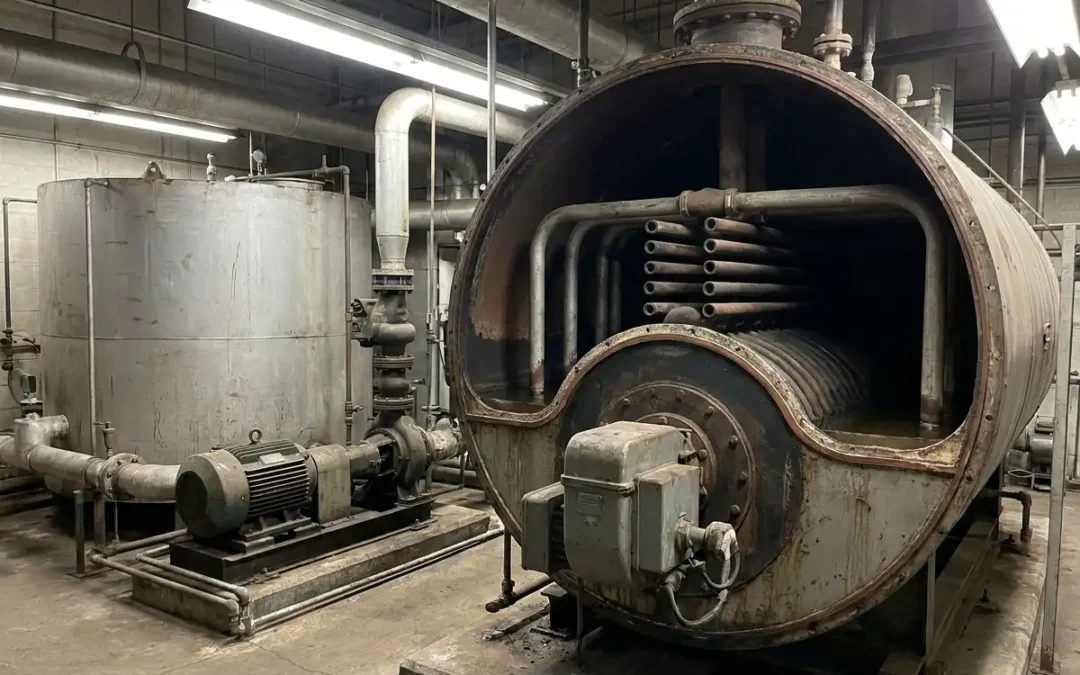
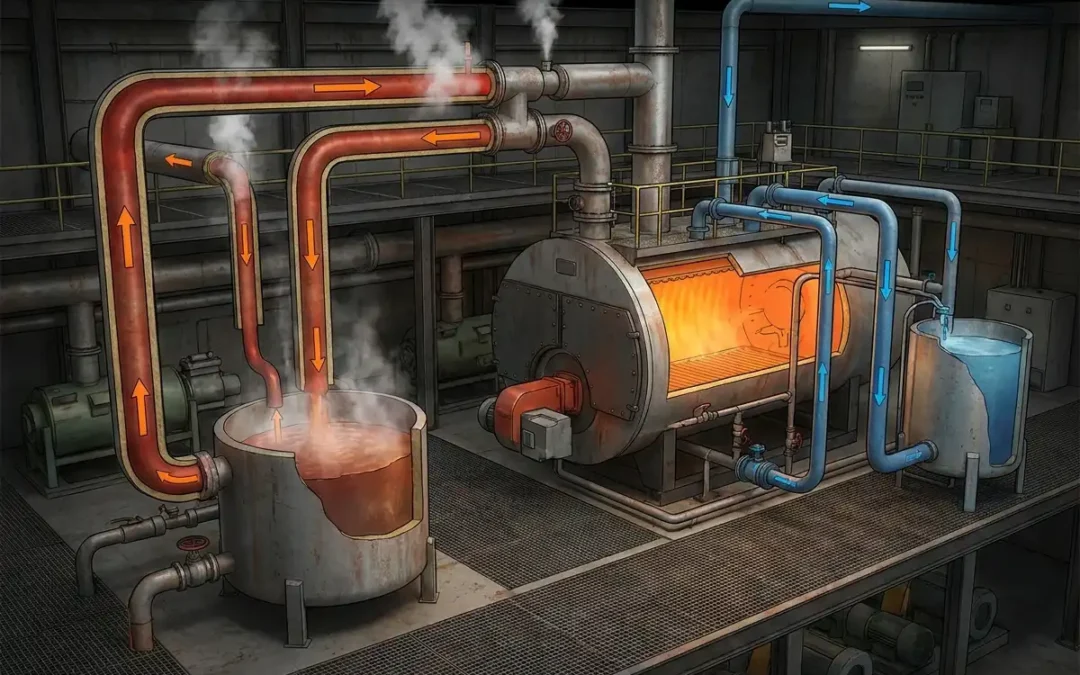
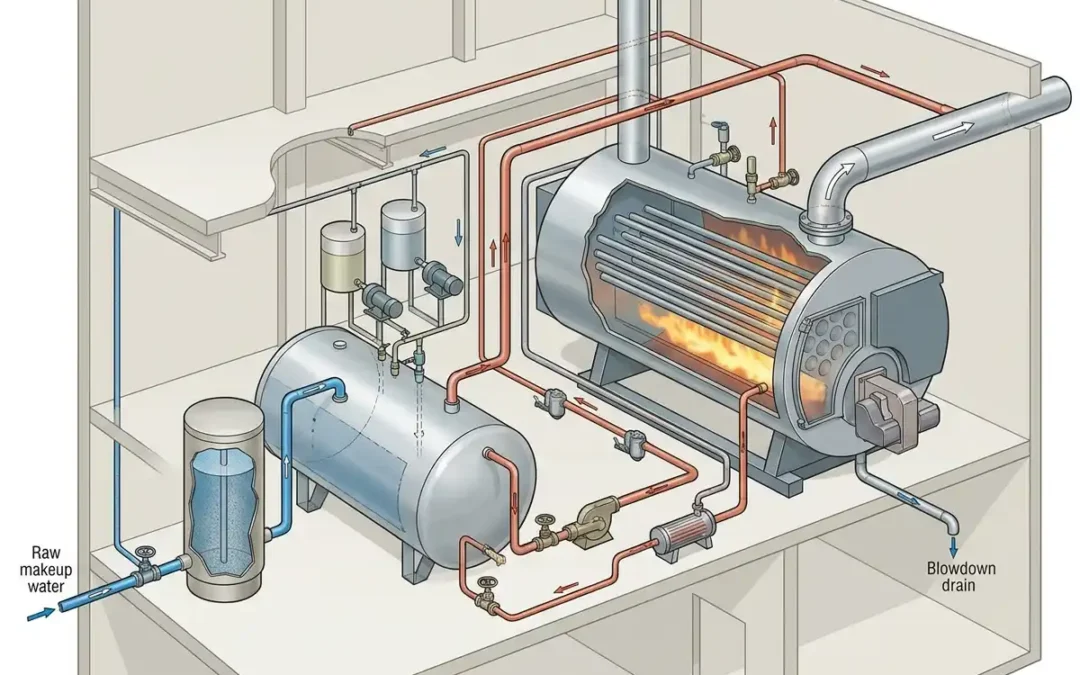
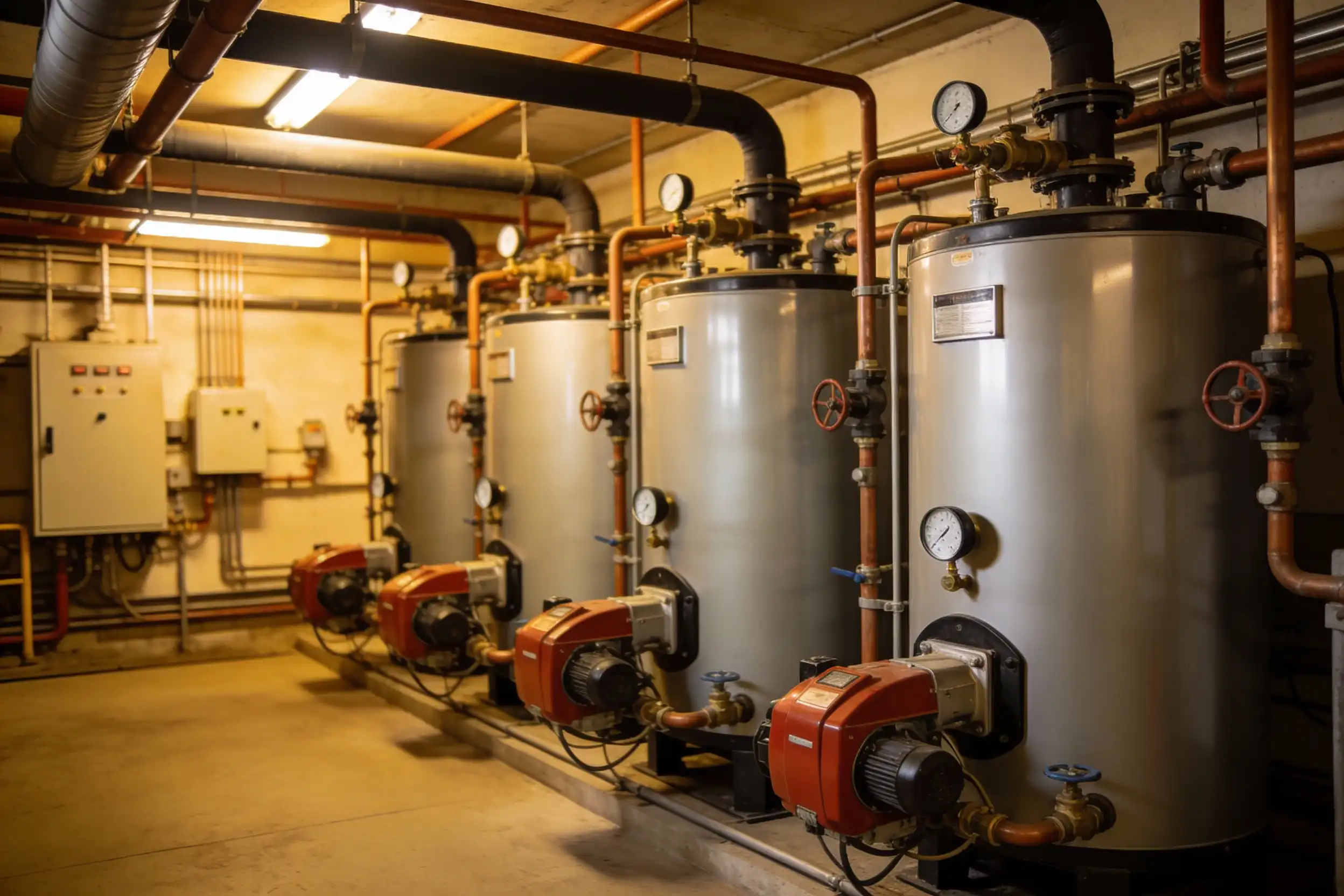
For many commercial and industrial facilities, the boiler plant serves as the backbone of winter operations. Boiler failures during freezing weather can quickly create safety concerns and operational disruptions.
Pre-season boiler service should include:
- Inspecting burners, flame sensors, and ignition components
- Testing safety controls and lockout systems
- Checking expansion tanks and hydronic pressures
- Reviewing water treatment and system chemistry
- Inspecting pumps, valves, and control sequences
- Verifying proper combustion and burner performance
- Inspecting venting systems and flue components
Even minor boiler issues can become major problems once heating demand increases.
If your boiler has experienced recurring issues, read our guide on building a reliable commercial HVAC infrastructure to understand how heating equipment, controls, and distribution systems should work together.
3. Inspect Rooftop Units and Gas Heating Equipment
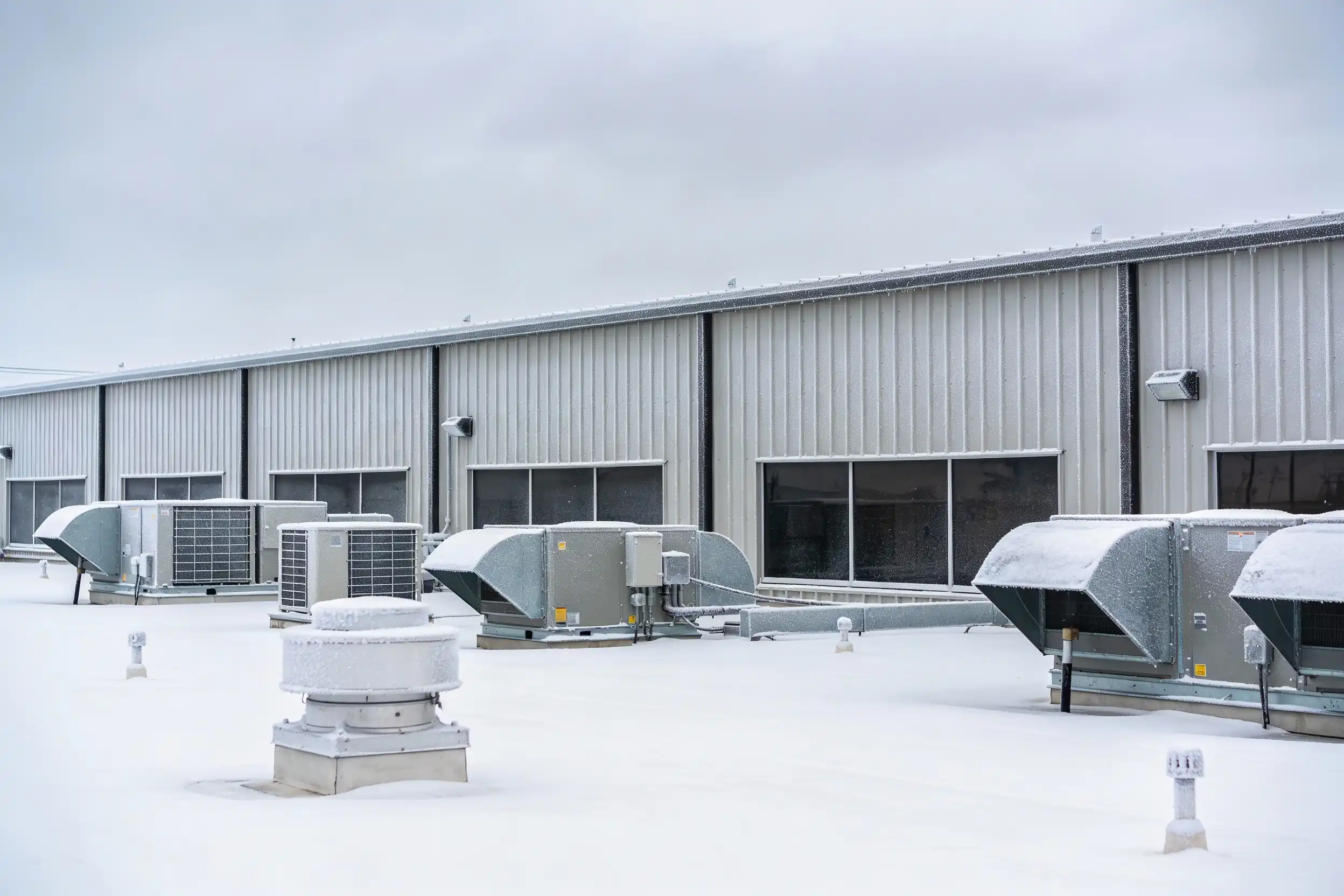
Many Indiana commercial buildings rely on rooftop units for heating and cooling. These systems face constant exposure to wind, ice, snow, and freezing temperatures.
Before winter arrives, inspect:
- Heat exchangers for cracks or corrosion
- Gas burners and ignition systems
- Blower motors and belt assemblies
- Outdoor air dampers and economizers
- Vent piping and exhaust systems
- Filter condition and airflow restrictions
- Control sequences and safety devices
A malfunctioning economizer or outdoor air damper can introduce large amounts of cold air into the building, dramatically increasing heating costs and comfort complaints.
If rooftop units serve your facility, review our article on how to prepare your rooftop HVAC units for additional maintenance recommendations.
4. Inspect Piping Systems and Freeze Protection Measures
Frozen piping remains one of the most expensive winter emergencies commercial facilities face. A burst pipe can cause extensive water damage, disrupt operations, and require costly repairs.
Freeze protection inspections should include:
- Checking exposed piping in mechanical rooms and unconditioned spaces
- Inspecting insulation for damage or deterioration
- Testing freeze stats and low-temperature alarms
- Verifying glycol concentration where applicable
- Inspecting heat tracing systems
- Reviewing piping near loading docks and exterior walls
- Checking roof drains and condensate piping
Commercial Freeze Protection Checklist
| Item | Action Required |
|---|---|
| Hydronic Systems | Verify pressure and glycol protection levels |
| Heat Trace Systems | Inspect and test operation |
| Pipe Insulation | Repair damaged or missing insulation |
| Low Temperature Alarms | Verify functionality and notification procedures |
| Generator Systems | Test backup power for critical equipment |
| Roof Equipment | Inspect snow and ice exposure risks |
Seeing signs of piping issues already? Our commercial piping and plumbing services can help correct problems before winter weather exposes them.
5. Review Controls, BAS Programming, and Winter Setpoints
Controls play a major role in winter performance. Many comfort complaints stem from programming issues rather than equipment failures.
Heating season control reviews should include:
- Updating occupied and unoccupied schedules
- Verifying heating setpoints throughout the facility
- Checking sensor calibration
- Testing freeze-protection sequences
- Reviewing alarm escalation procedures
- Verifying optimum start and setback programming
- Evaluating economizer and ventilation settings
Proper BAS programming helps facilities maintain comfort while reducing unnecessary energy consumption.
Looking to reduce heating costs? Read our guide on smart commercial HVAC control strategies for additional ideas.
6. Heating Season Priorities by Facility Type
Office Buildings
- Optimize morning warm-up schedules
- Address perimeter heating concerns
- Verify VAV terminal reheat operation
- Monitor occupant comfort trends
Warehouses and Distribution Centers
- Inspect dock door seals
- Verify operation of unit heaters
- Evaluate temperature-sensitive inventory areas
- Review destratification fan operation
Additional resources:
- Warehouse HVAC Maintenance Checklist
- How to Control Temperature Fluctuations in Large Warehouses
- Why HVAC Downtime Is a Risk in Warehouses and Distribution Centers
Healthcare Facilities
- Verify humidity control systems
- Maintain proper pressurization relationships
- Confirm emergency power support
- Test critical environmental controls
Manufacturing Facilities
- Evaluate process heating systems
- Control infiltration around production areas
- Inspect high-bay heating equipment
- Review equipment protection measures
7. Improve Energy Efficiency Before Utility Costs Peak
Winter preparation is not only about preventing failures. It is also an opportunity to improve efficiency and reduce utility costs.
| Preparation Task | Potential Benefit |
|---|---|
| Boiler Tune-Up | Improved fuel efficiency and reliability |
| Filter Replacement | Better airflow and reduced equipment strain |
| BAS Optimization | Reduced operating costs |
| Pipe Insulation Repairs | Reduced heat loss |
| Freeze Protection Review | Avoidance of costly winter damage |
| Building Envelope Improvements | Reduced infiltration and heating demand |
Many facilities discover that winter preparation pays for itself through improved efficiency and reduced emergency service costs.
8. Verify Emergency Response Plans Before Winter Arrives
No matter how well a facility prepares, emergencies can still occur. The difference is that prepared facilities know exactly how to respond.
- Verify emergency HVAC contacts
- Review access procedures for service providers
- Document equipment locations and shutdown procedures
- Test backup generators
- Review communication plans for building occupants
- Confirm emergency inventory of critical parts
Need help developing a response strategy? Review What to Include in a Commercial HVAC Emergency Response Plan and Why Every Facility Needs a 24/7 Commercial HVAC Emergency Partner.
Frequently Asked Questions
When should commercial heating season preparation begin in Indiana?
Most facilities should begin planning in late summer and complete major inspections and maintenance by October.
Can heating season preparation reduce energy costs?
Yes. Properly maintained boilers, rooftop units, controls, and airflow systems often operate more efficiently during peak heating months.
What is the biggest winter HVAC risk for commercial facilities?
Common risks include boiler failures, rooftop unit heating failures, frozen piping, control issues, and building infiltration problems.
Should heating season inspections be included in a maintenance agreement?
Absolutely. Maintenance agreements provide a structured approach that helps facilities stay ahead of seasonal issues rather than reacting to emergencies.
Commercial Heating Season Preparation Services in Indianapolis and Central Indiana
Commercial buildings throughout Indianapolis, Carmel, Fishers, Greenwood, Plainfield, Brownsburg, Avon, Noblesville, and the surrounding Central Indiana region face unique winter HVAC challenges. From office buildings and warehouses to manufacturing facilities and healthcare environments, preparing early helps reduce risk and improve reliability.
Choice Mechanical Services provides commercial HVAC-R service, boiler service, piping and plumbing support, maintenance agreements, emergency service, and mechanical system expertise for facilities across Central Indiana.
Contact us today to schedule a pre-season heating review and prepare your building for the coldest months of the year.