Why Every Facility Needs a 24/7 Commercial HVAC Emergency Partner
When a commercial HVAC system fails, every minute matters. Whether it is a frozen coil during an Indiana winter, a chiller outage in summer heat, or a control failure that quietly pushes a building out of spec, the damage starts fast. Lost comfort turns into lost productivity. Small mechanical problems become larger operational events. In some facilities, the repair bill is not even the biggest cost. The bigger hit comes from downtime, lost revenue, compliance exposure, and disruption to the people inside the building.
That is why having a trusted 24/7 commercial HVAC emergency partner is not a luxury. It is a core part of facility risk management.
Choice Mechanical Services provides 24/7/365 emergency HVAC support across Indianapolis and Central Indiana, helping commercial facilities respond faster, reduce downtime, and protect operations when critical systems fail.
1. Equipment Failures Do Not Happen on a Schedule
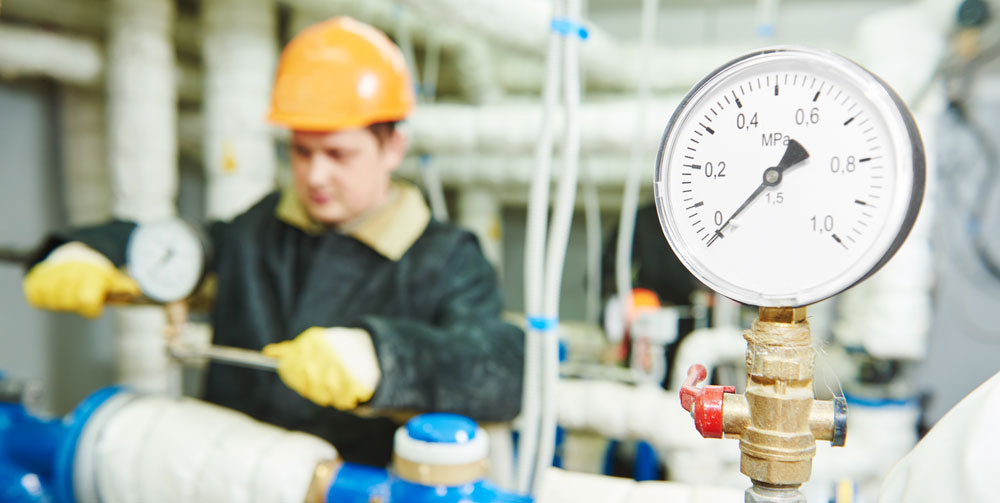
Commercial HVAC failures rarely show up at convenient times. Boilers do not wait for Monday morning. Rooftop units often fail during the hottest or coldest stretch of the season. Controls drift at night, on weekends, or when no one is actively watching the system. That timing is exactly what makes HVAC downtime so expensive.
- Frozen coils, burst pipes, or heating loss can escalate quickly in cold weather
- Cooling failures during summer can shut down work areas, tenant spaces, and customer-facing operations
- Control and sensor issues can push a building out of acceptable conditions without an obvious hard shutdown
- After-hours failures often mean longer delays if no emergency partner is already in place
This risk is especially high in restaurants, healthcare environments, warehouses, labs, and buildings with temperature-sensitive processes. If you want to see how hard an HVAC failure can hit a food-service operation, read our article on why HVAC breakdowns are a restaurant’s worst-case scenario.
2. Downtime Costs More Than Most Buildings Realize
When HVAC goes down, the repair invoice is often only part of the story. The larger cost usually comes from what the outage does to the building while the system is down. Productivity drops. Tenants complain. Customers leave. Critical spaces go out of compliance. In higher-risk environments, a few hours of failure can lead to losses that far exceed the mechanical repair itself.
- Office and commercial buildings lose productivity when spaces become too hot, too cold, or poorly ventilated
- Retail and restaurant spaces risk immediate revenue loss and guest dissatisfaction
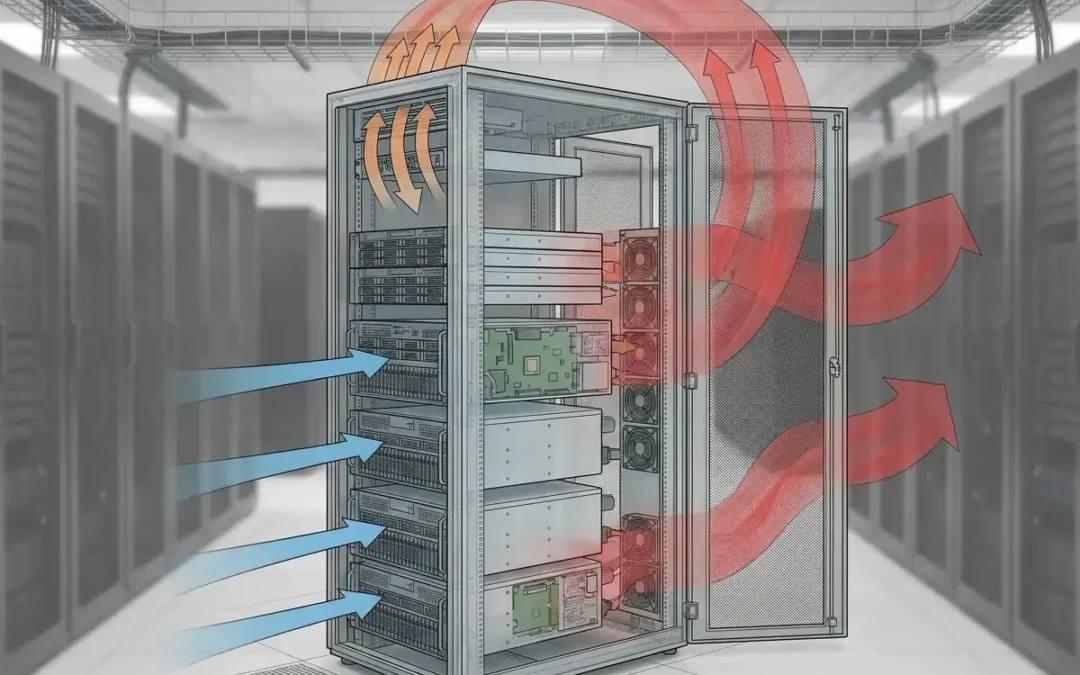
- Healthcare, laboratory, and data-sensitive environments may face operational or regulatory consequences
- Repeated downtime erodes tenant confidence and can damage lease relationships
One of the clearest reasons to partner with a 24/7 emergency provider is simple: faster response usually means smaller losses. The longer the building stays out of condition, the more expensive the event becomes.
See how our emergency HVAC service helps reduce operational downtime across Central Indiana.
3. HVAC Emergencies Can Become Safety and Compliance Problems
In some facilities, an HVAC problem is not just a comfort issue. It can quickly become a health, safety, or compliance issue. Extreme indoor temperatures, poor air circulation, failed ventilation, and humidity drift can all create conditions that affect employees, customers, or critical operations.
- Hot, poorly ventilated spaces can create serious worker safety concerns
- Healthcare and lab environments may face stricter environmental expectations
- Restaurants and food operations can run into food safety and code issues when HVAC or support systems fail
- Moisture, humidity, and stagnant air can create indoor air quality risks if left unresolved
This is one reason every facility should know what qualifies as an emergency before it happens. If the building cannot safely maintain heating, cooling, ventilation, or air quality, the issue is already bigger than a normal service call.
4. Commercial Emergencies Require Commercial Expertise
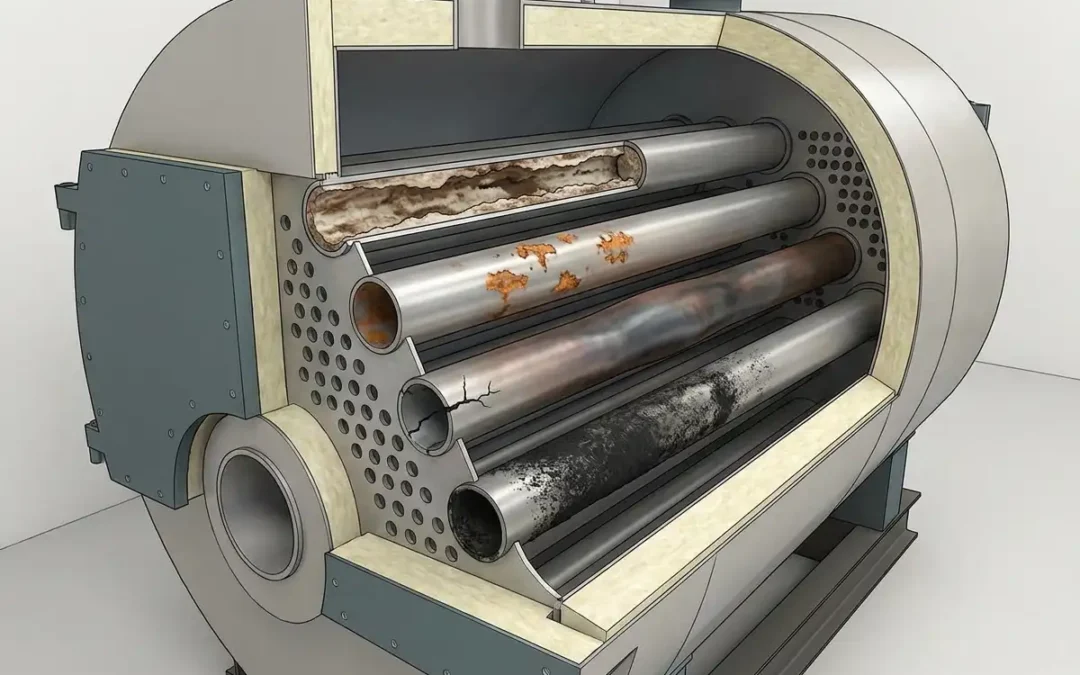
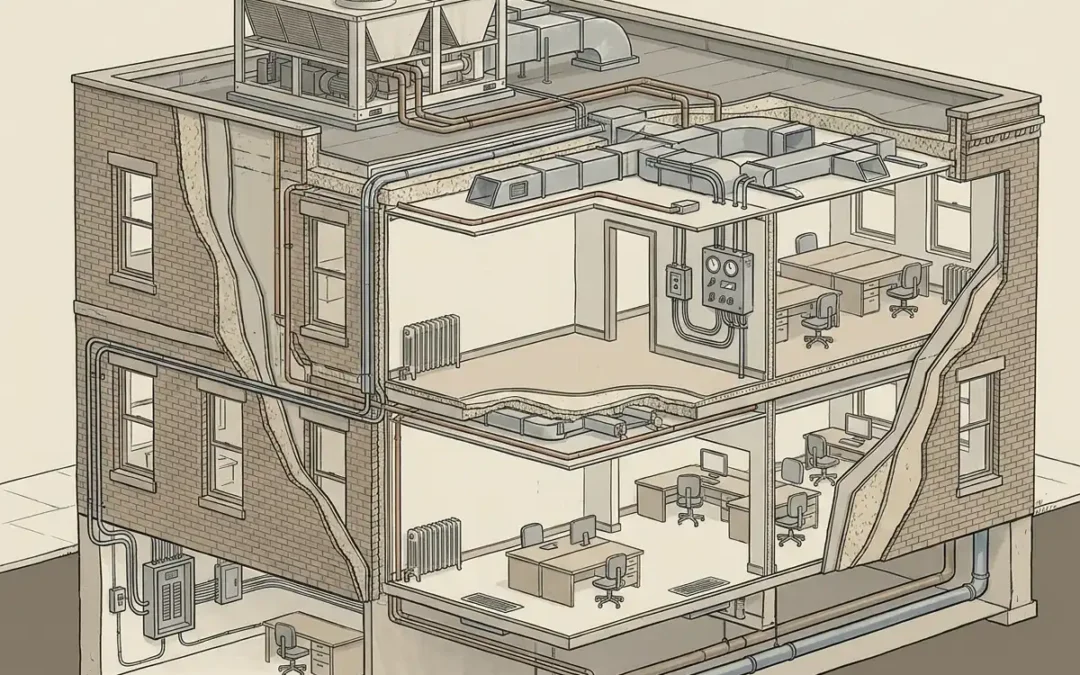
Emergency coverage only matters if the responding team can actually solve the problem. Commercial HVAC emergencies often involve more than a simple part replacement. They can involve boilers, chillers, rooftop units, building controls, refrigeration systems, and integrated mechanical infrastructure. That is not work for a generalist who is used to light residential service.
- Commercial emergencies demand technicians who understand larger equipment and more complex systems
- Fully stocked trucks and strong parts access help reduce repeat visits
- Controls, sensors, and automation need to be diagnosed alongside the mechanical issue
- Experienced commercial techs are better equipped to stabilize the building while permanent repairs are made
At Choice Mechanical, we work on commercial systems every day. That means our response is built around the realities of commercial buildings, not a stripped-down after-hours service model.
Trust the team that understands commercial infrastructure, not just HVAC equipment in isolation.
5. Response Time and Escalation Should Never Be Vague
One of the best questions a facility manager can ask is not just “Do you offer emergency service?” It is “What does emergency response actually mean?” A real 24/7 HVAC partner should be able to explain how response works, who gets dispatched, how problems are escalated, and what happens if the first technician does not resolve the issue quickly.
- Clear expectations should exist for after-hours, weekend, and holiday response
- The facility should know who the main point of contact is during an emergency
- Escalation paths should be defined if the first call does not restore operation
- Communication should stay active until the facility is stabilized
This is one of the differences between a real emergency partner and a vendor who simply “takes calls after hours.” Buildings need clarity, not guesswork, when something fails under pressure.
Let’s talk through what a real emergency response plan should look like for your property.
6. 24/7 Coverage Strengthens Your Maintenance Strategy
Preventative maintenance is still the first line of defense, but it is not a guarantee that emergencies will never happen. A strong 24/7 emergency partner complements your maintenance program by making sure the building is protected when something unexpected still slips through.
- Maintenance reduces the chance of failure, but emergency coverage reduces the damage when failure still happens
- Documented emergency response creates a clearer service history for future planning
- Recurring issues found during emergency work can feed back into long-term maintenance decisions
- Facilities with both planned service and emergency response are generally in a much stronger position than those relying on one or the other
That is why emergency service should not be treated as separate from the rest of your HVAC plan. It should be part of the full strategy. If you have not reviewed the operational cost of neglecting the planned side of that strategy, read The Cost of Skipping Maintenance on Commercial HVAC Systems.
7. Proactive Emergency Planning Cuts Response Time
HVAC emergencies become less disruptive when your service partner already knows your facility. If your equipment list, system history, access details, and critical spaces are already documented, the response is faster and more effective. That is especially important when the problem hits during off-hours and every minute matters.
- Site-specific planning reduces the time lost to unfamiliarity
- Equipment history makes troubleshooting faster and more accurate
- Critical zones can be prioritized correctly from the start
- Communication is smoother when expectations are already established
Planning before the emergency is what separates a fast, organized response from a chaotic one. It also gives facility managers more confidence that a late-night failure will not turn into a next-day disaster.
Frequently Asked Questions
What qualifies as a commercial HVAC emergency?
Any issue that disrupts heating, cooling, or ventilation in a way that affects business operations, safety, compliance, product quality, or occupant comfort, especially after hours, should be treated as an emergency.
Do you offer emergency service outside normal business hours?
Yes. We provide 24/7/365 emergency HVAC support for commercial clients throughout Indianapolis and Central Indiana.
Can new clients call during an emergency?
Yes. While ongoing partners benefit from pre-planning and faster familiarity with the site, we also take emergency calls from new commercial clients who need urgent help.
What types of commercial systems do you repair?
We service boilers, chillers, rooftop units, air handlers, refrigeration systems, ventilation equipment, and control systems for commercial and industrial facilities.
HVAC Emergencies Are a Risk Management Issue, Not Just a Repair Issue
HVAC downtime does not wait for business hours, and the real cost of an outage is often much bigger than the repair itself. Productivity, comfort, compliance, and revenue can all take a hit while the building sits out of condition. That is why every facility needs a true 24/7 commercial HVAC emergency partner, not just a number to call after hours.
At Choice Mechanical Services, we provide emergency HVAC support that is fast, commercial-focused, and built around the real operating demands of facilities in Indianapolis and Central Indiana.
Contact us today to set up your facility’s emergency response plan and make sure your building is protected before the next breakdown happens.