How to Build a Reliable HVAC Infrastructure for Your Commercial Facility
Whether you manage a manufacturing plant, a multi-tenant office building, a warehouse, or an institutional facility, your HVAC system does far more than keep people comfortable. It supports uptime, indoor air quality, energy performance, and day-to-day operational stability. A reliable HVAC infrastructure is not just a collection of equipment. It is a connected system of design decisions, controls, piping, maintenance practices, documentation, and partnerships that all have to work together. Choice Mechanical Services helps commercial clients across Indianapolis and Central Indiana build that kind of reliability into their facilities from the ground up.
1. Design for Resilience, Not Just Capacity
Reliable HVAC infrastructure starts with design. Many long-term performance problems are built into a system before the first piece of equipment is even installed. Oversized units short cycle. Single points of failure create unnecessary risk. Poor zoning forces one part of the building to suffer because another part needs more capacity. Good design is not just about whether the system can carry the load on paper. It is about how the building will keep operating when conditions change or a component fails.
- Use real load calculations instead of broad square-foot rules of thumb
- Plan zones around how the building is actually used, not just how it is laid out
- Identify critical areas where redundancy or graceful degradation matters
- Reduce single points of failure in spaces where downtime would hit operations hard
For some facilities, that may mean N+1 thinking. For others, it may mean designing the system so one failure affects only one zone instead of half the building. Either way, resilience should be part of the conversation early. Our commercial HVAC-R services team helps clients plan systems that are built around real operating conditions, not just nameplate capacity. Talk to our team about designing a system that stays dependable when your building is under pressure.
2. Choose Equipment That Fits the Building and the Risk Profile
A reliable system depends on choosing the right equipment for the building, the load profile, and the business risk behind it. The best equipment package for an office building is not always the right answer for a warehouse, a medical facility, or a production environment. Reliability improves when equipment selection is tied to how the building actually operates, what conditions it needs to maintain, and how much disruption a failure would cause.
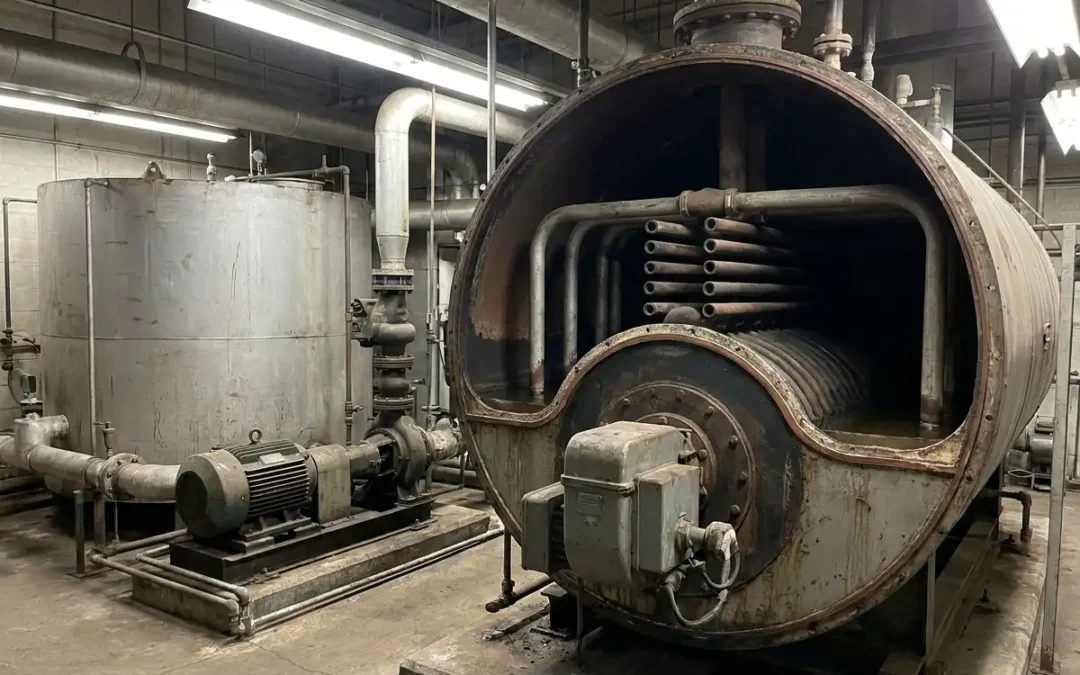
- Boilers: Ideal for hydronic heating, process loads, and facilities that need dependable central heat. Our boiler repair and installation team supports both new builds and replacement projects.
- Chillers: A strong fit for larger commercial, industrial, and institutional facilities. We provide chiller solutions for both air-cooled and water-cooled applications.
- RTUs: Packaged rooftop units remain a practical solution for many retail, office, and mixed-use buildings when they are properly sized and maintained.
- VRF/VRV: Useful in buildings where zone-level control and flexibility are a bigger priority.
The real question is not “what equipment is popular?” It is “what gives this building the best mix of reliability, serviceability, and long-term operating value?” That may include redundancy in critical spaces, modular equipment where phased replacement matters, or systems that can be isolated for service without shutting down the whole building. If you are planning a new system or replacement cycle, let’s talk through what equipment makes sense for your facility and not just the brochure.
3. Build Strong Mechanical Infrastructure Behind the Equipment
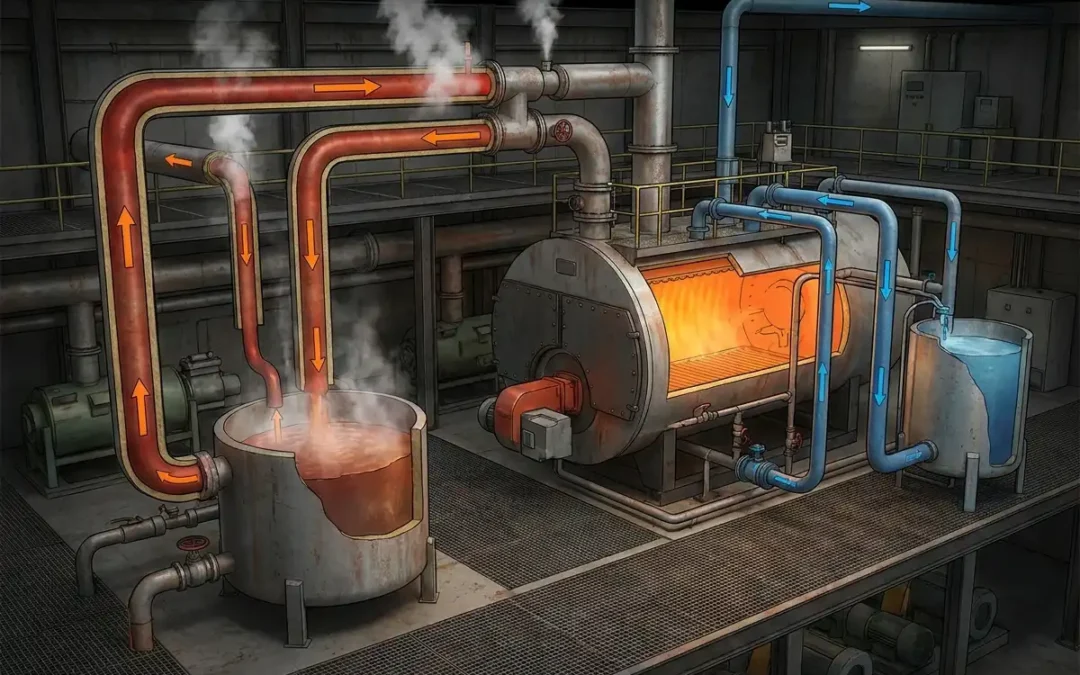
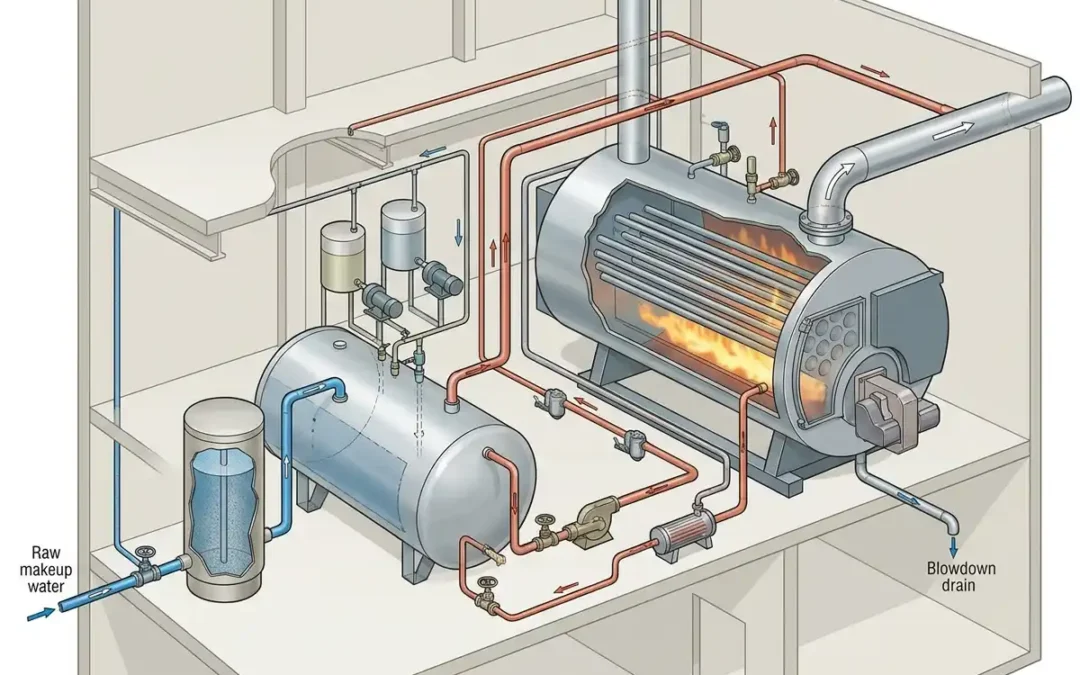
Even the best HVAC equipment will struggle if the mechanical infrastructure around it is weak. Piping, valves, support systems, and distribution loops all affect whether a building can be serviced, expanded, or kept online when a problem shows up. Reliable infrastructure is designed so maintenance and repairs can happen without turning a small issue into a major outage.
- Use piping layouts that support serviceability and future expansion
- Install isolation valves so one repair does not force a full system shutdown
- Select materials based on pressure, temperature, and operating conditions
- Design retrofits to minimize disruption to occupied or active spaces
Isolation and modularity matter more than most owners realize. A small leak or failed gasket should not require draining an entire loop if the system was designed intelligently in the first place. That is why our piping and plumbing division focuses on more than basic installation. We help clients build mechanical systems that are durable, code-compliant, and easier to manage over time. Need custom piping or infrastructure improvements? We can help you build it the right way the first time.
4. Put a Real Controls Backbone in Place
Reliable equipment still needs a smart controls backbone. A modern HVAC system without strong controls is like a truck with a weak steering system. It may move, but not with much precision. Building automation and well-planned controls help your system respond to occupancy, changing loads, ventilation needs, and energy costs without constant manual intervention.
- Use BAS or BMS platforms for centralized visibility and scheduling
- Set up alarm hierarchies so urgent issues get the right attention fast
- Trend key data points like temperatures, pressures, and runtime
- Build control logic around how the building is actually used, not just default factory settings
Good controls do more than save energy. They help you see small issues before they become failures. They also reduce hidden waste caused by bad schedules, failed sensors, or overrides that were never reset. If you are trying to connect energy performance with reliability, our article on How to Reduce Utility Costs with a Smart Commercial HVAC Control Strategy is a good next read. Ask us how better controls can improve both reliability and operating cost in your building.
5. Treat Preventative Maintenance Like a System, Not a Calendar Reminder
Reliable HVAC infrastructure does not stay reliable on its own. It has to be maintained with discipline. Too many facilities rely on maintenance plans that are little more than recurring reminders. True reliability comes from task-based maintenance, documented follow-through, and condition-based review where it matters.
- Build a living asset list with equipment IDs, age, specs, and service history
- Move beyond vague work orders like “inspect unit” and define actual tasks
- Use condition-based checks where practical, such as vibration, oil analysis, or thermography
- Track repeat failures and unresolved findings instead of starting over every visit
A maintenance program should help you see patterns, not just complete tickets. It should tell you which units are stabilizing, which are drifting, and which are becoming replacement candidates. Our commercial maintenance agreements are designed around that kind of long-term visibility. If you want a reminder of what deferred service really costs, read this guide to the hidden cost of skipping HVAC maintenance. Let’s build a maintenance program that gives you useful data, not just more paperwork.
6. Commission New Systems and Recommission Older Ones
Even a well-designed system can drift if it is not commissioned properly or revisited after years of changes. A common failure mode in commercial buildings is a system that once operated as intended but no longer does because of overrides, sensor drift, tenant changes, outdated schedules, or undocumented modifications.
- Commission new systems to verify they actually perform as designed
- Retro-commission existing buildings to catch drift in controls and operation
- Test equipment under real operating sequences, not just at startup
- Use recommissioning to improve comfort, reduce waste, and restore design intent
Retro-commissioning can be especially valuable in multi-tenant office buildings, facilities with changing occupancy, and sites where comfort complaints never seem to fully go away. It often uncovers issues that standard maintenance does not catch. If your building feels like it has drifted over time, we can help you bring the system back in line.
7. Keep Documentation, Training, and Capital Planning Current
A reliable HVAC infrastructure is not just mechanical. It is also organizational. The people who operate and support the building need accurate records, clear procedures, and a long-range plan. When documentation goes stale or training gets skipped, buildings lose reliability without anyone noticing right away.
- Maintain current record drawings and operating sequences in plain language
- Keep service history, photos, and warranty data organized and accessible
- Train in-house staff on what alarms mean and how to respond safely
- Build a 5-, 10-, and 15-year capital plan tied to actual equipment condition
Too many facilities wait until a major asset fails before talking about replacement. A better strategy is to use asset condition data to plan ahead, smooth capital spending, and avoid being forced into bad timing. That same information also helps ownership understand where reliability investments actually matter. If you want a clearer long-term roadmap for your HVAC systems, we can help you build one around real asset data and operational priorities.
8. Support the Infrastructure With the Right Service Partnership
No HVAC infrastructure stays reliable without the right people behind it. The strongest facilities treat their HVAC contractor as part of the reliability ecosystem, not just someone to call when a unit stops working. That means shared goals, regular performance reviews, and an honest conversation about what the building needs next.
- Review uptime, repeat failures, open recommendations, and energy performance regularly
- Use contractor insight to guide maintenance priorities and replacement timing
- Make sure emergency support is built into the overall strategy
- Choose a team that understands both immediate repairs and long-range planning
That is also where 24/7 response becomes part of the infrastructure story. Good planning reduces emergencies, but it does not eliminate them. When something critical fails, you still need a contractor who can respond quickly and work from a position of familiarity with the site. If that is a gap for your facility today, our emergency HVAC services are available across Central Indiana. Add us to your response plan and let’s make sure your infrastructure is supported at every level.
Frequently Asked Questions
What makes commercial HVAC infrastructure reliable?
Reliability comes from a combination of good design, properly selected equipment, strong controls, maintainable piping and distribution, disciplined maintenance, accurate documentation, and a contractor relationship that supports long-term performance.
What is the difference between capacity and resilience?
Capacity is whether the system can carry the load under normal conditions. Resilience is whether the building can keep functioning when something changes or fails. A reliable infrastructure plan accounts for both.
How often should a commercial HVAC system be serviced?
Twice a year is the minimum for many facilities, before cooling and heating season. Higher-demand, critical, or more complex buildings often benefit from quarterly maintenance and more detailed condition tracking.
Can older buildings be upgraded into a more reliable HVAC system?
Yes. Older buildings often benefit from retrofit work that improves controls, piping, zoning, and equipment performance. In many cases, retro-commissioning and targeted upgrades can make a major difference without requiring a full system replacement all at once.
Do you provide full design-build HVAC support?
Yes. Choice Mechanical works with facility managers, ownership groups, and contractors on design-build projects, system retrofits, piping, controls, maintenance planning, and emergency support throughout Indianapolis and Central Indiana.
Partner with Commercial HVAC Experts in Indiana
Building a reliable HVAC infrastructure is not about choosing random components and hoping they work together. It is about creating a system that is resilient, maintainable, efficient, and supported by the right processes and people. At Choice Mechanical Services, we help commercial clients across Indianapolis and Central Indiana design, install, service, and strengthen HVAC systems that are built to perform for the long haul.
Let’s build a smarter, more reliable HVAC system together. Contact us today.