Warehouse HVAC Maintenance Checklist
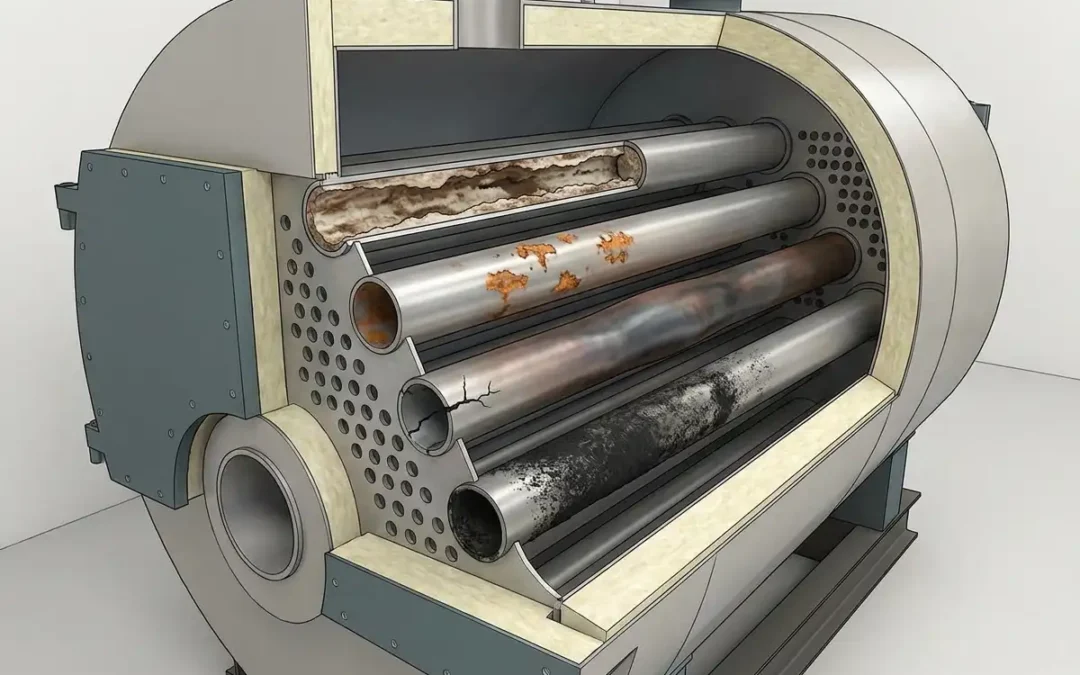
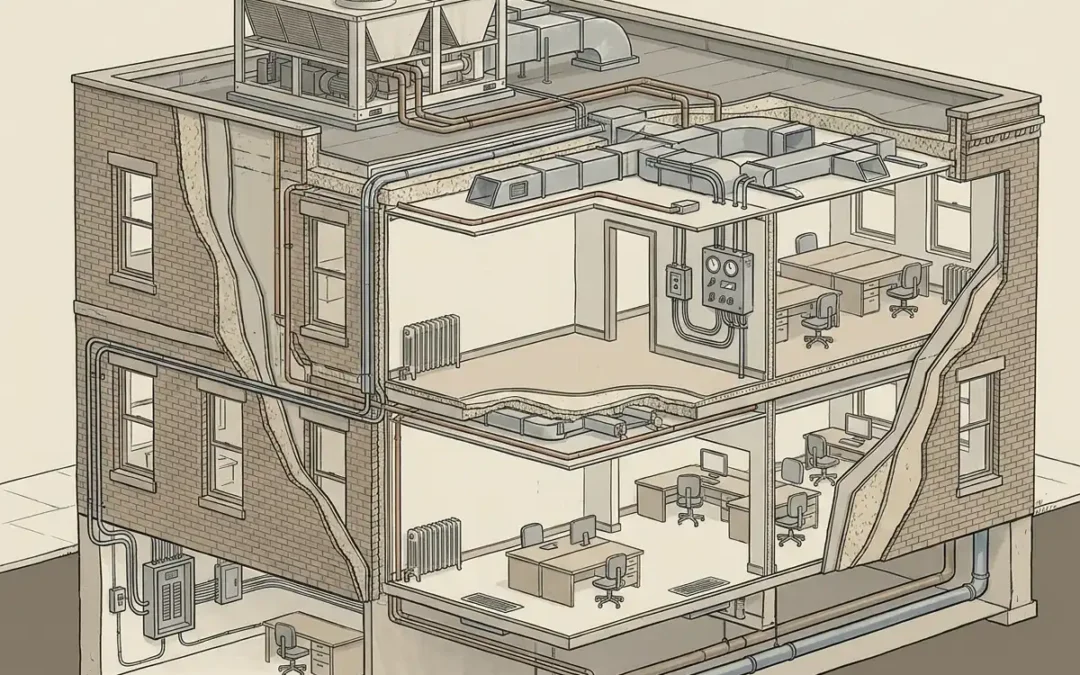
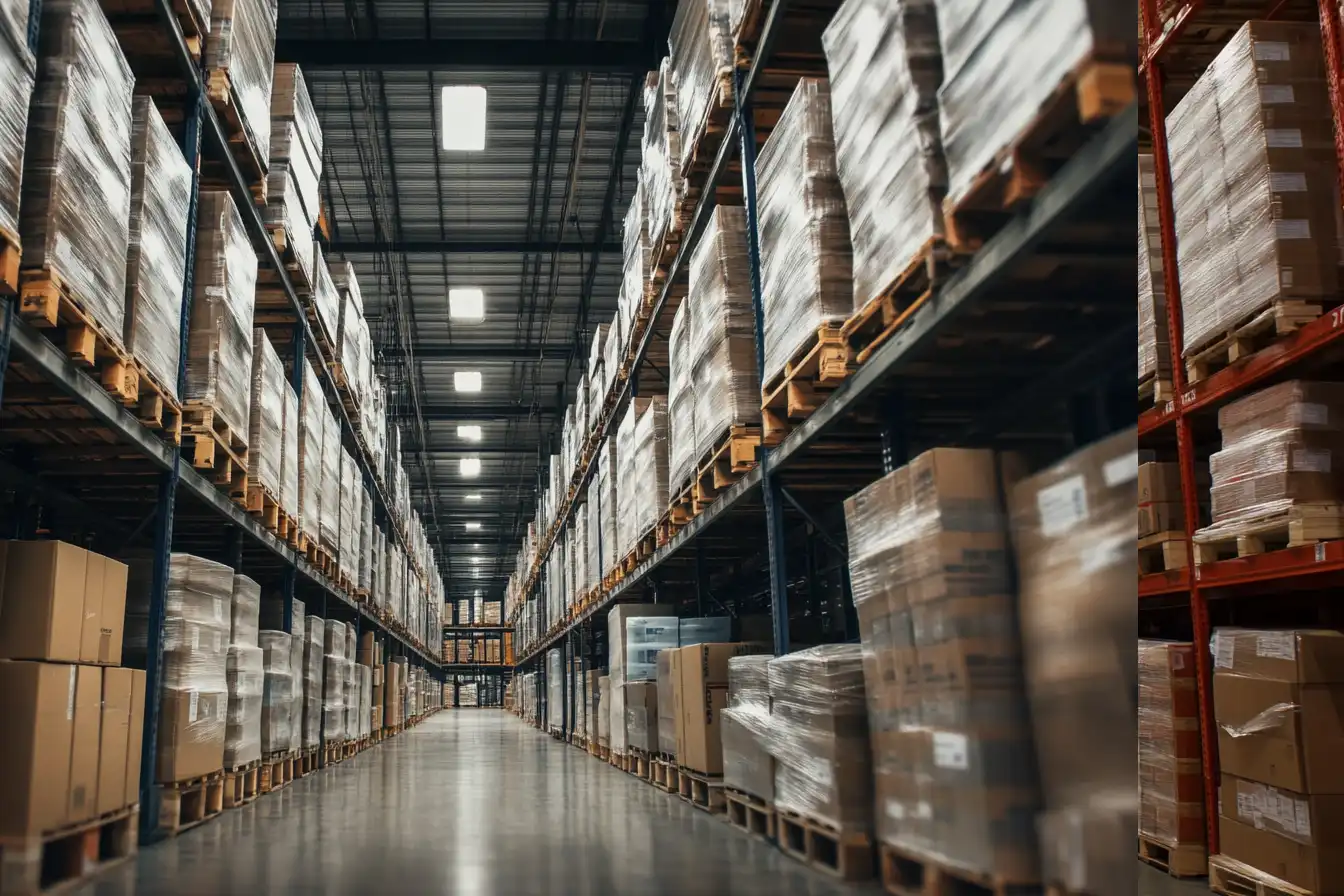
Warehouses and distribution centers rely on HVAC systems for far more than comfort. In these facilities, climate control affects worker productivity, product protection, ventilation, equipment performance, and in some cases compliance. Large open floor plans, high ceilings, constant dock activity, and heavy dust loads make warehouse HVAC harder to maintain than a standard office system. That is why a real warehouse HVAC maintenance checklist needs to be practical, consistent, and built around how warehouse buildings actually operate.
Use this checklist to keep your systems efficient, your team comfortable, and your risk of emergency downtime lower throughout the year. Need help building a custom maintenance strategy? Explore Choice Mechanical’s tailored Maintenance Agreements designed for warehouses across Indianapolis and Central Indiana.
1. Daily Warehouse HVAC Checks
Warehouses benefit from quick daily checks because airflow and temperature problems often start with things that are easy to miss. Blocked diffusers, dock doors left open, tampered thermostats, or circulation fans running the wrong way can all chip away at comfort and efficiency before anyone realizes what is happening.
- Walk major zones including shipping, storage, pick and pack, and office areas to confirm temperatures feel consistent with the current setpoint
- Listen for unusual noise, vibration, rattling, or banging from rooftop units, unit heaters, circulation fans, or dock heating and cooling equipment
- Verify programmable thermostats are following the correct occupied and unoccupied schedule
- Inspect dock seals, dock shelter curtains, strip curtains, and frequently used doors for tears, gaps, or damage that allow unconditioned air into the building
- Check that pedestrian doors and overhead doors fully close and are not being left open unnecessarily
- Visually scan supply registers, returns, and fan intakes for pallets, boxes, or dust buildup blocking airflow
- Confirm destratification fans are rotating in the correct seasonal direction
These daily checks are especially valuable in high-traffic warehouses where dock activity and floor layout changes can affect airflow faster than expected. If your building already struggles with uneven temperatures, read how to control temperature fluctuations in large warehouse environments.
2. Weekly Filter, Drain, and Outdoor Unit Checks
Dust is one of the biggest maintenance challenges in a warehouse. Forklift traffic, cardboard, open bays, and general product movement load filters faster than many facility teams expect. Weekly checks help you establish a predictable service rhythm before airflow, efficiency, and equipment life start slipping.
- Inspect RTU, make-up air, and intake filters for visible loading and replace when needed
- Vacuum or clean washable pre-filters and metal mesh filters where applicable
- Check filter cabinets for bypass gaps that allow dust to move around the filter instead of through it
- Inspect condensate pans and drain lines for standing water, blockages, algae, or rust where cooling coils are present
- Clear debris such as cardboard, leaves, plastic wrap, and nesting material from around outdoor condensers and rooftop equipment
- Verify roof drains near RTUs remain clear so standing water does not collect around the units
- Inspect screens, guards, and hail protection panels for damage or obstructions
These are small tasks, but skipping them often leads to bigger problems like dirty coils, airflow restriction, nuisance shutdowns, and drain backups during peak summer demand. If you want a clearer picture of what happens when warehouse HVAC care falls behind, read why warehouse HVAC downtime is such a serious operational risk.
3. Monthly Mechanical and Airflow Tasks
Monthly inspections are where you get ahead of wear instead of reacting to it. Belts, motors, bearings, coils, and exhaust systems all need regular attention in a warehouse, especially if the building runs long hours or supports light industrial processes.
- Inspect accessible fan belts for cracks, fraying, glazing, and proper tension
- Check blower motors, exhaust fans, and roof ventilators for bearing noise, overheating, or excessive vibration
- Lubricate bearings and motor points where manufacturer guidance calls for it
- Perform light coil cleaning to remove dust, lint, and warehouse debris before buildup becomes severe
- Test general exhaust fans in restrooms, battery charging areas, and light industrial zones to confirm they are actually moving air
- Inspect dock heaters, air curtains, and infrared tube heaters for safe operation and obvious wear
Warehouse systems often keep running even while performance is slipping. Monthly checks help catch those quiet problems before they show up as comfort complaints, rising energy use, or emergency service calls.
4. Quarterly Deep Cleaning, Electrical, and Infiltration Checks
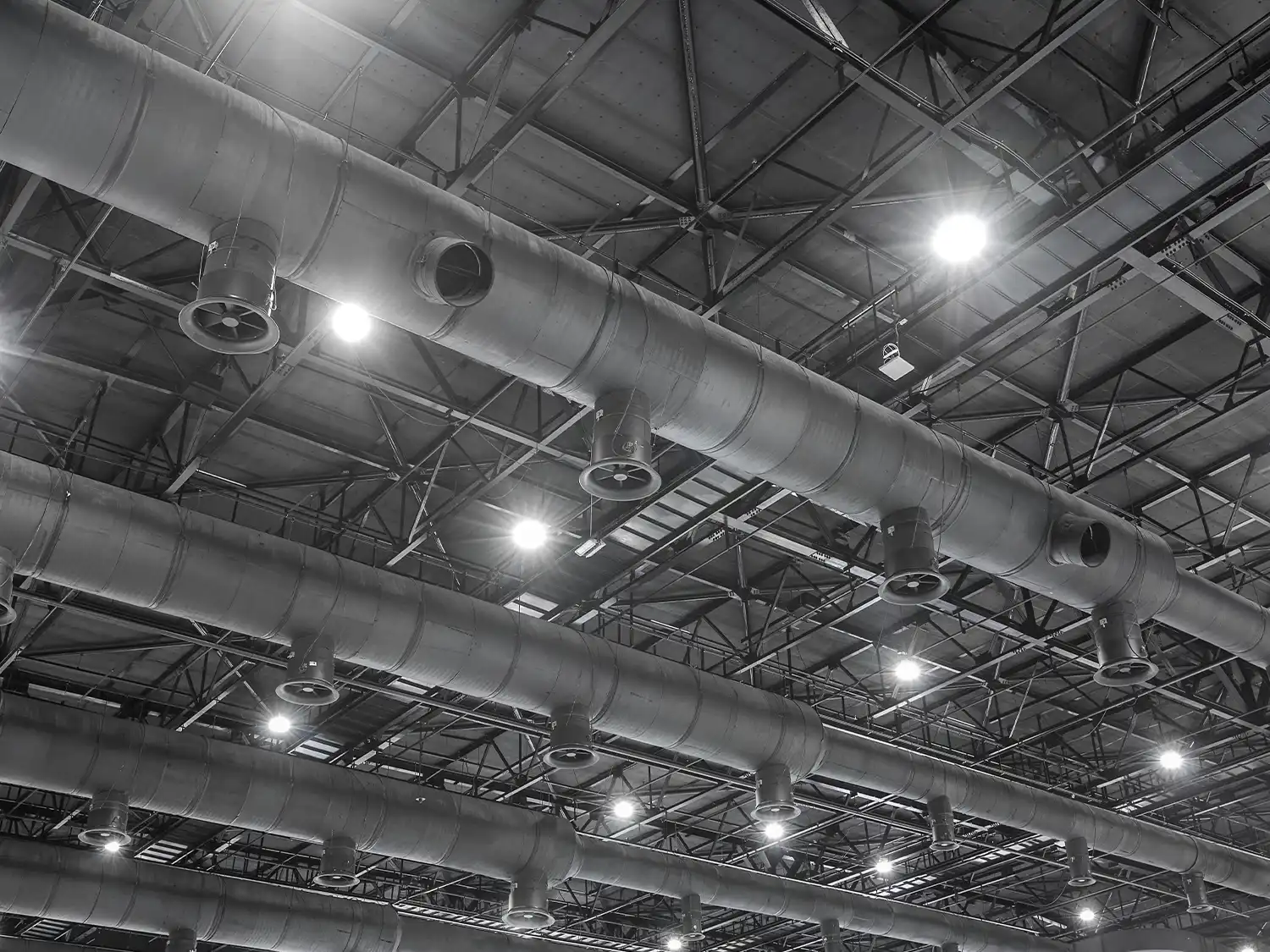
Quarterly service should be more detailed and performance-focused. This is the right time to review the items that directly affect efficiency, reliability, and building pressure across large warehouse environments.
- Chemically clean heavily soiled condenser coils and restore bent fins where needed
- Inspect evaporator cabinets for dirt, moisture, and microbial growth risk
- Tighten electrical connections and inspect contactors, relays, disconnects, and terminal points for heat damage or wear
- Inspect control wiring for rodent damage or loose connections
- Test building pressure at key doors and dock areas to look for excessive infiltration
- Check dock leveler seals, edge pads, and dock-side gaps that can pull in outside air
- Verify economizers and outdoor air dampers close fully when free cooling is not needed
- Test dedicated ventilation in battery charging, painting, or specialty process areas
This is also a good time to step back and look at how the warehouse is functioning as a whole. If the building feels drafty, hot near docks, or inconsistent from one side to the other, the issue may be infiltration, pressure imbalance, or control drift rather than a simple equipment failure.
5. Semiannual and Seasonal HVAC Service
Before cooling season and before heating season, warehouses should schedule a more complete professional HVAC service visit. Seasonal prep is one of the most effective ways to avoid emergency calls during Indiana’s hottest and coldest weather.
- Verify refrigerant charge and inspect for leaks
- Inspect heat exchangers and combustion components on gas-fired equipment
- Test safety controls including high limits, rollout switches, pressure switches, and freeze protection devices
- Measure air-side temperature drop or rise across cooling and heating sections
- Calibrate economizer operation and minimum outdoor air settings
- Replace worn fan belts as matched sets
- Install fresh high-efficiency filters sized for warehouse dust conditions
- Reverse destratification fan direction seasonally and inspect fan safety attachments
Seasonal service matters because warehouses often operate under higher load and harsher conditions than other commercial buildings. If a unit is already struggling in mild weather, it is much more likely to fail when the building is fighting heat, humidity, or winter infiltration.
If your facility has recurring seasonal discomfort, our article on controlling temperature fluctuations in large warehouse environments is a useful companion piece.
6. Annual Full-System Review and Warehouse Envelope Inspection
Once a year, warehouse operators should step back and look at the full picture. That means not only reviewing HVAC equipment, but also the building envelope, documentation, and zone strategy that affect how the system performs across the entire facility.
- Perform an annual energy and runtime review to compare system performance to utility use
- Calibrate thermostats, wall sensors, and remote sensors against a reliable reference
- Test and document safety device operation including smoke detectors, freeze stats, and shutdown controls
- Inspect roof curbs, seals, mounting points, and weatherproofing around rooftop equipment
- Flush condensate drain lines and replace brittle tubing or damaged components
- Survey the warehouse envelope for damaged dock seals, wall penetrations, torn strip curtains, and other air leakage points
- Inspect radiant heater reflectors, supports, end caps, and suspension where used
- Retain service records, work orders, and inspection reports for trend tracking and training
This annual review is where facility managers often uncover recurring patterns. Maybe one zone always drifts. Maybe one RTU always loads up with dust faster than the others. Maybe dock infiltration is driving more of the load than the team realized. Those lessons are what help the next year run more smoothly.
7. Warehouse-Specific HVAC Considerations
Warehouse HVAC is shaped by building conditions that do not show up in most office settings. A maintenance plan should reflect those realities.
- Dust load: Warehouses generate airborne dust from cardboard, forklift traffic, packaging, and open docks. Pleated filters and more frequent inspections are usually worth it.
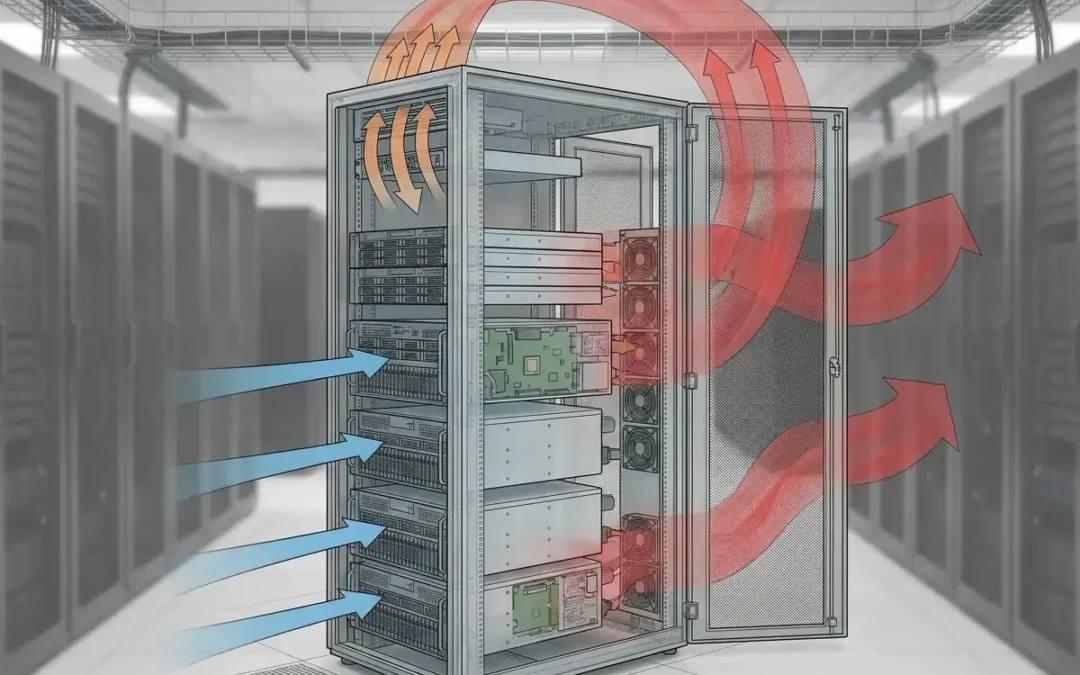
- Temperature stratification: In high-bay spaces, temperatures can vary dramatically between floor level and the ceiling. Destratification fans and airflow strategy are major efficiency tools.
- Loading dock losses: Dock seals, doors, air curtains, and infiltration control have an outsized effect on heating and cooling demand.
- Special-use zones: Offices, shipping areas, battery charging stations, and process spaces may each need different ventilation and temperature strategies.
- Spare parts: Warehouses should keep spare belts and filters on hand for critical units to reduce avoidable downtime.
Our warehouse maintenance plans are built around these real operating conditions, not a generic commercial checklist.
8. Benefits of Routine HVAC Maintenance for Warehouses
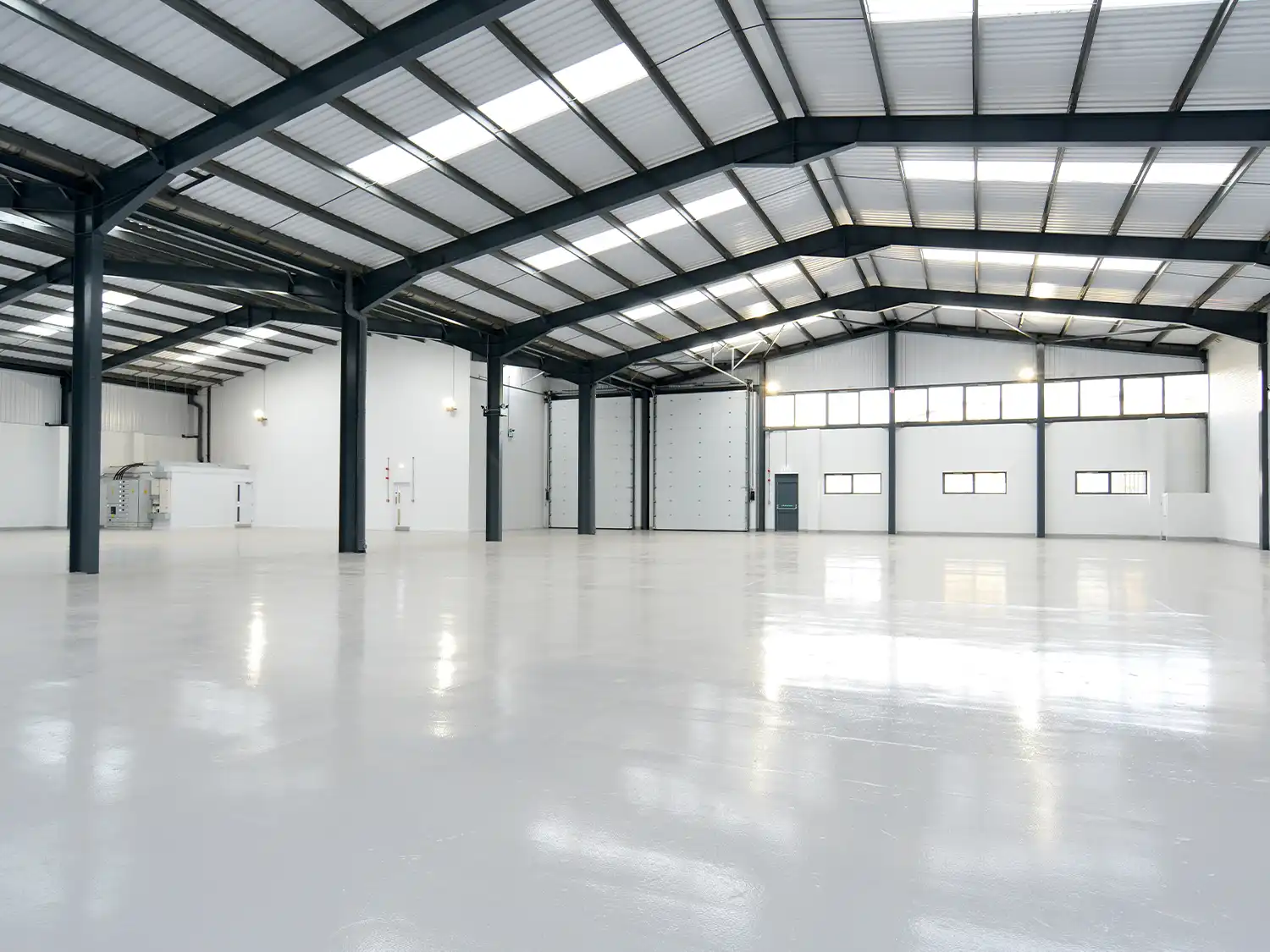
A consistent warehouse HVAC maintenance program does more than keep equipment cleaner. It supports how the entire facility runs.
- Reduces emergency breakdowns and unplanned service calls
- Improves temperature consistency in high-ceiling, open-floor environments
- Supports better airflow and ventilation for workers and operations
- Lowers lifetime operating cost by protecting major equipment
- Helps reduce energy waste caused by dirty coils, poor airflow, and infiltration
- Improves readiness for summer peaks, winter cold, and high-traffic shipping periods
Warehouses do not get much benefit from reactive HVAC management. The better approach is to keep the building predictable, efficient, and less vulnerable to surprise failures.
Frequently Asked Questions
How often should warehouse HVAC systems be serviced?
Most warehouses benefit from daily visual checks, weekly filter and drain checks, monthly mechanical inspection, quarterly deep cleaning and electrical review, and semiannual professional service before peak heating and cooling seasons.
What is the biggest maintenance issue in a warehouse?
Dust and infiltration are usually the biggest ongoing challenges. Dirty filters, dirty coils, blocked airflow, and open dock losses are some of the most common causes of inefficiency and discomfort.
Are warehouse HVAC systems different from office systems?
Yes. Warehouses deal with larger open spaces, higher ceilings, more door traffic, stronger dust loads, and greater stratification. That changes how airflow, filtration, zoning, and maintenance need to be handled.
Do you service large warehouse and distribution facilities?
Absolutely. We specialize in commercial and industrial HVAC maintenance for warehouses, logistics hubs, and distribution facilities across Indianapolis and Central Indiana.
Conclusion: Don’t Let HVAC Neglect Disrupt Your Operation
HVAC systems in warehouses and distribution centers are mission-critical. Regular maintenance improves performance, reduces emergency calls, supports worker comfort, and helps protect sensitive goods and operating schedules. A more detailed warehouse HVAC maintenance checklist gives you a better chance of keeping those systems reliable through every season.
With Choice Mechanical Services, you get commercial HVAC support that is tailored to the realities of warehouse operations in Indianapolis and Central Indiana.
Let’s build a maintenance program that protects your facility from the ground up or contact us today to schedule a warehouse system assessment.