Questions Facility Managers Should Ask Their HVAC Contractor
Choosing the right commercial HVAC contractor is not just about who can show up first or who submits the lowest number. For facility managers in Indianapolis and throughout Central Indiana, the better question is whether the contractor will act like a true operating partner or just another vendor. The wrong fit can lead to longer downtime, higher energy spend, poor documentation, and equipment that never seems to perform the way it should.
The right fit looks very different. A strong contractor helps you reduce risk, protect uptime, improve comfort, and build a long-term plan for your mechanical systems.
Need help evaluating your current HVAC support strategy? Contact Choice Mechanical Services to talk through your facility, your equipment, and what you need from a commercial HVAC partner in Indiana.
1. Can I Count on You When Something Goes Wrong?
Reliability starts with response. When an HVAC system fails during a July heat wave or a January cold snap, a vague promise to “get someone out there” is not enough. Facility managers should ask exactly how emergency response works, who gets dispatched, and what happens if the first technician cannot resolve the issue quickly.
- What are your emergency response times during business hours, nights, weekends, and holidays?
- Are those response times measured from the callback or actual on-site arrival?
- Do you use local dedicated technicians or subcontractors?
- What is your escalation path if the problem is not resolved on the first visit?
- Will we have a single point of contact for our account?
This line of questioning quickly tells you whether the contractor is set up for real commercial support or just reacting case by case. It also tells you whether they understand what downtime actually costs your building.
At Choice Mechanical, our commercial emergency HVAC services are designed around fast response, clear communication, and support that matches the urgency of Indiana commercial operations. If you want to look deeper at why this matters, read Why Every Facility Needs a 24/7 Commercial HVAC Emergency Partner.
Let’s talk about what dependable response should actually look like for your facility.
2. Do You Prevent Problems, or Just Repair Them After They Happen?
A strong contractor should not wait for failures to show up before taking action. Preventative maintenance is where good HVAC partnerships are built. Facility managers should push for specifics here, because “we do PMs” can mean anything from a quick walkthrough to a real task-based service program.
- What exactly is included in your maintenance checklist?
- Do you customize PMs based on our equipment, operating history, and critical spaces?
- Will you inspect coils, belts, amp draws, refrigerant levels, filters, and economizer operation?
- How do you document findings, recommendations, and unresolved issues?
- Do you review repeat problems and adjust the service plan over time?
The best maintenance programs are not generic. They are shaped around the building, the age of the equipment, and the consequences of failure. That matters even more in facilities with rooftop units, large office loads, or tenant-driven comfort pressure.
Our commercial HVAC maintenance agreements are built around that approach. If you want to see why this matters financially, read The Cost of Skipping Maintenance on Commercial HVAC Systems.
3. How Strong Are Your Controls, BAS, and Diagnostic Capabilities?
In modern commercial HVAC, mechanical skill alone is not enough. A contractor also needs to understand controls, sensors, economizers, scheduling logic, and building automation. Many of the most expensive HVAC problems are not dramatic breakdowns. They are hidden inefficiencies caused by bad sequences, failed sensors, or controls that no longer reflect how the building is actually used.
- Can you troubleshoot controls, zoning, and BAS issues, not just hardware failures?
- Do you perform trend analysis or review runtime data to catch problems early?
- Can you recommission systems that run but do not perform well?
- Will you review summer and winter schedules, deadbands, and setpoints with us?
- How do you handle economizers, demand control, and ventilation logic?
This is where the difference between vendor and partner becomes obvious. A real commercial HVAC partner should be able to connect comfort complaints, runtime trends, and energy waste back to controls, not just replace parts and move on.
If this is an area you are trying to improve, start with our article on How to Reduce Utility Costs with a Smart Commercial HVAC Control Strategy. You can also review our guide to summer schedules and setpoints for a practical example of how control decisions affect comfort and cost.
4. Are You Qualified to Work on the Equipment We Actually Have?
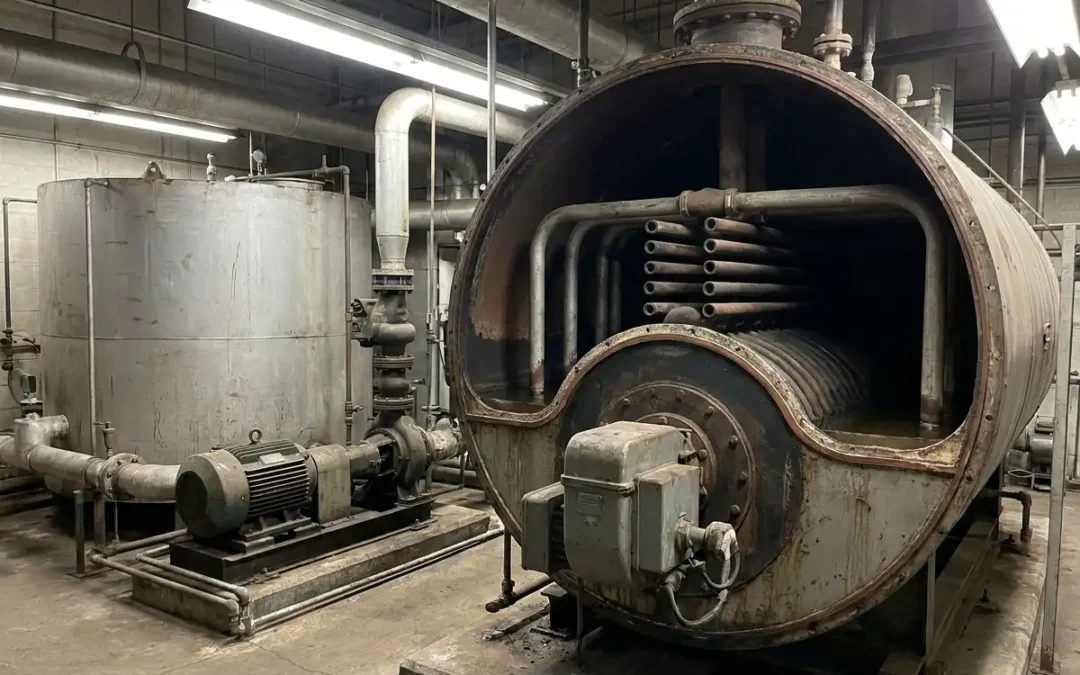
Not every contractor is equipped to handle specialized or higher-risk equipment. Boilers, chillers, complex rooftop units, refrigeration systems, and integrated control environments all require more than general HVAC familiarity. Facility managers should ask directly about training, manufacturer experience, and how deep the contractor’s bench really goes.
- Are your technicians trained on our installed brands and system types?
- Do you regularly work on boilers, chillers, and more advanced commercial systems?
- Can you support buildings with multi-zone controls, process loads, or critical areas?
- Do you have experience in facilities with tighter compliance or uptime demands?
This becomes especially important when the equipment supports schools, office campuses, healthcare spaces, manufacturing lines, or distribution environments where a wrong diagnosis costs more than the repair itself.
Choice Mechanical provides commercial boiler service and chiller solutions for facilities across Indiana. If you are planning upgrades or evaluating whether your current contractor is equipped for the next phase of your building, our guide on how to build a reliable HVAC infrastructure is a useful next read.
Let’s review your equipment and talk honestly about the level of support it needs.
5. How Will You Help With Energy Performance and Long-Term Planning?
A strong contractor should do more than keep the building running today. They should also help you think ahead. That includes energy use, capital planning, replacement timing, and how current performance affects long-term operating cost.
- Can you identify low-cost changes that reduce utility use without hurting comfort?
- Will you help us prioritize repairs, recommissioning, and upgrades based on real data?
- Can you support multi-year planning for rooftop units, boilers, chillers, and controls?
- Do you give clear, usable recommendations we can share with ownership or leadership?
This is one of the clearest signs that a contractor is thinking like a partner. Good commercial HVAC planning is not just about this month’s work order. It is about helping the building avoid preventable energy waste and phase improvements intelligently over time.
If you are looking for practical upgrade ideas, read 5 HVAC Upgrades That Deliver Fast ROI for Indiana Businesses. It is a helpful bridge between everyday maintenance and bigger capital planning conversations.
6. What Is Your Approach to IAQ, Ventilation, and Occupant Health?
Indoor air quality has become a bigger concern for property owners, tenants, and facility managers, and for good reason. Airflow, filtration, humidity, and ventilation all affect comfort, complaints, and in some cases liability. Contractors should be able to talk about IAQ in practical terms, not just swap filters and move on.
- How do you approach ventilation, filtration, and humidity control?
- Will you review how our systems perform during shoulder seasons and humid summer periods?
- Can you help identify pressure, airflow, or fresh-air problems in the building?
- How do you balance comfort, air quality, and energy use?
Many buildings that feel “off” are struggling with a mix of comfort and IAQ issues rather than a simple equipment failure. In those cases, the answer is often a broader systems review.
7. Will You Keep Us Organized, Documented, and Defensible?
Facility managers do not just need service. They need records, visibility, and documentation they can rely on. A contractor that leaves behind vague notes and scattered invoices makes the building harder to manage, not easier.
- Do you provide clear service history, photos, and documented recommendations?
- Can you help us track equipment condition, warranties, and repeat failures?
- Will you flag upcoming inspection, service, or compliance-related needs?
- How do you communicate unresolved risks or deferred repairs?
Strong documentation helps with budgeting, compliance, internal reporting, and ownership conversations. It also creates a much cleaner basis for deciding what to repair, what to recommission, and what to replace.
This is one reason our team also supports projects through piping and plumbing solutions when mechanical work goes beyond standard equipment service. It keeps more of the project under one roof and makes communication easier.
Frequently Asked Questions
How often should a commercial HVAC system be serviced?
For most facilities, twice per year is the baseline, once before cooling season and once before heating season. Buildings with heavier use, tighter comfort requirements, or specialized equipment often need more frequent service.
What should a real preventive maintenance program include?
A strong PM program should go beyond visual checks. It should include items like filter changes, belt and motor review, electrical checks, control review, coil inspection, refrigerant evaluation, and documentation tied to your actual equipment and operating conditions.
Why should I ask about controls and BAS experience?
Because many expensive HVAC problems today come from controls, scheduling, and sensor issues rather than obvious equipment failure. A contractor that cannot diagnose those issues will leave a lot of waste and frustration in the building.
What makes a contractor a long-term partner instead of just a vendor?
A partner helps you reduce downtime, improve energy performance, document system condition, and plan for the future. They respond when things go wrong, but they also help keep problems from getting there in the first place.
Final Thoughts
The best HVAC contractor conversations are not just about labor rates or availability. They are about how the contractor thinks, how they diagnose, how they document, and whether they are willing to help you manage the building over time instead of just answering calls as they come in.
For facility managers in Indianapolis and Central Indiana, asking better questions leads to better outcomes. At Choice Mechanical Services, we work to be the kind of commercial partner that helps buildings run better, not just get patched back together.
Ready to ask the right questions? Get in touch with our team today and let’s talk through what your facility actually needs from its HVAC contractor.