Get Your Commercial Rooftop HVAC System Ready for Summertime
When summer hits Indiana, rooftop units work harder than any other time of year. Rising temperatures, high humidity, severe thunderstorms, and airborne debris all place additional stress on commercial HVAC equipment. If your rooftop units are not ready before the first heat wave arrives, you may find yourself dealing with comfort complaints, rising utility bills, emergency repairs, and unexpected downtime.
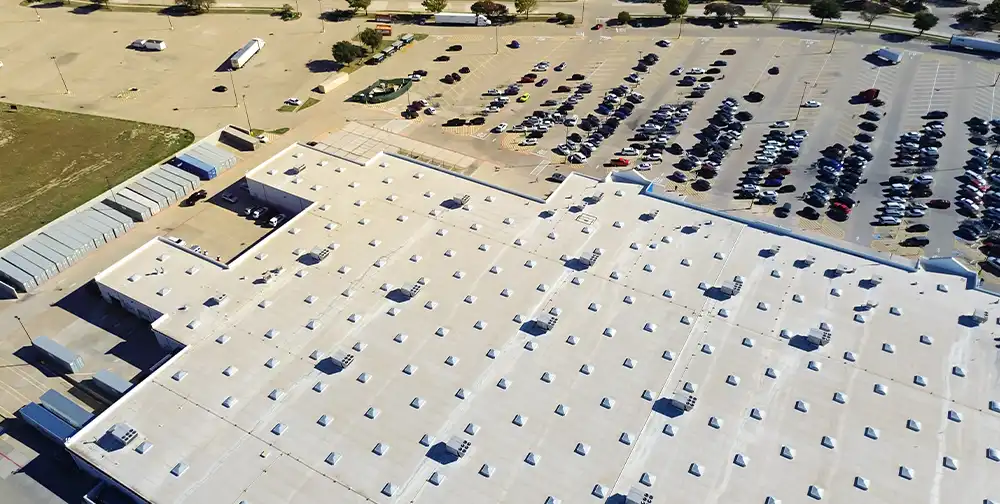
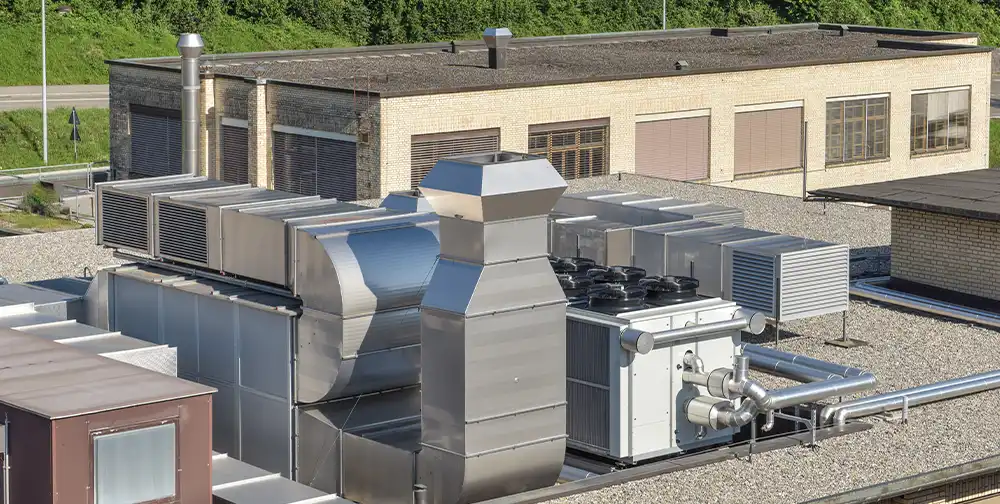
For office buildings, retail centers, schools, warehouses, healthcare facilities, and manufacturing operations, rooftop units often serve as the primary source of cooling. Because they sit exposed on the roof year-round, they face challenges that indoor equipment never experiences.
A structured summer maintenance plan helps facility managers identify problems before they turn into failures, improve energy efficiency, and keep occupants comfortable during Indiana’s hottest months.
Want a technician to walk your roof with you? Choice Mechanical Services provides commercial HVAC-R service for rooftop units throughout Indianapolis and Central Indiana and can help turn this checklist into a practical maintenance plan for your facility.
Why Rooftop Units Need Extra Attention During Indiana Summers
Indiana’s summer climate creates several unique challenges for commercial rooftop HVAC equipment. Even well-maintained systems work harder when temperatures climb into the 90s and humidity levels remain high for extended periods.
| Indiana Summer Challenge | Impact on Rooftop Units |
|---|---|
| High Humidity | Increases cooling load and stresses dehumidification performance. |
| Pollen and Cottonwood | Fouls condenser coils and restricts airflow. |
| Thunderstorms | Creates power quality issues and surge risks. |
| Direct Sun Exposure | Accelerates wear on rooftop components. |
| Hail and Severe Weather | Can damage condenser coils and reduce efficiency. |
| Heavy Rainfall | Creates drainage and water intrusion concerns. |
These environmental factors make preventative maintenance one of the most effective investments a facility can make before cooling season begins.
Wondering whether your existing equipment is worth maintaining? Our article on repairing versus replacing commercial HVAC equipment in Indiana can help guide long-term planning decisions.
1. Start With a Complete Spring RTU Inspection
Every successful summer preparation plan begins with a thorough rooftop inspection. The goal is to identify issues while repair schedules are still flexible and before cooling demand reaches its peak.
A spring inspection should include both the physical condition of the rooftop unit and the operational condition of major components.
- Open access panels and inspect internal components for dirt, corrosion, and damage
- Inspect cabinet seams, panel fasteners, and weather seals
- Check electrical connections for discoloration or signs of overheating
- Inspect wiring harnesses and control connections
- Verify model numbers, serial numbers, and equipment locations are documented
- Inspect rooftop curbs and flashing for water intrusion concerns
- Verify unit panels are secure and weather-tight
Many facilities discover small issues during these inspections that could have easily become expensive summer failures. Loose electrical connections, deteriorated cabinet seals, and water intrusion are common examples.
Managing multiple rooftop units? A documented rooftop survey can help prioritize repairs and capital improvements. Our commercial HVAC-R service team can help evaluate equipment condition and identify the highest-risk assets before summer begins.
You may also benefit from reading our guide on questions facility managers should ask their HVAC contractor when planning seasonal maintenance and equipment upgrades.
2. Clean Coils to Restore Cooling Performance
Condenser and evaporator coil cleanliness has a direct impact on cooling performance, energy efficiency, and equipment reliability. Unfortunately, coils are also one of the most commonly neglected maintenance items.
Indiana’s spring pollen season and cottonwood activity can quickly create a layer of debris that restricts airflow and reduces heat transfer.
- Clean condenser coils using manufacturer-approved methods
- Inspect evaporator coils for dirt and biological buildup
- Straighten damaged fins where practical
- Inspect coil guards and screens for restrictions
- Verify adequate airflow through all coil surfaces
Dirty coils force compressors to work harder because heat cannot be rejected efficiently. As head pressure rises, electrical consumption increases and cooling capacity decreases.
Why Coil Cleaning Matters More Than Most Facility Managers Realize
Even a relatively thin layer of dirt or pollen can create measurable performance losses.
| Dirty Coil Effect | Result |
|---|---|
| Reduced Heat Transfer | Lower cooling capacity |
| Higher Head Pressure | Increased compressor workload |
| Restricted Airflow | Longer equipment runtime |
| Higher Electrical Consumption | Increased utility costs |
| Additional Equipment Stress | Reduced equipment lifespan |
Many commercial facilities blame rising summer utility bills solely on hotter weather when dirty condenser coils are contributing significantly to energy waste.
Looking for ways to reduce operating costs? Read our guide on reducing utility costs with a smart commercial HVAC control strategy to learn how maintenance and controls work together.
If coil cleaning is routinely getting pushed aside, our commercial Maintenance Agreements help ensure critical maintenance items are completed on schedule instead of after performance declines.
3. Replace Filters and Verify Airflow
Airflow problems are one of the most common causes of summer comfort complaints. Dirty filters, restricted return paths, clogged blower assemblies, and neglected fan systems can all reduce cooling effectiveness.
Replacing filters is simple, but airflow verification should go much deeper.
- Replace filters using the proper MERV rating and size
- Inspect filter racks for bypass gaps
- Inspect supply and return grilles for obstructions
- Check blower wheels for accumulated debris
- Inspect fan housings and airflow paths
- Verify proper airflow through occupied spaces
Poor airflow creates several downstream problems. Coils can freeze, humidity removal suffers, and occupants experience hot and cold spots throughout the building.
If airflow restrictions persist long enough, cooling equipment may appear undersized when the real issue is simply insufficient air movement.
| Airflow Problem | Potential Result |
|---|---|
| Dirty Filters | Reduced airflow and cooling capacity |
| Blocked Returns | Uneven building temperatures |
| Dirty Blower Wheels | Lower air volume delivery |
| Damaged Ductwork | Lost conditioned air |
| Improper Fan Settings | Poor comfort and humidity control |
Experiencing persistent hot and cold spots? You may also want to review our article on how poor air balancing creates hot and cold spots in commercial buildings.
Warehouse operators should also review our guide on whether your warehouse HVAC system is wasting energy to identify common airflow-related inefficiencies.
4. Inspect Belts, Motors, and Fan Assemblies
Fans are responsible for moving conditioned air throughout the building. When motors, belts, or fan assemblies begin to fail, cooling performance often suffers long before a complete breakdown occurs.
Pre-season inspections should include:
- Checking belt tension and alignment
- Inspecting belts for glazing, cracking, or fraying
- Listening for bearing noise and vibration
- Inspecting motor mounts and hardware
- Checking fan wheel cleanliness and balance
- Verifying proper fan rotation
- Inspecting condenser fan assemblies
Replacing a worn belt during spring maintenance is far less disruptive than replacing one during a July heat wave when occupancy is at its peak.
Motor failures also tend to occur under the greatest load conditions, making summer the most common season for fan-related service calls.
If your facility experiences recurring fan failures, a structured maintenance strategy may help identify patterns before they become emergencies. Learn more about our commercial maintenance agreements and how they support long-term equipment reliability.
You may also find value in our article on the hidden costs of inconsistent HVAC maintenance in large facilities.
5. Test Economizers and Outdoor Air Dampers
Economizers are among the most overlooked components on commercial rooftop units. When operating correctly, they can significantly reduce cooling costs during Indiana’s mild spring and fall weather. When they fail, however, they often become a hidden source of energy waste and comfort complaints.
Many facility managers are surprised to learn that a malfunctioning economizer can increase cooling loads by continuously bringing in hot, humid outdoor air when it should not.
- Verify outdoor air dampers open and close through their full range of motion
- Inspect actuator operation and linkage condition
- Confirm minimum outside air settings meet ventilation requirements
- Check economizer sensor placement and calibration
- Inspect mixed-air sensors and outdoor air temperature sensors
- Verify damper seals are intact and free of damage
- Test economizer operation through the building automation system
Economizer issues often develop gradually and can remain unnoticed for months. Because the equipment continues operating, many buildings simply absorb the additional utility costs without realizing the root cause.
Economizer Problems Can Quietly Waste Energy
| Economizer Issue | Potential Result |
|---|---|
| Stuck Open Damper | Excessive hot, humid air enters the building |
| Failed Sensor | Improper economizer operation |
| Broken Actuator | Dampers fail to modulate properly |
| Improper Minimum Position | Higher cooling and dehumidification loads |
| Damaged Seals | Uncontrolled outdoor air infiltration |
Economizer recommissioning often provides a surprisingly fast return on investment because it addresses both energy consumption and occupant comfort.
Looking at larger efficiency improvements? Read our guide on building a reliable commercial HVAC infrastructure to understand how controls, ventilation, and equipment performance work together.
6. Verify Controls, Setpoints, and Operating Schedules
Even the best-maintained rooftop unit can struggle if controls are not configured properly. As cooling season approaches, control sequences should be reviewed to ensure equipment operates efficiently and consistently.
Many facilities continue running schedules and setpoints that were originally created years ago, even though occupancy patterns, operating hours, and building usage have changed significantly.
- Verify thermostat calibration
- Review occupied and unoccupied schedules
- Check cooling stage operation
- Test alarms and notification settings
- Verify setback and startup programming
- Review building automation system trends
- Confirm humidity control sequences are functioning properly
Small scheduling adjustments can create meaningful energy savings while improving comfort throughout the building.
| Control Issue | Common Result |
|---|---|
| Incorrect Occupancy Schedules | Unnecessary runtime and higher utility costs |
| Sensor Calibration Drift | Poor comfort control |
| Improper Staging Logic | Short cycling and equipment wear |
| Disabled Alarms | Delayed response to equipment failures |
| Outdated Setpoints | Occupant complaints and inefficiency |
Trying to reduce utility costs without sacrificing comfort? Our article on smart commercial HVAC control strategies explores how controls can improve both efficiency and performance.
7. Do Not Overlook Dehumidification Performance
Many commercial buildings focus entirely on temperature during summer, but humidity is often just as important. Indiana summers routinely bring high dew points and elevated moisture levels that place additional demands on rooftop units.
A building can technically reach temperature setpoint while still feeling uncomfortable if humidity levels remain too high.
Occupants often describe these conditions as:
- Sticky or clammy indoor air
- Musty odors
- Condensation on windows or diffusers
- Spaces that feel uncomfortable despite cool temperatures
- Indoor air quality complaints
Common causes of poor dehumidification include:
- Dirty evaporator coils
- Improper refrigerant charge
- Excessive airflow across the evaporator coil
- Clogged condensate drains
- Economizer problems introducing excess humidity
- Improper control sequences
For many Indiana facilities, humidity control becomes one of the largest contributors to occupant comfort during July and August.
| Humidity Issue | Potential Impact |
|---|---|
| High Indoor Humidity | Reduced occupant comfort |
| Condensation Formation | Water damage and IAQ concerns |
| Musty Odors | Occupant complaints |
| Poor Moisture Removal | Building feels damp despite cooling |
| Extended Runtime | Higher operating costs |
Dealing with comfort complaints throughout the building? You may also want to review our article on air balancing and temperature consistency in commercial facilities.
8. Clean and Test Condensate Drain Systems
Indiana’s humidity means rooftop units remove large amounts of moisture from the air throughout the summer. That water must be drained properly.
Condensate issues are among the most preventable causes of summertime service calls and water damage.
- Clean drain pans thoroughly
- Remove algae, sludge, and debris
- Flush condensate drain lines
- Verify trap configuration
- Test overflow safety switches
- Inspect drain line routing and support
- Confirm proper drainage away from the unit
Overflowing drain pans can damage ceilings, insulation, drywall, and building contents. They also create indoor air quality concerns when moisture accumulates inside occupied spaces.
| Condensate Issue | Potential Consequence |
|---|---|
| Blocked Drain Line | Water overflow |
| Dirty Drain Pan | Algae and biological growth |
| Improper Trap Design | Drainage problems |
| Failed Float Switch | Undetected overflow |
| Poor Drain Routing | Water damage |
Have you experienced water damage from HVAC equipment before? Mention that during your service visit so drain systems can receive additional attention.
9. Prepare for Summer Storms and Severe Weather
Indiana’s summer weather can be unpredictable. Thunderstorms, hail, lightning strikes, heavy rainfall, and high winds all create risks for rooftop equipment.
Pre-season preparation should include a review of weather-related vulnerabilities.
- Inspect rooftop unit panels and fasteners
- Verify cabinet integrity and weather seals
- Inspect hail guards and coil protection systems
- Review surge protection devices
- Inspect electrical disconnects
- Verify roof drainage around equipment curbs
- Inspect outdoor air hoods and weather barriers
- Confirm equipment anchoring and mounting condition
Facilities that serve critical operations should also evaluate backup power capabilities and emergency procedures before cooling season reaches its peak.
| Severe Weather Threat | Recommended Preparation |
|---|---|
| Lightning | Inspect surge protection devices |
| Hail | Verify coil protection and hail guards |
| Heavy Rain | Inspect drainage systems |
| High Winds | Secure panels and rooftop components |
| Power Interruptions | Review backup power procedures |
Concerned about how equipment failures affect operations? Read our article on commercial HVAC emergencies that can shut down a business to better understand the risks of deferred maintenance.
10. Look for Energy Efficiency Opportunities Before Peak Demand Season
Summer preparation is not only about preventing failures. It is also an opportunity to improve energy performance before utility costs peak.
Many Indiana utilities assess demand charges based on peak electrical consumption. Improving rooftop unit performance can help reduce both consumption and demand-related costs.
- Verify economizer operation
- Optimize startup schedules
- Review ventilation rates
- Reduce unnecessary runtime
- Improve airflow performance
- Address coil cleanliness issues
- Evaluate aging equipment efficiency
| Efficiency Improvement | Potential Benefit |
|---|---|
| Coil Cleaning | Improved heat transfer |
| Control Optimization | Reduced runtime |
| Economizer Repairs | Lower cooling loads |
| Airflow Improvements | Better comfort and efficiency |
| Equipment Upgrades | Lower operating costs |
Not sure whether maintenance or replacement makes more sense? Review our article on repairing versus replacing commercial HVAC equipment before making major investment decisions.
11. Document Critical Rooftop Units and Emergency Response Procedures
Not every rooftop unit serves the same purpose. Some support conference rooms or general office areas, while others may serve data rooms, healthcare spaces, manufacturing operations, retail sales floors, or temperature-sensitive inventory areas.
Part of summer preparation should include identifying which rooftop units are critical to business operations and developing a response plan before a failure occurs.
- Identify units serving critical areas
- Document rooftop locations and access requirements
- Create an updated equipment inventory
- Verify emergency contact information
- Review after-hours response procedures
- Confirm building access procedures for contractors
- Maintain current equipment documentation and service records
When a rooftop unit fails during a heat wave, every minute spent searching for equipment information delays the repair process.
Summer RTU Emergency Checklist
| If an RTU Fails | Recommended Action |
|---|---|
| Identify affected spaces | Determine operational impact immediately |
| Review BAS alarms | Document fault codes and operating conditions |
| Notify stakeholders | Communicate with occupants and management |
| Protect critical areas | Implement temporary cooling if necessary |
| Contact HVAC partner | Dispatch emergency service quickly |
Every facility should have a documented response plan. We recommend reviewing our guide on what to include in a commercial HVAC emergency response plan before peak cooling season begins.
You should also consider whether your facility has a dedicated emergency service partner. Our article on why every facility needs a 24/7 commercial HVAC emergency partner explains the operational risks of waiting until a system fails to find support.
12. Establish a Maintenance Plan for the Entire Cooling Season
A spring maintenance visit is an excellent starting point, but rooftop units require ongoing attention throughout Indiana’s cooling season. Equipment that runs continuously through June, July, and August experiences significant wear, especially during periods of high heat and humidity.
Facilities that rely on a single pre-season visit often miss developing issues that occur later in the summer.
- Schedule pre-season inspections before cooling demand peaks
- Perform mid-season filter and airflow checks
- Track refrigerant and performance trends
- Monitor utility consumption patterns
- Address minor issues before they become emergencies
- Document equipment condition and repair history
- Budget for future repairs and replacements proactively
A structured maintenance program also allows facility managers to identify equipment that may be approaching the end of its useful life before failures become disruptive.
Looking for a proactive approach? Our commercial Maintenance Agreements help facilities stay ahead of equipment problems through scheduled service, priority response, and long-term planning.
You may also find value in our article on the hidden costs of inconsistent HVAC maintenance in large facilities, which explains how deferred maintenance impacts budgets and equipment reliability.
Summer RTU Preparation at a Glance
Facility managers can use this quick-reference checklist to verify rooftop units are ready for summer operation.
| Task | Priority |
|---|---|
| Coil Cleaning | High |
| Filter Replacement | High |
| Economizer Testing | High |
| Fan and Belt Inspection | High |
| Controls Review | High |
| Condensate Drain Inspection | High |
| Humidity Performance Review | Medium |
| Storm Preparedness Review | Medium |
| Emergency Planning | High |
| Documentation Updates | Medium |
Facilities that complete these steps before the first major heat wave generally experience fewer emergency calls, lower operating costs, and better occupant comfort throughout the cooling season.
Frequently Asked Questions
How often should commercial rooftop units be serviced?
Most commercial rooftop units should receive maintenance at least twice per year, once before cooling season and once before heating season. Facilities with heavy occupancy, demanding environments, or critical cooling needs often benefit from additional quarterly inspections.
What is the most important part of rooftop unit summer preparation?
There is no single most important item, but coil cleaning, filter replacement, airflow verification, and controls testing consistently provide the greatest impact on reliability and efficiency.
Can rooftop unit maintenance reduce utility costs?
Yes. Clean coils, proper airflow, functional economizers, and optimized controls help rooftop units operate more efficiently. Many facilities see measurable reductions in cooling-related energy consumption after completing preventative maintenance.
How do I know if an economizer is working properly?
Economizers should be tested during seasonal maintenance. Proper operation requires accurate sensors, functioning actuators, properly adjusted dampers, and correct control sequences. Many economizer failures are not obvious without testing.
Why does my building feel humid even when the air conditioning is running?
Humidity problems often result from dirty evaporator coils, refrigerant issues, excessive airflow, economizer problems, or clogged condensate drains. A building can reach temperature setpoint while still maintaining uncomfortable humidity levels.
What should I do if a rooftop unit fails during a heat wave?
Protect occupants and critical operations first, document any alarms or fault codes, identify affected areas, and contact a commercial HVAC contractor with emergency response capabilities. Facilities with established emergency response plans typically recover much faster from equipment failures.
How long do commercial rooftop units typically last?
Most commercial rooftop units have an expected service life of approximately 15 to 25 years, depending on maintenance quality, operating conditions, equipment design, and environmental exposure.
Commercial Rooftop HVAC Maintenance Services in Indianapolis and Central Indiana
Commercial rooftop units play a critical role in keeping facilities comfortable, productive, and operational throughout Indiana’s summer cooling season. From office buildings and healthcare facilities to warehouses, manufacturing plants, schools, and retail centers, rooftop equipment requires regular attention to perform reliably.
Choice Mechanical Services supports commercial facilities throughout Indianapolis, Carmel, Fishers, Greenwood, Plainfield, Brownsburg, Avon, Noblesville, Lawrence, and surrounding Central Indiana communities.
Our commercial services include:
- Commercial HVAC-R service
- Preventative maintenance programs
- Rooftop unit diagnostics and repair
- Boiler and chiller service
- Piping and plumbing services
- Building controls support
- 24/7 emergency HVAC service
Whether you operate a single facility or manage multiple properties across Central Indiana, a proactive rooftop unit maintenance strategy can help reduce emergency repairs, improve comfort, and extend equipment life.
Prepare Your Rooftop Units Before the First Heat Wave Arrives
Rooftop units are easy to overlook because they operate out of sight. Unfortunately, that often means problems are not discovered until temperatures climb and cooling becomes critical.
By inspecting rooftop units, cleaning coils, verifying airflow, testing economizers, reviewing controls, preparing for severe weather, and maintaining a clear emergency response plan, facility managers can dramatically reduce the likelihood of summer disruptions.
Preventative maintenance is not just about avoiding breakdowns. It is about improving reliability, controlling energy costs, extending equipment life, and creating a more comfortable environment for occupants.
Choice Mechanical Services partners with commercial facilities throughout Indianapolis and Central Indiana to prepare rooftop units for summer operation and support them throughout the cooling season.
Contact us today or call (317) 885-0200 to schedule a rooftop HVAC evaluation and build a summer maintenance plan for your facility.