How to Prepare Your Commercial HVAC System for Peak Heating Season in Indiana
Indiana winters put a different kind of pressure on commercial HVAC systems. When temperatures drop, heat is no longer a comfort upgrade – it becomes a basic requirement for safety, productivity, and code compliance. If your equipment is not ready when the first real cold snap hits, you risk frozen pipes, uncomfortable staff, and emergency repair calls that could have been avoided.
Preparing your commercial HVAC system for heating season is less about one big project and more about a focused checklist that covers boilers, rooftop units, piping, and controls.
Want support before the cold sets in? Choice Mechanical Services provides commercial HVAC-R service and heating season prep for facilities in Indianapolis and across Central Indiana.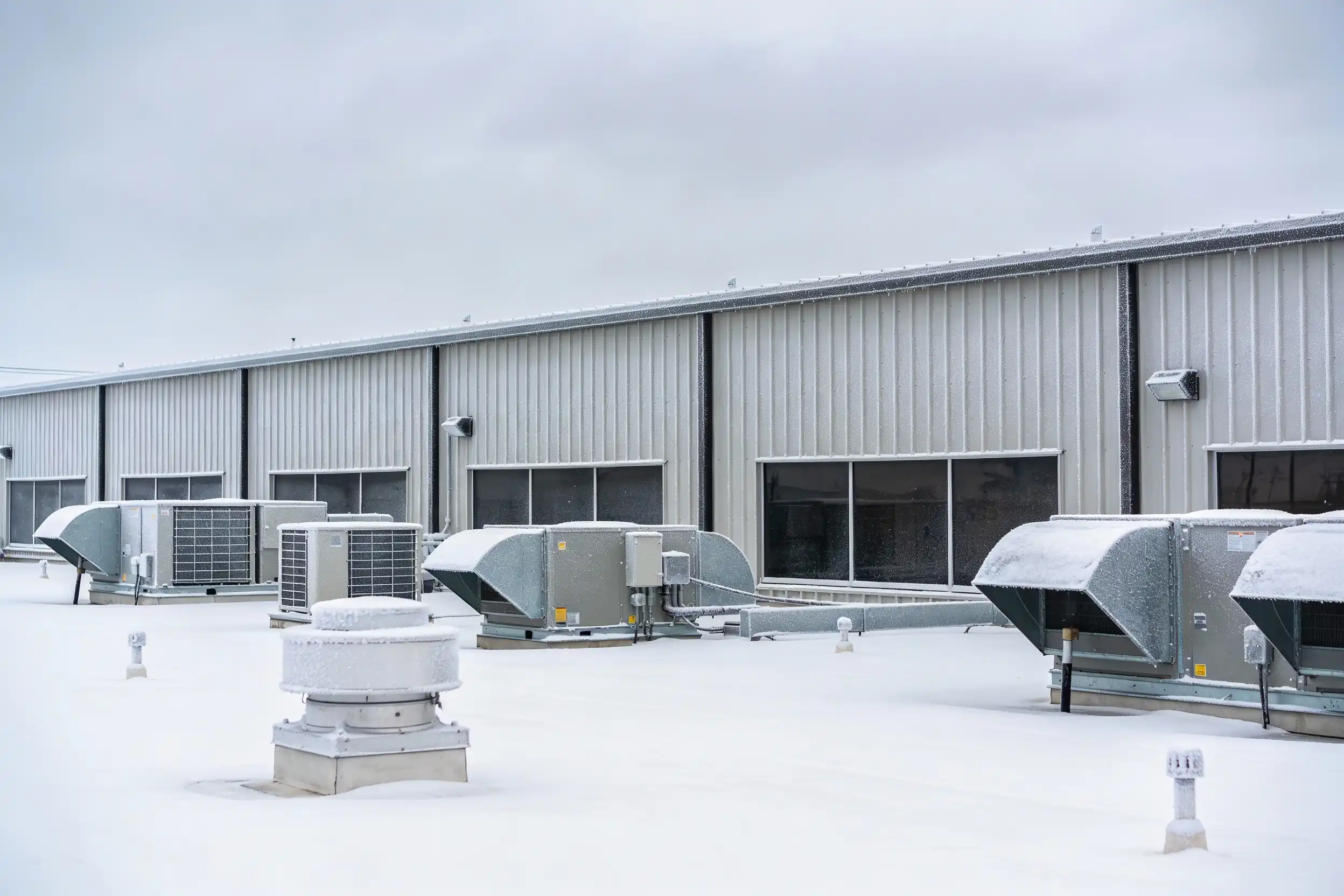
1. Schedule a Pre-Season Heating Inspection
The best time to find problems with heating equipment is before you depend on it. A targeted pre-season inspection gives your team and your contractor time to plan repairs instead of reacting to emergency calls during the first cold spell.
- Confirm operation of rooftop units and heat sections on air handlers
- Inspect boilers, burners, and combustion components
- Check gas piping, valves, and safety shutoffs for proper function
- Verify that flues, vents, and combustion air openings are clear
A structured inspection also helps you document the condition of major assets, which is valuable when planning budgets and capital projects.
Need a plan instead of one-off calls? Our Maintenance Agreements include seasonal checks that keep heating systems ready before winter weather arrives.
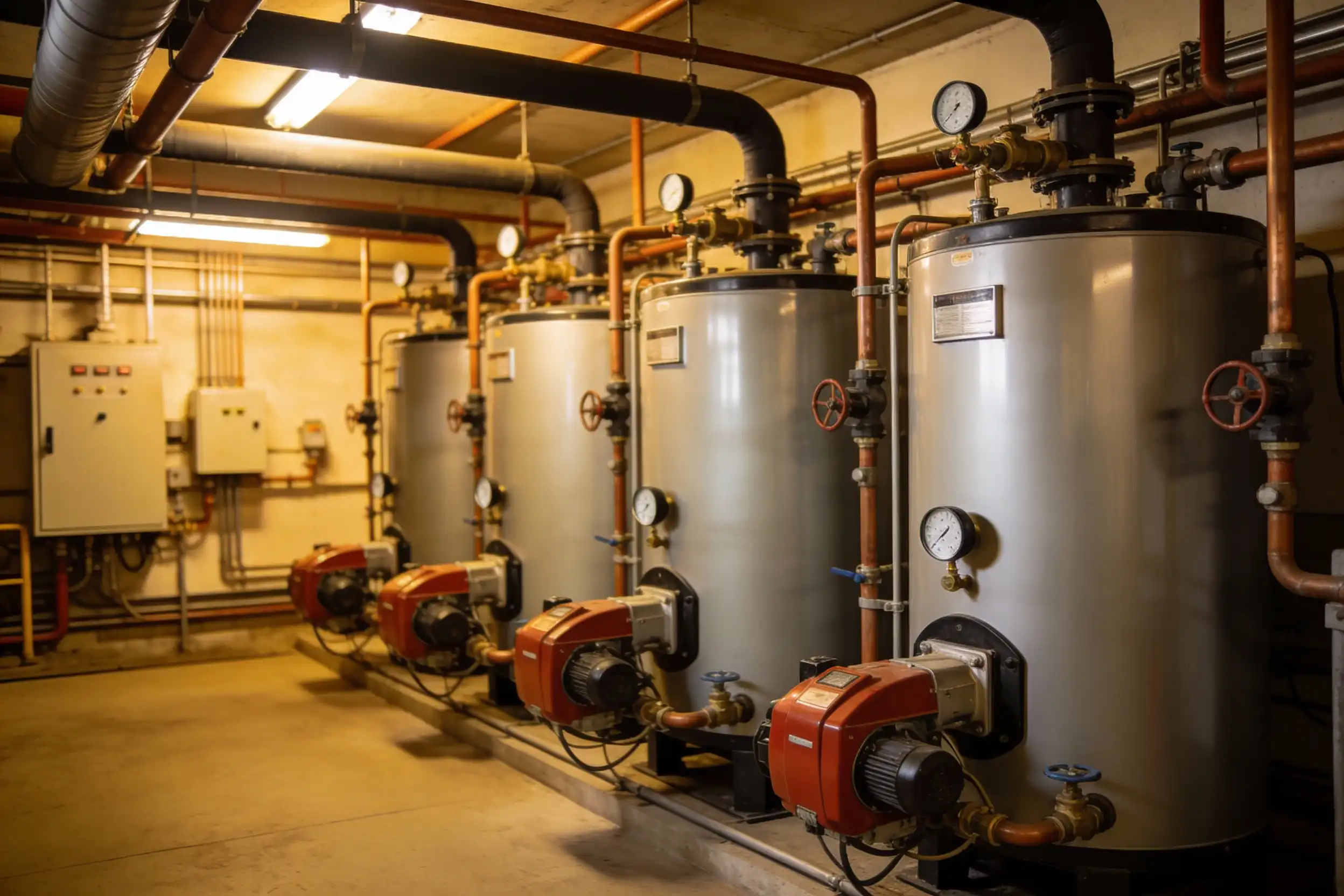
2. Tune and Test Boiler Systems Before the First Freeze
In many commercial and industrial buildings, the boiler plant is the heart of the heating system. If a boiler fails on a freezing night, the risk extends beyond cold rooms. You may face frozen piping, damaged equipment, and safety concerns in a matter of hours.
- Inspect flame sensors, ignition systems, and safeties for reliable operation
- Check water quality, pressure, and expansion devices in hydronic systems
- Verify proper operation of pumps, valves, and control sequences
- Review recent lockouts or nuisance trips that may indicate deeper issues
Boiler service is not something to rush on the first cold day of the year. Address questionable performance and past trouble signals while conditions are still mild.
If your boiler has a history of problems, consider a deeper review of your mechanical infrastructure. Our article on building a reliable commercial HVAC infrastructure explains how boiler plants, distribution, and controls should work together.
3. Inspect Piping, Distribution, and Freeze Protection
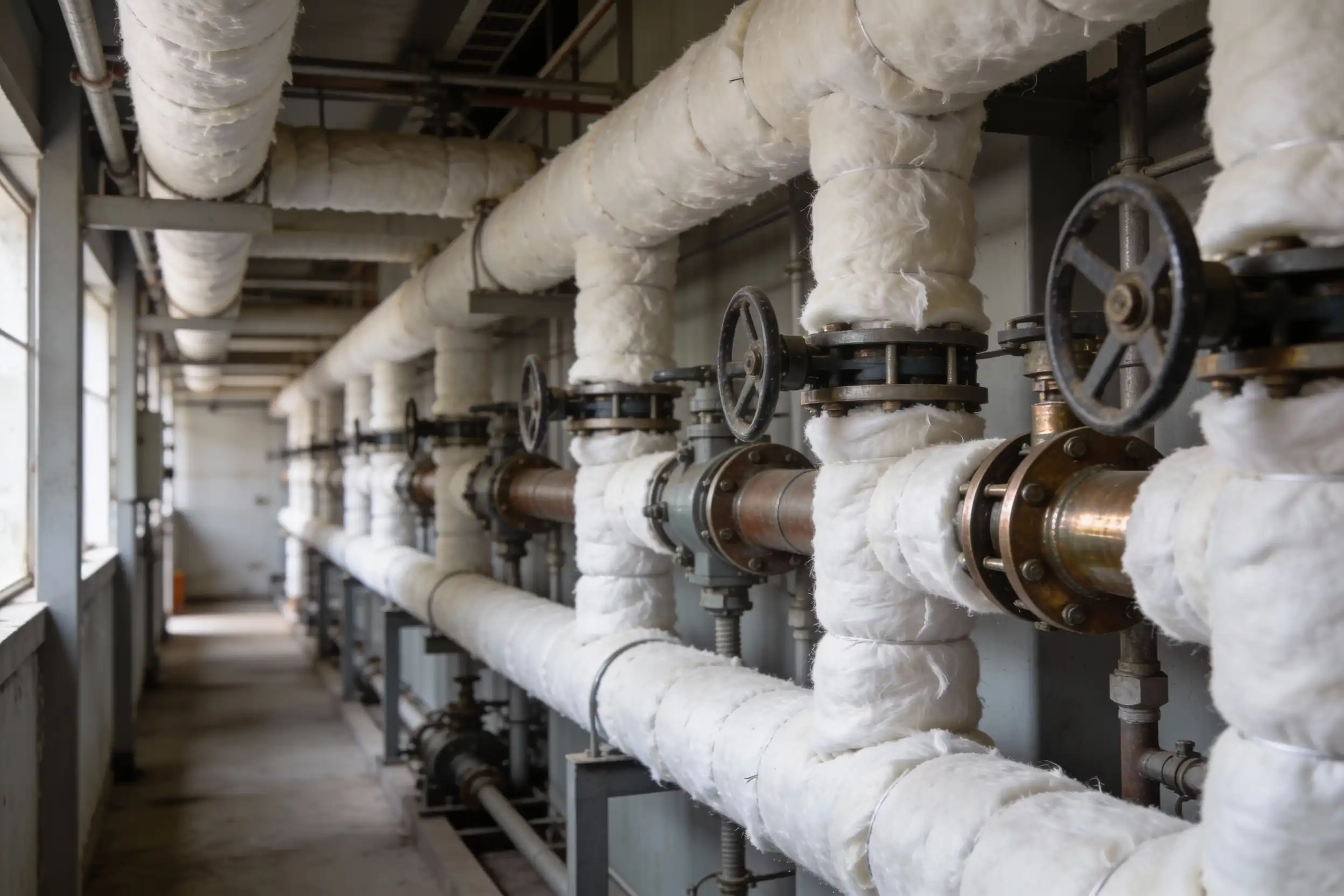
Even if the heat source is in good shape, weak points in distribution can cause trouble when temperatures drop. Exposed piping, failing insulation, and poor circulation show up fast during cold snaps.
- Inspect hot water and steam piping for leaks, corrosion, or missing insulation
- Check valves, strainers, and terminal units for proper operation
- Verify that freeze stats and low temperature safeties are working
- Review areas near dock doors, unconditioned spaces, and exterior walls for risk of frozen lines
Many winter emergencies start with a small piping issue that went unnoticed. A careful walk through mechanical rooms, corridors, and above-ceiling spaces can prevent those headaches.
Seeing piping issues already? Our piping and plumbing team can repair leaks, improve insulation, and correct problem areas before they become winter incidents.
4. Confirm Controls, Schedules, and Setpoints for Heating Season
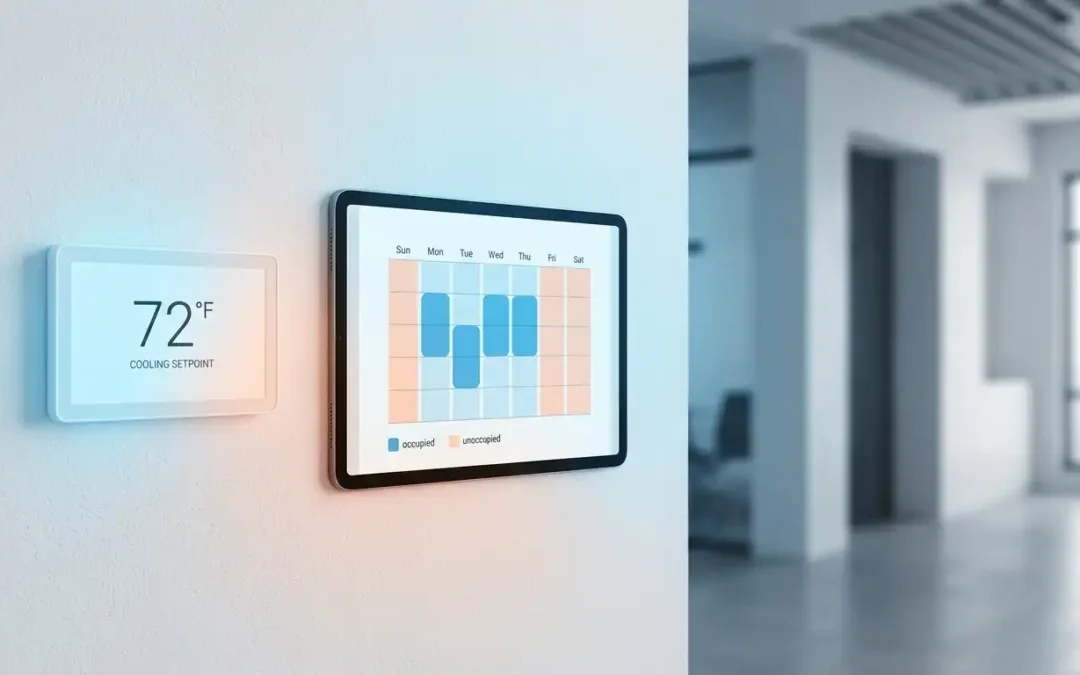
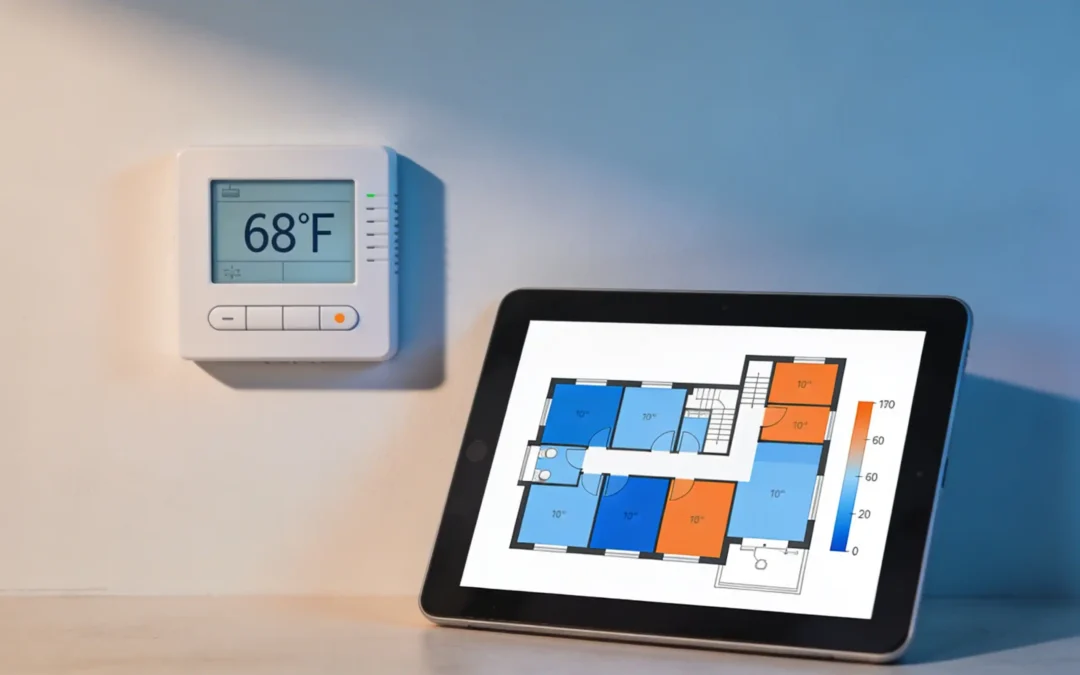
Controls that were tuned for summer cooling need to be revisited before heating season. If thermostats, building management systems, or zone controls are left on “last season’s settings,” the system will fight itself and waste energy.
- Adjust schedules to reflect winter occupancy, startup times, and setback periods
- Review heating setpoints for offices, production areas, and warehouse zones
- Verify sensor locations and calibration so they reflect true space conditions
- Test alarms and trend logs for low temperature conditions in critical areas
Dialed-in controls help buildings warm up on time without overshooting, and they reduce the temptation to make drastic manual changes on cold mornings.
Looking to get more out of your controls? See how smarter strategies work in our piece on reducing utility costs with a smart commercial HVAC control strategy, then apply those concepts to your heating season setup.
5. Protect Warehouses and Large Volume Spaces From Cold Weather Issues
Warehouses, distribution centers, and plants in Indiana face special challenges in winter. Large doors, high ceilings, and mixed use zones make it harder to maintain consistent temperatures. If heat distribution is weak, workers feel it and inventory can be exposed to risk.
- Identify zones where low temperatures could damage product or equipment
- Evaluate dock areas and high bay spaces for heat loss and stratification
- Review operation of unit heaters, makeup air units, and ventilation systems
- Check that temperature sensors are placed in representative locations, not near doors
Winter planning in warehouses is as much about airflow and zoning as it is about raw heating capacity.
Managing a warehouse or distribution facility? Our articles on warehouse HVAC maintenance and controlling temperature fluctuations in large warehouses offer additional guidance that pairs well with your heating season checklist.
6. Review Indoor Air Quality and Ventilation for Cold Weather Operation
As buildings tighten up in winter, ventilation becomes even more important. Reducing outside air too far can create indoor air quality issues, while over-ventilating can waste energy and make spaces feel drafty.
- Confirm that outdoor air dampers and actuators move and seal correctly
- Review minimum ventilation rates in relation to occupancy and code requirements
- Check heat recovery units, economizers, and relief fans for proper operation
- Inspect filters and air handling components that affect air cleanliness
Balanced ventilation helps keep indoor air healthier while avoiding the complaints that come with cold drafts or stuffy rooms.
Noticing air quality complaints during winter? A broader review of your HVAC-R systems can identify issues with ventilation, filtration, and control that show up most clearly during the heating season.
7. Confirm 24/7 Heating Emergency Support Before the First Cold Snap
No matter how well you prepare, heating equipment can still fail. When that happens on a weekend or overnight, you need to know exactly who to call and how quickly they can respond. Waiting until the first emergency to figure that out is a bad place to be.
- Verify that your contractor offers 24/7/365 emergency service for heating issues
- Share updated contact details, system information, and access procedures
- Include heating failures in your facility’s emergency response plan
- Make sure front desk, security, and supervisors know the correct escalation path
Having a defined emergency partner and a written plan cuts down on confusion when a boiler, rooftop unit, or critical air handler fails in the middle of a cold night.
Do you already have a heating emergency partner you trust? If not, read why every facility needs a 24/7 commercial HVAC emergency partner, then review our emergency services for commercial facilities in Central Indiana.
Frequently Asked Questions
When should we start heating season preparation in Indiana?
Most commercial facilities benefit from starting heating prep in early fall. That timeframe gives you room to schedule inspections, complete repairs, and test systems well before the first extended cold spell arrives.
Is a separate heating inspection necessary if we already do cooling checks?
Yes. Heating components have different failure points than cooling equipment. Boilers, burners, gas piping, and freeze protection all need focused attention. Many issues will not show up during a summer cooling inspection.
How does preparation differ for office buildings vs. warehouses?
Offices tend to focus more on comfort and indoor air quality. Warehouses and industrial spaces place more emphasis on freeze protection, high bay heating, dock areas, and protecting inventory. Both benefit from seasonal checks, but the priorities and problem zones can be very different.
Can heating season prep be folded into a maintenance agreement?
Absolutely. Our Maintenance Agreements are built around the full annual cycle. Heating season, cooling season, and changeover periods are all accounted for so your equipment is supported year round.
Go Into Winter With a Heating Plan, Not Just Hope
Indiana winters will test any commercial HVAC system. The question is whether yours will struggle through each cold front or handle the load without drama. A clear heating season preparation checklist, backed by consistent maintenance and a reliable emergency partner, gives your facility a real advantage.
Choice Mechanical Services works with commercial and industrial facilities across Indianapolis and Central Indiana to prepare heating systems before the weather turns and to keep them running through the coldest weeks of the year.
Contact us today to schedule a pre-season heating review and build a plan that keeps your building warm, safe, and operational all winter.