How to Prepare Your Commercial HVAC System for Peak Cooling Season in Indiana
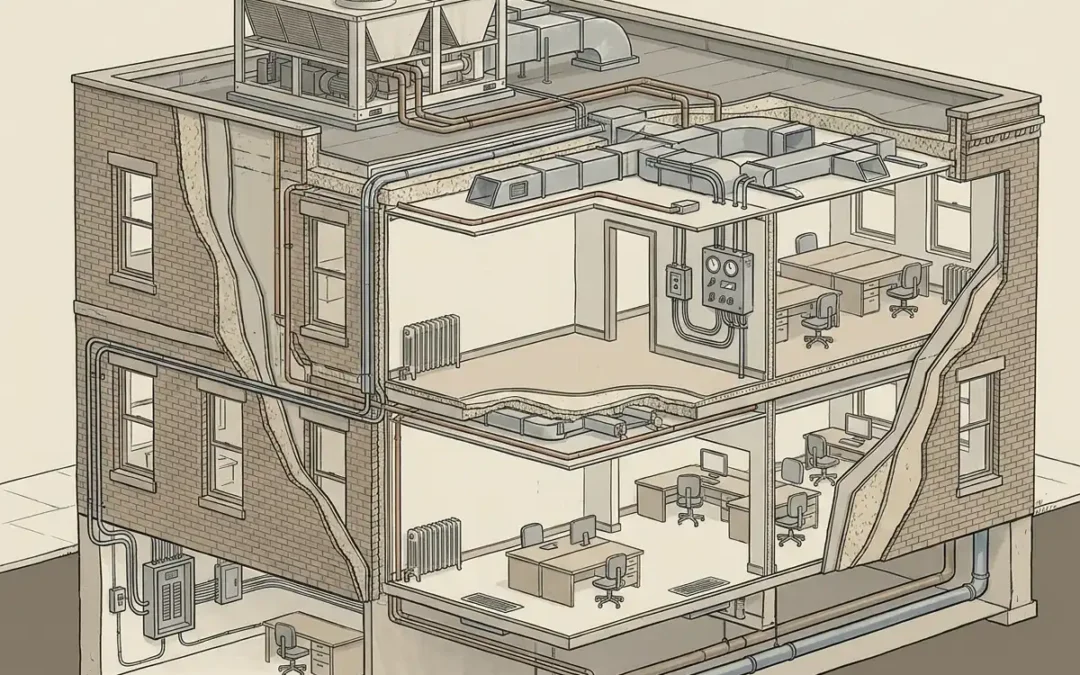
When summer hits Indiana, commercial HVAC systems are pushed hard by heat, humidity, and long run times. A system that goes into cooling season without a real plan is much more likely to produce comfort complaints, higher utility bills, indoor air quality problems, and mid-season breakdowns. Spring preparation is what separates a stable summer from a string of emergency calls.
For most facilities in Indianapolis and Central Indiana, peak cooling prep should start several weeks before the first real heat wave. That gives your team time to inspect equipment, correct airflow and control issues, clean critical components, and address any problem zones before your rooftop units, chillers, and air handlers are under full load.
Want a professional set of eyes on your equipment before summer? Choice Mechanical Services provides commercial HVAC-R service and inspections for facilities across Indianapolis and Central Indiana. Make sure to also read our article on how to prepare your commercial HVAC system for peak heating season in Indiana.
1. Start Early and Treat Summer Prep Like a Real Project
Peak cooling prep should not begin when the first 90-degree forecast shows up. In Indiana, the best time to start is in early to mid-spring, while you still have scheduling flexibility and time to order parts if needed. That is especially important in buildings with older equipment, heavy occupancy, or spaces that cannot afford a cooling interruption.
- Review your previous summer issues, work orders, and repeat service calls
- Identify the systems and zones that are most critical to operations
- Plan inspections and corrective work before outdoor temperatures spike
- Use spring to handle known weak points instead of waiting for another failure
This is also a good time to look at how your cooling strategy fits into the full year. If you are planning ahead on both sides of the calendar, our article on preparing your commercial HVAC system for peak heating season is the natural companion piece.
2. Begin With a Full Pre-Season HVAC Inspection
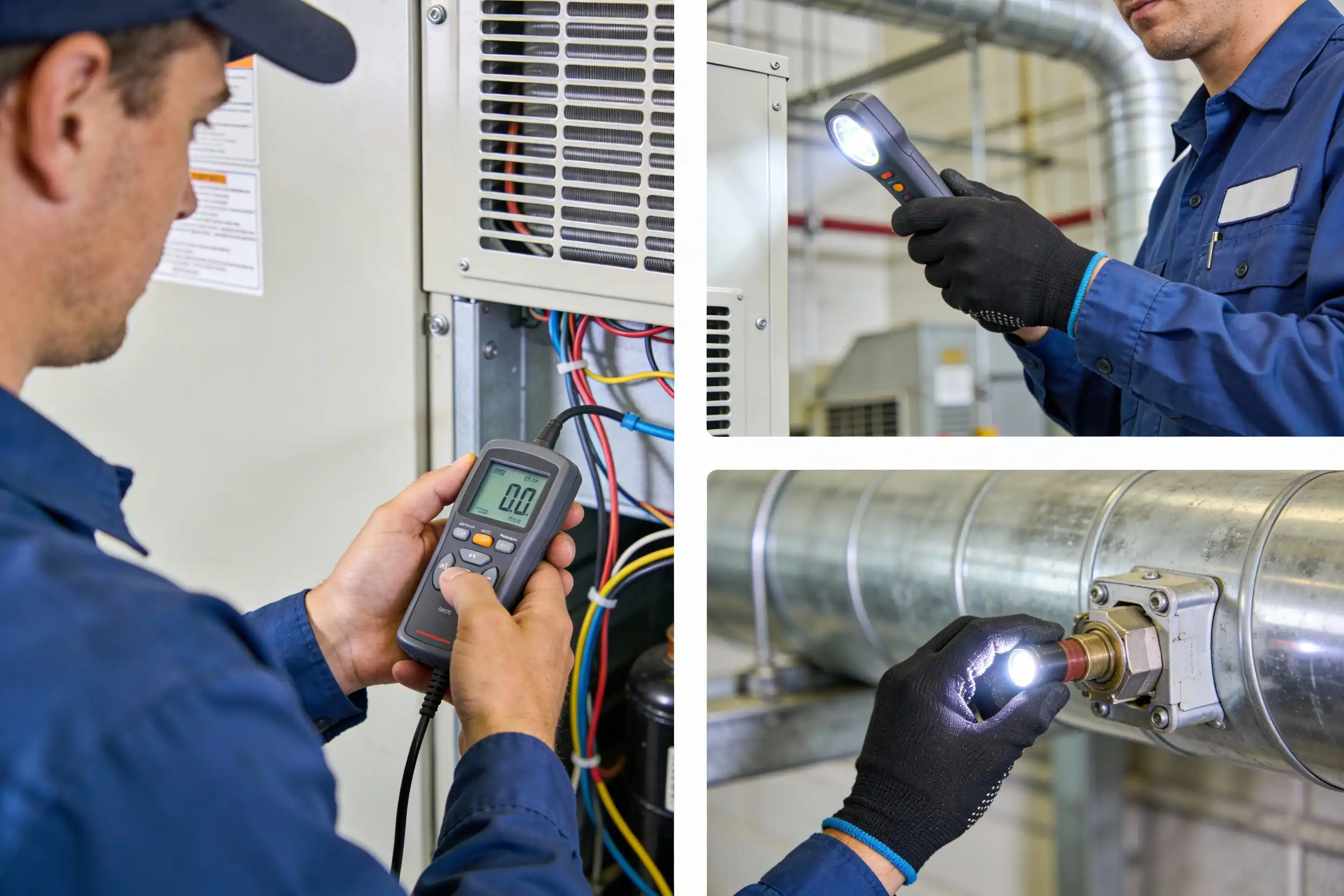
The first goal is simple: find the problems before the equipment is forced to run flat out. A pre-season inspection helps you catch worn parts, refrigerant issues, drainage problems, and control faults while the system is still operating under lighter spring conditions.
- Verify cooling capacity on rooftop units, split systems, air handlers, and chillers
- Inspect belts, motors, pulleys, bearings, and fans for wear or vibration
- Check refrigerant condition and look for signs of undercharge or leaks
- Confirm condensate drains are clear, pitched correctly, and draining properly
- Inspect electrical connections and contactors for heat damage or looseness
Documenting findings at this stage makes it easier to prioritize repairs and avoid last-minute scrambles when outdoor temperatures jump.
Need a structured approach to pre-season service? Our Maintenance Agreements are built around seasonal inspections that keep systems ready for both cooling and heating season.
3. Restore Airflow Before Peak Demand Arrives
Restricted airflow is one of the quickest ways to lose cooling performance in summer. Dirty filters, clogged coils, blocked returns, slipping belts, and duct leakage all force the system to work harder than it should. In humid Indiana weather, weak airflow also makes moisture removal much harder.
- Replace or clean air filters across all RTUs, air handlers, and make-up air units
- Clean evaporator and condenser coils to restore heat-transfer performance
- Confirm supply and return grilles are clear of furniture, racking, or stored materials
- Inspect belts and sheaves so airflow does not quietly fall off under load
- Seal obvious return or supply leaks that pull in hot, humid outdoor air
Coil condition matters more than many teams realize. If condenser coils are already dirty before summer starts, your compressors will pay for it all season long. For a deeper look at that issue, read How Dirty Condenser Coils Drive Up Summer Energy Bills.
Want to understand the cost of putting this off? Take a look at The Cost of Skipping Maintenance on Commercial HVAC Systems and how neglected cleaning turns into higher utility bills and repair costs.
4. Review Controls, Setpoints, and Schedules Before the Weather Turns
Controls that worked fine in January are not necessarily ready for July. Cooling season is when outdated schedules, bad sensor placement, poor setpoints, and hidden control faults start costing real money.
- Confirm cooling setpoints for offices, production areas, warehouses, and special-use spaces
- Adjust schedules for summer occupancy, evening crews, and extended operating hours
- Check that space sensors and thermostats are not exposed to sun, drafts, or equipment heat
- Review alarm thresholds for high temperature, humidity, and equipment faults
- Test BAS sequences tied to startup, shutdown, and occupancy transitions
This is one of the best times to tighten your strategy around schedules and deadbands. For facilities trying to improve summer control without sacrificing comfort, Facility Manager’s Guide to Summer HVAC Schedules and Setpoints and How to Reduce Utility Costs with a Smart Commercial HVAC Control Strategy are both worth reviewing.
If your building already feels expensive to cool for no clear reason, there may be a deeper control issue in play. Our article on hidden control problems that waste cooling energy goes deeper into that side of the conversation.
5. Do Not Ignore Humidity and Outdoor Air Control
In Indiana, cooling season is not just about temperature. It is also about latent load. A building can hit the thermostat setpoint and still feel damp, uncomfortable, and unstable if moisture control is weak. That is why outdoor-air settings, dehumidification strategy, and economizer performance matter so much.
- Test economizer dampers and outside-air sequences so they are not stuck open when they should not be
- Confirm humidity-related alarms and sensor readings are accurate
- Review dedicated outdoor air systems, reheat, or dehumidification components where installed
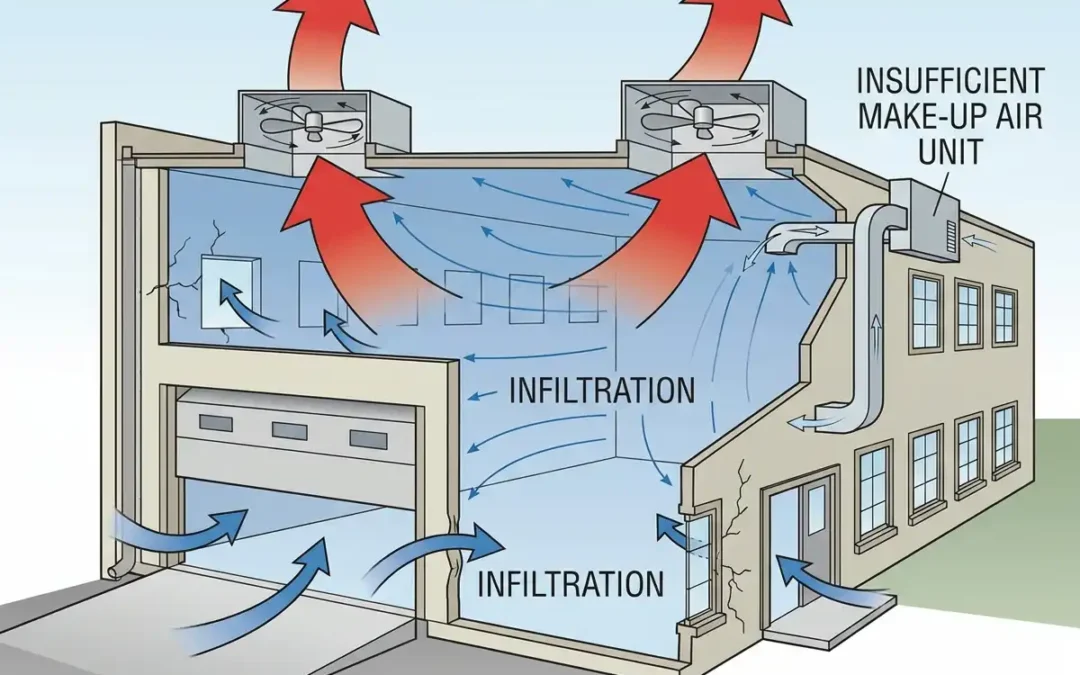
- Check the building envelope for obvious infiltration around doors, windows, and roof penetrations
A stuck damper or bad humidity sensor can quietly overwhelm the cooling coil on a humid Indiana morning. If you want to go deeper on this side of summer preparation, read How to Use Economizers to Cut Summer Cooling Costs and Summer Energy Saving Strategies for Commercial HVAC Systems.
6. Give Water-Cooled Equipment Extra Attention
If your building relies on chillers, cooling towers, or condenser-water systems, the water side deserves just as much attention as the air side. A tower or water-treatment problem can quietly drag down summer performance long before the building team recognizes the source.
- Inspect tower fill, drift eliminators, and basins for debris, scale, and biological buildup
- Verify water treatment, bleed-off, and conductivity targets are where they should be
- Check condenser-water pumps, strainers, and flow switches
- Review chiller approach temperatures and investigate performance drift early
- Evaluate chilled-water setpoints and reset strategy before demand peaks
This is also where trend data becomes useful. If your chiller or tower performance looks worse than last year, spring is the time to investigate it.
7. Fix Known Hot Spots and Repeat Complaint Areas Now
If parts of the building are already hard to cool in mild weather, they will be the first to create trouble in peak summer. Use spring to address those issues instead of overcooling the rest of the building to make one problem zone tolerable.
- Review repeat work orders and comfort complaints from last cooling season
- Identify areas with solar gain, poor airflow, internal heat load, or weak zoning
- Consider air balancing where one side of the building consistently struggles
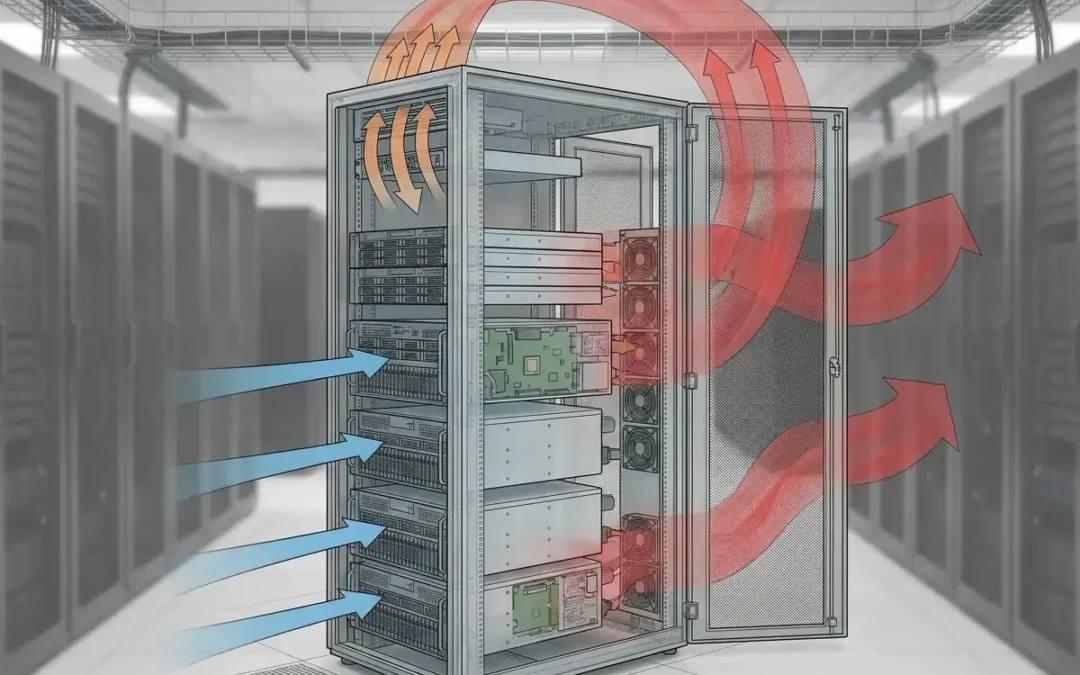
- Look at conference rooms, server rooms, process areas, and perimeter spaces separately
Hot and cold spots usually point to a larger airflow or control issue. How Poor Air Balancing Creates Hot and Cold Spots in Commercial Buildings is a strong related read here, and if zoning is part of the issue, Why Temperature Zoning Matters in Large Commercial Buildings can help frame the next step.
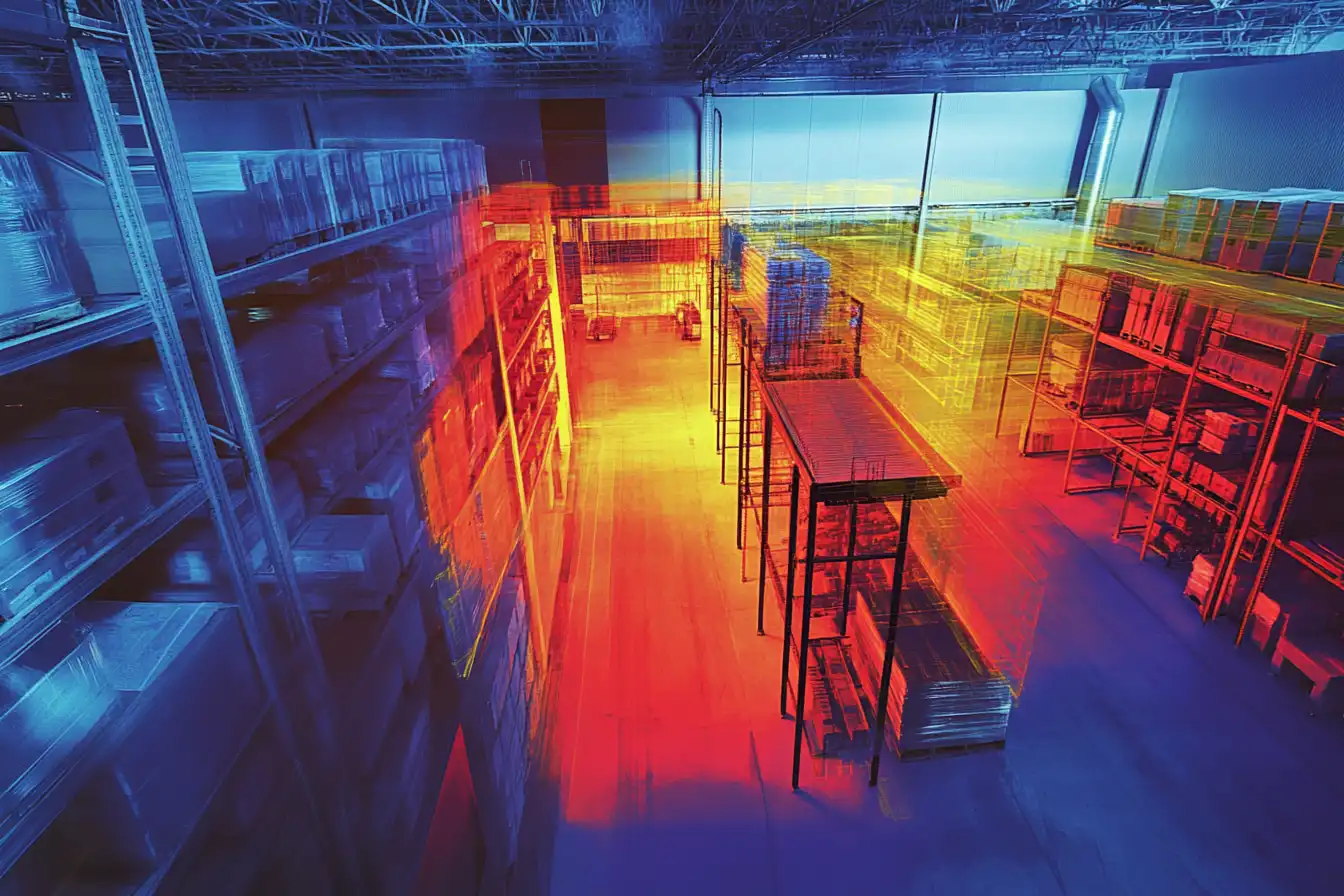
8. Pay Special Attention to Warehouses and Large Open Buildings
Warehouses and industrial spaces usually need more than a standard office-style summer tune-up. High ceilings, dock doors, stratification, and process loads make them more vulnerable to uneven temperatures and cooling instability.
- Check dock-side infiltration and door conditions before hot weather arrives
- Review airflow delivery to the occupied zone, not just the thermostat location
- Inspect destratification or HVLS fan operation if those systems are in place
- Protect any inventory or process area that cannot tolerate a loss of cooling
If that sounds like your facility, our warehouse content cluster is especially relevant here. See Warehouse HVAC Maintenance Checklist, How to Control Temperature Fluctuations in Large Warehouses, and Why HVAC Downtime Is a Risk in Warehouses and Distribution Centers.
9. Build in Severe Weather and Power Interruption Readiness
Indiana summer weather is not just hot. It also brings thunderstorms, high winds, hail, and power disturbances. Cooling-season readiness should include storm-related risk, not just mechanical prep.
- Inspect outdoor equipment for physical vulnerability and loose rooftop conditions
- Verify surge protection on major HVAC electrical panels and sensitive controls
- Test backup power, generator sequencing, and restart logic where applicable
- Make sure your team knows what happens after a power dip, outage, or emergency shutdown
For critical buildings, this is also where emergency response planning matters. Instead of linking this article into the duplicate 24/7 partner pages, I would keep this section pointed toward the stronger planning angle with What to Include in a Commercial HVAC Emergency Response Plan plus your Emergency Services page.
10. Use Summer Prep to Identify Upgrade and Replacement Priorities
Pre-season inspections should not only tell you what needs repair today. They should also reveal which systems are becoming expensive to carry into another summer. If a unit struggles every year, spring is the right time to decide whether you are still in repair territory or moving toward replacement planning.
- Flag units with recurring coil, compressor, airflow, or control issues
- Compare summer repair history against operating cost and comfort impact
- Evaluate whether upgrades like controls, VFDs, or economizer work make sense before major replacement
- Identify assets that may be better candidates for scheduled replacement than emergency changeout
This is where these related pages become valuable: 5 HVAC Upgrades That Deliver ROI for Indiana Businesses and Repair vs. Replace: How to Decide on Aging Commercial HVAC Equipment in Indiana.
Indiana Peak Cooling Prep Timeline
| Timeframe | Action |
|---|---|
| February to March | Review last summer’s issues, identify critical assets, plan inspections, and line up contractors or internal resources. |
| March to April | Complete coil cleaning, filter changes, belt checks, refrigerant review, controls testing, and economizer inspection. |
| April | Finish water-side startup, tower cleaning, chiller checks, and any deferred corrective work. |
| Late April to Early May | Test BAS alarms, startup sequences, humidity strategy, and emergency procedures before sustained heat arrives. |
| May to September | Monitor filter loading, energy use, comfort complaints, condenser approach, and any recurring weak zones. |
| October | Review what worked, what failed, and which repairs or upgrades should be handled before next cooling season. |
Frequently Asked Questions
When should we start preparing our commercial HVAC system for summer?
Most Indiana facilities benefit from starting cooling prep in late winter or early spring. That gives the building team time to inspect equipment, order parts, and complete repairs before the first sustained heat wave hits.
Is a pre-season inspection really necessary if everything seems fine?
Yes. Many problems, including dirty coils, low refrigerant levels, worn belts, weak economizer operation, and poor drainage, do not show up as obvious failures until the equipment is under real summer load.
How does preparation differ for warehouses and large industrial spaces?
High ceilings, loading docks, stratification, and process heat make warehouses more vulnerable to uneven temperatures and cooling loss. In addition to standard HVAC checks, these facilities often need airflow adjustments, fan strategy, zoning review, and stronger contingency planning.
Can a maintenance agreement cover both cooling and heating season prep?
Absolutely. Our Maintenance Agreements are structured around the full annual cycle so your systems are supported through cooling season, heating season, and the transition periods between them.
Go Into Cooling Season With a Plan, Not a Gamble
Peak cooling season puts every weakness in your HVAC system under a spotlight. With the right prep, you can turn summer into a more predictable operating period instead of a series of emergency calls, rising utility bills, and repeat comfort complaints.
Choice Mechanical Services partners with commercial facilities across Indianapolis and Central Indiana to get systems ready before the heat hits and to support them throughout the season with maintenance, repairs, and strategic planning.
Contact us today to schedule a pre-season HVAC review and make sure your building is ready for the next Indiana summer.