What to Include in a Commercial HVAC Emergency Response Plan
When a major HVAC system goes down in a large facility, the clock starts ticking. Temperatures rise or fall, production slows, and people begin to feel the impact almost immediately. Without a clear commercial HVAC emergency response plan, every outage turns into improvisation instead of a coordinated response.
For facility managers in Indianapolis and across Central Indiana, a written plan helps protect workers, inventory, and equipment when something fails at the worst possible time. It also gives your team and your HVAC contractor a shared playbook, so decisions happen quickly and with less confusion.
Need a partner that can support your plan 24/7? Choice Mechanical Services provides round-the-clock commercial HVAC emergency service for facilities throughout Central Indiana.

1. Clear Definitions of What Counts as an HVAC Emergency
The plan should start with simple language that defines what your facility considers an HVAC emergency. If everyone has a different idea of what qualifies, response will always be slow and inconsistent.
- Loss of heating during severe Indiana cold that affects working conditions
- Loss of cooling during high heat that impacts people, equipment, or inventory
- Chiller or boiler failure that stops production, process cooling, or building heat
- Ventilation or exhaust failures in kitchens, labs, or industrial areas
- Temperature problems in walk ins, data rooms, or other critical spaces
These examples should be documented in your plan and reviewed with supervisors and on site staff, so they know when to activate emergency procedures instead of waiting it out.
Want to see how critical outages play out in real life? Read our articles on HVAC downtime in warehouses and distribution centers and why HVAC breakdowns are a restaurant’s worst case scenario, then fold those lessons into your own definitions.
2. A Map of Critical Systems and High Priority Areas
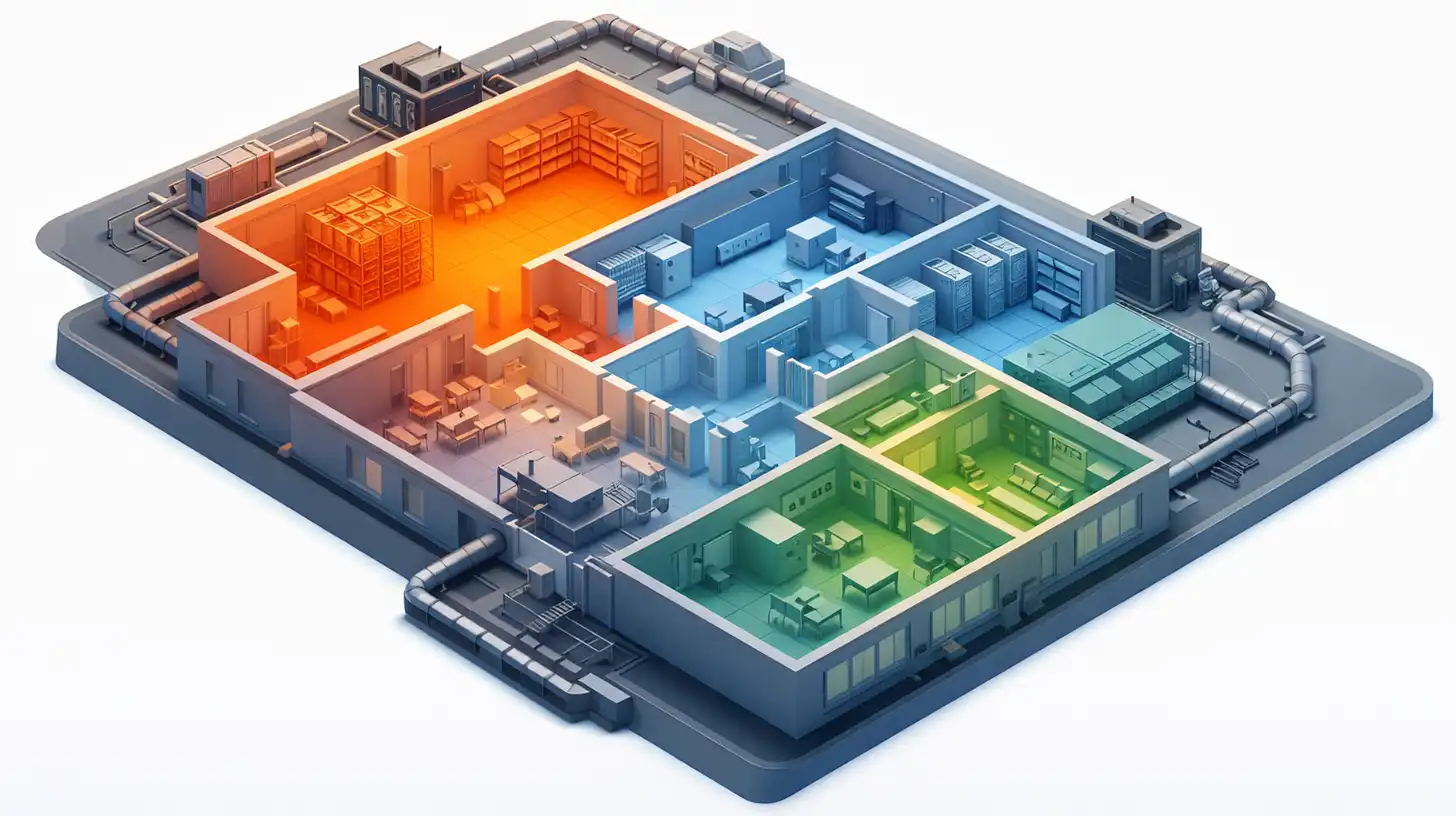
In a large building or campus, not every space carries the same risk. Your plan should identify which systems and zones matter most if something fails. This helps both your internal team and your HVAC contractor move in the right order when time is tight.
- List major equipment such as chillers, boilers, rooftop units, air handlers, and makeup air units
- Note which units serve production areas, kitchens, data rooms, or medical spaces
- Highlight zones with temperature sensitive inventory or strict comfort requirements
- Include basic access details such as roof access points, mechanical rooms, and locked areas
Even a simple table or floor plan markup can make a big difference when a technician arrives at 2 a.m. and needs to find the right piece of equipment quickly.
Not sure where to start with your infrastructure map? Our team can help. See how we approach system reliability in How to Build a Reliable HVAC Infrastructure for Your Commercial Facility, then reach out to schedule a walkthrough.
3. Contact Lists and Escalation Paths
During an emergency, hunting for phone numbers wastes valuable time. Your HVAC emergency response plan should state exactly who is contacted, in what order, and how.
- Primary and backup facility contacts with direct phone numbers
- After hours contact details for facility management or on call personnel
- Emergency contact information for your HVAC contractor and other key vendors
- Guidelines for when to notify operations leadership, property owners, or tenants
This section should be easy to read, not buried in a long document. Many facilities keep a printed copy near security desks, in control rooms, and in key mechanical spaces so it is never more than a few steps away.
Ready to add a dedicated HVAC partner to that list? Include Choice Mechanical’s 24/7 emergency service as your first call when a critical system fails in Indianapolis or the surrounding area.

4. A 24/7 Commercial HVAC Partner That Knows Your Facility
A written plan is only effective if you have the right people backing it up. Relying on a contractor that only works standard business hours leaves a gap exactly when many failures tend to happen: nights, weekends, and holidays.
- Confirm that your contractor provides true 24/7/365 emergency coverage for commercial clients
- Share your equipment list so they know what you are running – boilers, chillers, rooftop units, controls, and more
- Discuss expectations around response times for different locations and scenarios
- Review safety protocols, site access rules, and any special training requirements before an emergency occurs
When you already work together on planned service, your contractor arrives familiar with your systems instead of learning them for the first time during a crisis.
If you do not have a formal partner yet, read Why Every Facility Needs a 24/7 Commercial HVAC Emergency Partner, then visit our Emergency Services page to see how we support commercial facilities across Central Indiana.
5. Preventative Maintenance Built Into the Emergency Plan
Most serious HVAC emergencies start as smaller issues that went unnoticed or unfixed. Your response plan should connect directly to your maintenance program, not sit apart from it. The goal is to reduce both the number and severity of emergencies over time.
- Flag critical equipment that requires more frequent inspections or seasonal checks
- Use routine visits to verify alarms, safeties, and controls that support emergency response
- Track patterns in breakdowns and address root causes instead of only symptoms
- Plan replacements for aging chillers, boilers, and rooftop units before they fail under load
For large sites, maintenance agreements often cost less than a few major emergency events that could have been prevented with consistent care.
Want a structured way to tie maintenance and emergency planning together? Review The Cost of Skipping Maintenance on Commercial HVAC Systems and learn how our Maintenance Agreements support uptime and emergency readiness.
6. Safety, OSHA, and Indoor Environment Considerations
HVAC failures are not only a comfort issue. In some facilities they can quickly become a safety or compliance problem. Your plan should spell out the steps you will take if conditions become unsafe for workers or visitors.
- Define temperature and air quality thresholds that trigger work restrictions or relocation
- Assign responsibility for monitoring indoor conditions during an event
- Outline when incidents must be documented for OSHA recordkeeping
- Coordinate with your safety team so HVAC procedures align with broader emergency policies
This is especially important for warehouses, production environments, healthcare spaces, and food facilities where a few degrees can affect safety, product quality, or regulatory status.
If OSHA risk is a concern in your building, see How HVAC Failure Can Jeopardize OSHA Compliance in Commercial Facilities and consider how similar scenarios could play out in your operation.
7. Training, Drills, and Plan Reviews
A plan that lives on a shared drive and never gets discussed will not help much when a chiller trips offline in the middle of a heat wave. Your response steps should be simple enough to teach and sturdy enough to hold up under pressure.
- Review the plan with facility teams, supervisors, and on call staff at least once a year
- Walk through a tabletop scenario such as a boiler failure during extreme cold
- Make sure staff know basic shutdown procedures and who to contact before they take action
- Update the plan after real incidents or drills so it reflects what actually works
Even short training sessions help people stay calm and follow the right steps instead of making guesses during an outage.
Not sure if your current plan is realistic? Connect with Choice Mechanical Services and we can review your procedures alongside your actual HVAC infrastructure and risk points.
Be Ready Before the Next HVAC Emergency
No facility can eliminate every mechanical failure, but you can decide how prepared you want to be when one hits. A practical commercial HVAC emergency response plan gives your team clear steps to follow, supports safety and compliance, and shortens the path from outage to recovery.
Choice Mechanical Services provides 24/7 commercial HVAC emergency support for businesses in Indianapolis and Central Indiana and can help you turn a rough outline into a workable plan.
Contact us today to review your current approach and put a stronger HVAC emergency strategy in place for your facility.
Frequently Asked Questions
Who should own the HVAC emergency response plan?
Most facilities assign ownership to the facility manager or director of operations, with input from safety, security, and your commercial HVAC contractor. The plan should be shared broadly, but someone needs to be responsible for keeping it current.
How often should the plan be updated?
At minimum, review it once a year. You should also update the plan after major equipment changes, building renovations, or any significant HVAC emergency that reveals gaps in the current process.
Does an emergency response plan replace regular maintenance?
No. The two work together. A strong maintenance program makes emergencies less likely. A clear response plan makes the ones that do happen easier to manage.
Can Choice Mechanical help us build or refine our plan?
Yes. We work with commercial and industrial facilities across Indianapolis and Central Indiana to align emergency procedures with actual HVAC and mechanical systems, including HVAC-R equipment, boilers, chillers, and piping and plumbing infrastructure.