How HVAC Failure Can Jeopardize OSHA Compliance in Commercial Facilities
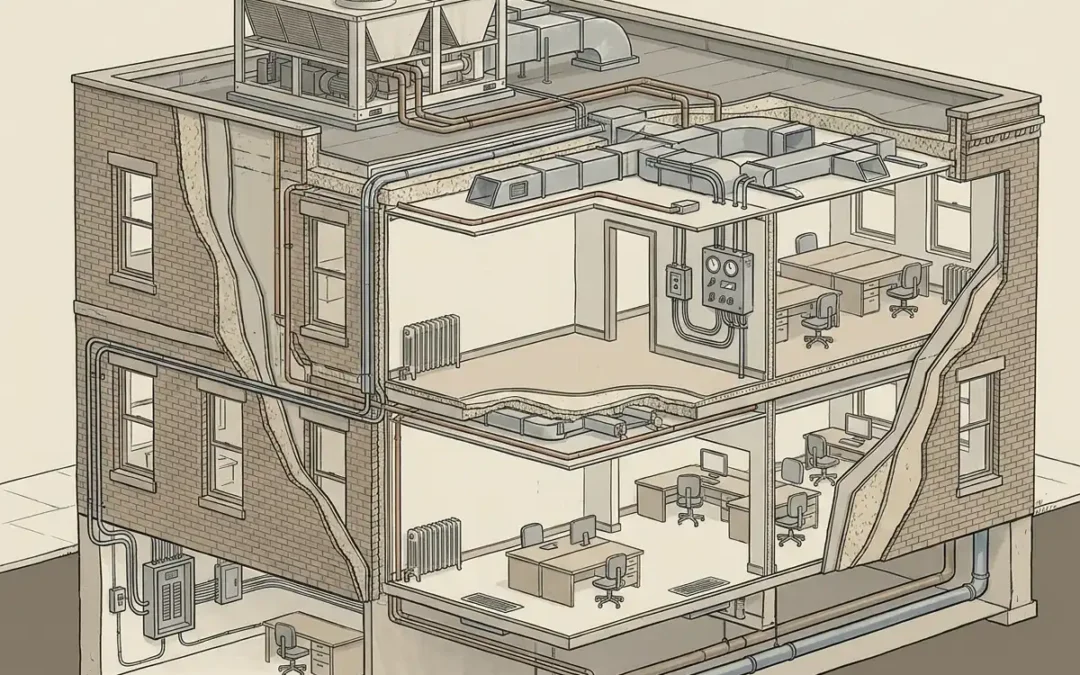
When facility managers think about OSHA compliance, HVAC systems often are not the first thing they think about. They should be. Heating, ventilation, and air conditioning systems directly affect indoor air quality, temperature stability, humidity control, and the safe movement of air through a commercial building. When those systems fail, the issue is no longer just comfort. It can become a worker safety problem, a documentation problem, and in some cases an OSHA problem.
That is because HVAC failure can create what OSHA considers a recognized hazard. Poor ventilation, heat buildup, airborne contaminants, and certain mechanical failures can all push a facility out of a safe operating condition. For commercial buildings in Indianapolis and Central Indiana, understanding how HVAC system failure can jeopardize OSHA compliance is an important part of protecting both operations and the people inside the building.
Need emergency HVAC support to help keep your facility protected? We provide 24/7 commercial HVAC emergency services across Indianapolis and Central Indiana.
1. HVAC Failure Can Create a Recognized Hazard Under OSHA’s General Duty Clause
OSHA’s General Duty Clause requires employers to provide a workplace free from recognized hazards that are causing or are likely to cause serious harm. HVAC problems can fall directly into that conversation when they create unsafe heat, poor air quality, excess humidity, or other environmental conditions that put workers at risk.
- Loss of cooling can contribute to dangerous indoor heat conditions
- Loss of ventilation can allow contaminants and stale air to build up
- Humidity drift can contribute to mold, condensation, and air quality issues
- Mechanical failures can create secondary physical and electrical hazards
OSHA does not assign one universal temperature limit for all buildings, but it does recommend maintaining indoor conditions in a range around 68°F to 76°F for comfort and safe operation. Once the building drifts far outside stable, safe conditions, especially in active work environments, the HVAC issue starts looking like more than a maintenance inconvenience.
2. Poor Ventilation Is One of the Most Common IAQ Problems
OSHA’s own indoor air quality investigations found that inadequate ventilation was the top cause in roughly 52% of indoor air problems. That matters because HVAC systems are the backbone of ventilation in most commercial facilities.
- Outdoor air dampers that fail or stay closed reduce fresh air exchange
- Dirty filters and coils reduce airflow and weaken system performance
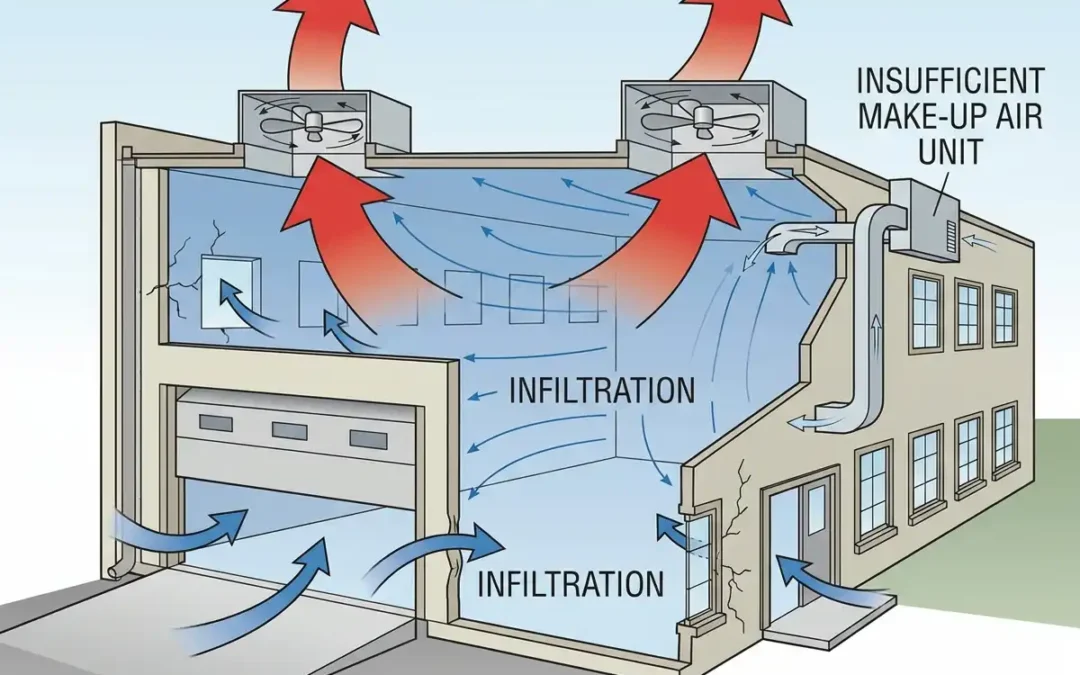
- Failed fans, clogged ducts, or bad controls can leave parts of the building under-ventilated
- Poor ventilation can worsen exposure to dust, fumes, vapors, and CO2 buildup
ASHRAE guidance is often used as the practical benchmark here. For many office environments, ventilation rates in the range of 15 to 20 CFM per person are part of the standard conversation. If the HVAC system cannot support that kind of outdoor air delivery, the building may be setting itself up for complaints, reduced productivity, and possible OSHA scrutiny when air quality issues show up.
This is especially important in facilities that handle chemicals, welding fumes, process dust, battery charging, or high occupant density. In those spaces, HVAC is not just moving air. It is part of the exposure control strategy.
Our commercial maintenance agreements are designed to keep ventilation systems, dampers, filters, coils, and controls working the way they should.
3. Air Contaminants and Respiratory Risks Can Escalate Fast When HVAC Fails
Once ventilation drops off, the building loses one of its main defenses against airborne contaminants. That is where HVAC failure starts intersecting more directly with 29 CFR 1910.1000 on air contaminants and 1910.134 on respiratory protection.
- Dust, solvent vapors, fumes, and combustion byproducts can accumulate when air exchange is weak
- Improperly vented work areas can expose employees to contaminants above acceptable levels
- Humidity and stagnant air can make respiratory discomfort and IAQ complaints more severe
- Buildings with process loads face a much higher risk when ventilation drifts out of spec
Even in facilities without obvious industrial exposure, HVAC failure can still create real IAQ problems. Mold-supporting moisture, stale air, and pressure imbalances can all increase complaints and increase the chance of a formal safety concern being raised.
4. Heat Stress Is Not Just an Outdoor Problem
OSHA’s own heat case examples make it clear that heat illness is not limited to outdoor crews. One documented case involved a foundry worker who died of heat stroke after prolonged exposure to high indoor heat. That matters because many commercial facilities assume indoor work is automatically safer from a heat standpoint, even when ventilation and cooling are weak.
- Warehouses, manufacturing spaces, and older buildings can become dangerously hot during HVAC failure
- High humidity makes indoor heat more stressful on workers
- Fatigue, dehydration, slowed reaction time, and heat illness risk all rise when temperatures climb
- Facilities can face both worker safety exposure and recordkeeping obligations if illness occurs
This is one reason HVAC reliability matters so much in warehouses and industrial spaces. If cooling fails during a hot stretch, the building may move from uncomfortable to unsafe much faster than leadership expects. If an employee suffers a heat-related illness tied to building conditions, that may also become an OSHA 300 log issue.
If your facility includes larger open spaces or temperature-sensitive operations, read why HVAC downtime is such a serious warehouse risk.
Need fast help restoring safe indoor conditions? Our team is available 24/7.
5. Mechanical HVAC Failures Can Trigger Secondary Safety Violations
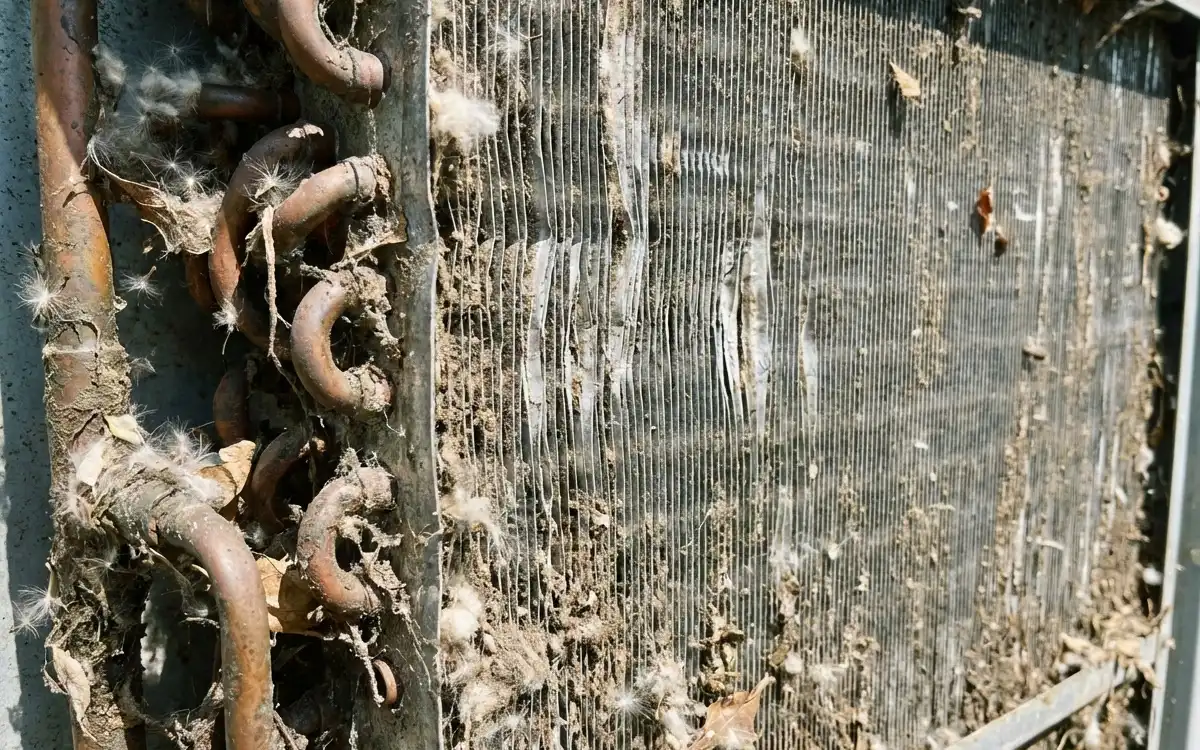
HVAC compliance risk is not limited to temperature and air quality. A failing mechanical system can also create physical hazards that raise separate OSHA concerns.
- Loose belts, worn fan assemblies, and missing guards can create injury risks
- Electrical failures can lead to shorts, overheating, or fire exposure
- Combustion failures can contribute to carbon monoxide or burner safety issues
- Improper servicing can raise Lockout/Tagout concerns during maintenance or emergency repair
This is where deferred maintenance becomes especially dangerous. The system is not just less efficient. It may be moving closer to a condition that exposes workers or contractors to a preventable hazard.
That is one reason ASHRAE Standard 180 matters so much. Consistent inspection and servicing reduce the chance that small mechanical problems turn into safety events.
Learn more about the financial risk of skipping HVAC maintenance, then let’s talk about reducing the safety risk too.
6. Documentation Matters More Than Most Facilities Realize
If HVAC failure contributes to illness, exposure, or unsafe conditions, documentation becomes extremely important. Facilities need more than a service invoice. They need maintenance logs, repair history, alarm records, and evidence of response.
- Heat-related illness, carbon monoxide exposure, or other HVAC-related incidents may need to be recorded on OSHA forms
- Maintenance logs help show whether the equipment was being serviced consistently
- Emergency repair records help establish how fast the facility responded
- Trend logs and alarm history help support root-cause analysis after a failure
Without that documentation, it becomes harder to defend the building’s actions after something goes wrong. It also becomes harder to prove that the facility was taking reasonable steps to maintain safe working conditions.
7. Different Facility Types Carry Different OSHA and Business Risk
HVAC failure hits different facility types in different ways, and that changes the compliance conversation.
- Manufacturing facilities: More exposure to dust, fumes, process heat, and ventilation-dependent work areas
- Healthcare spaces: Stronger expectations around ventilation, pressure relationships, and environmental control
- Warehouses: Greater risk of heat buildup, poor airflow, and worker strain in large open spaces
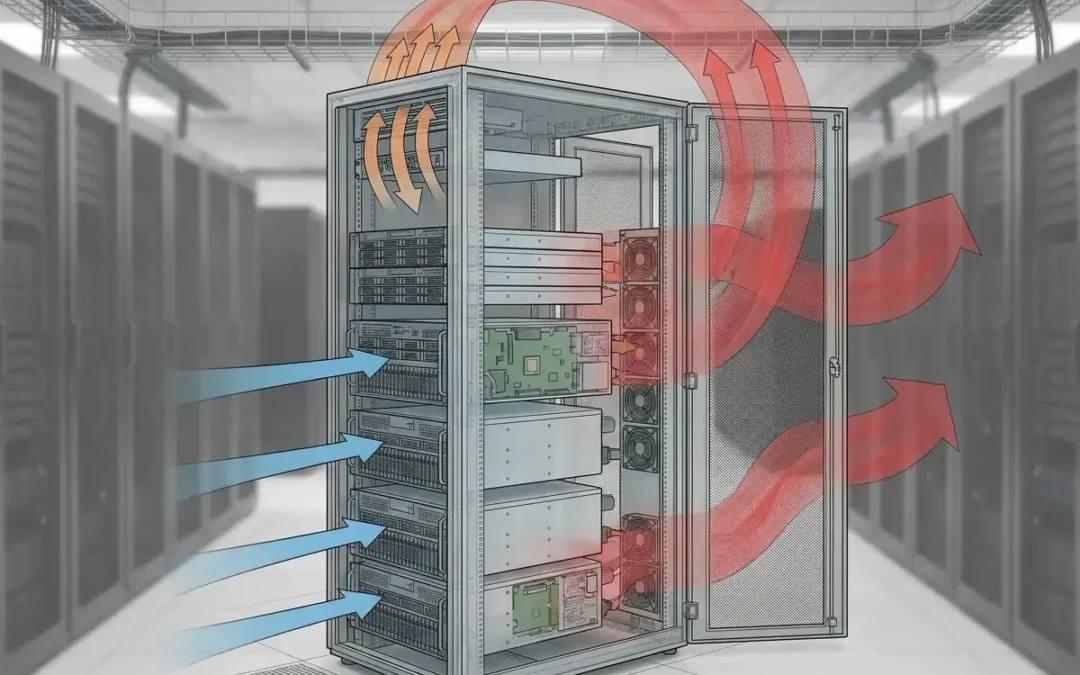
- Data centers: Cooling failures can create major business losses. Cooling-related failures drive about 20% of outages with event costs that can reach into the hundreds of thousands of dollars
- Labs and technical spaces: Stronger dependence on controlled airflow, exhaust, and contamination management
That matters because the right maintenance and emergency strategy should reflect the building’s actual risk profile. The same response plan that works for a standard office building may not be nearly enough for a manufacturing site, a healthcare facility, or a data-sensitive environment.
8. OSHA Risk Drops When Monitoring, Maintenance, and Emergency Response Work Together
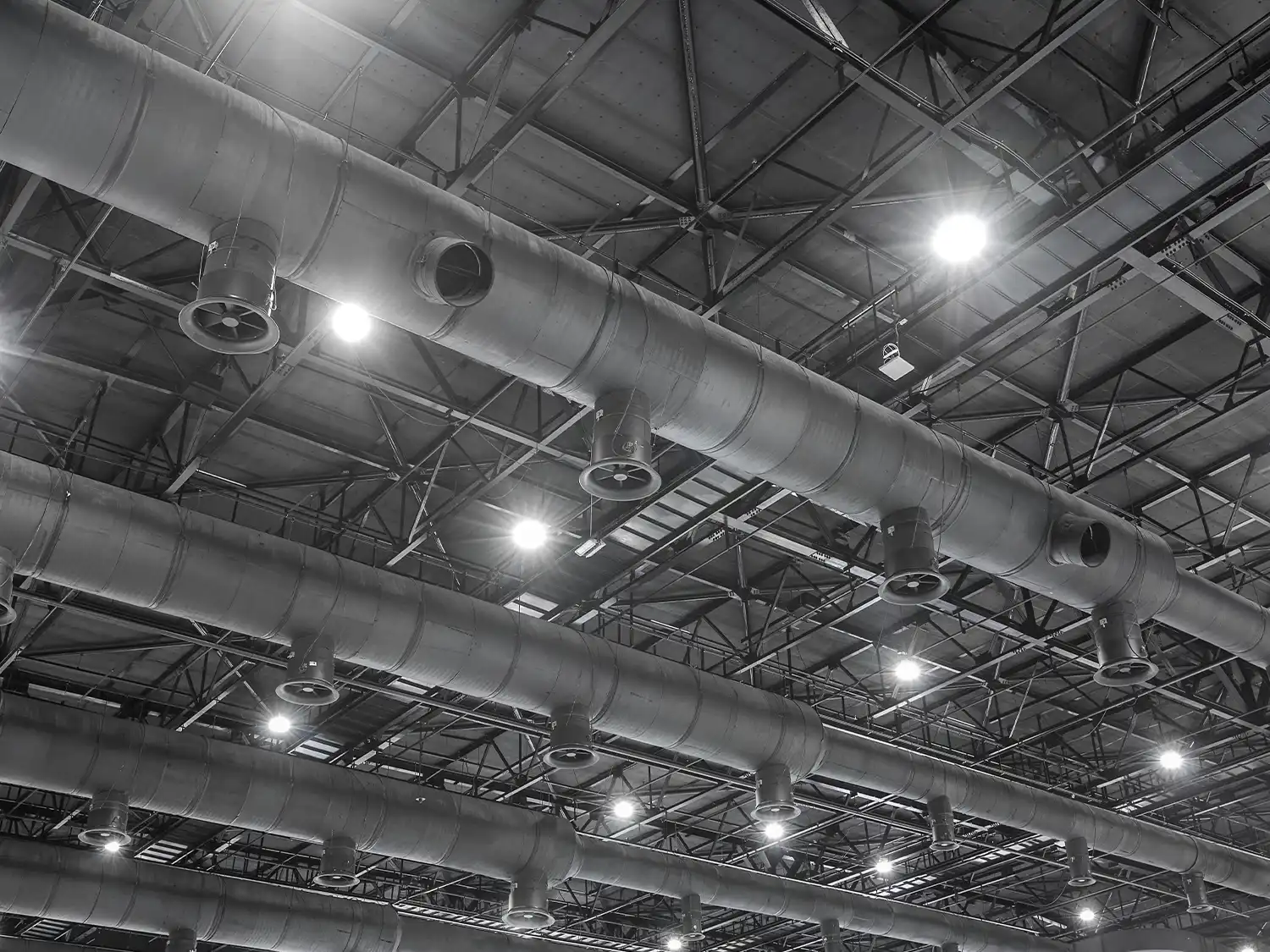
Facilities reduce OSHA and operational risk when they combine preventive maintenance, monitoring, and real emergency response. Any one of those by itself is incomplete.
- Preventive maintenance helps align service with ASHRAE 180-style discipline
- Monitoring through BMS alerts or sensors helps catch failures earlier
- Documented emergency response helps shorten unsafe exposure time
- Clear escalation paths make response more organized and easier to defend later
That is why a 24/7 emergency plan matters. If the system fails after hours and the building has no real response path, the risk window stays open longer. A contractor that already knows the building, the equipment, and the critical zones can respond faster and more effectively than a cold call made in the middle of the night.
You may also want to read why every facility needs a 24/7 HVAC emergency partner to see how that planning reduces both operational and compliance risk.
Frequently Asked Questions
Can HVAC failure really trigger OSHA problems?
Yes. HVAC failure can contribute to unsafe temperatures, inadequate ventilation, indoor air quality issues, airborne contaminant exposure, and mechanical hazards, all of which can become OSHA concerns depending on the environment and the severity of the event.
What are the most common HVAC-related OSHA risks?
Poor ventilation, heat stress, air contaminant buildup, humidity-related IAQ issues, carbon monoxide exposure, electrical hazards, and documentation failures after an incident are some of the most common risks.
What documentation should facilities keep?
Keep maintenance logs, emergency repair records, service reports, alarm history, inspection records, and notes tied to any HVAC-related safety complaint or illness. Those records are valuable for both operational review and compliance support.
Does Choice Mechanical provide HVAC service that helps support compliance efforts?
Yes. We provide preventative maintenance, detailed service documentation, and 24/7 emergency response for commercial and industrial facilities across Indianapolis and Central Indiana.
HVAC Failure Is a Safety and Compliance Risk, Not Just a Comfort Problem
HVAC failure can affect much more than indoor comfort. It can reduce ventilation, worsen airborne exposures, create unsafe heat conditions, increase mechanical risk, and leave a facility scrambling to prove what happened and how it responded. Maintenance, monitoring, and fast emergency response are all part of a serious OSHA risk-management strategy.
With Choice Mechanical Services as your commercial HVAC partner, you have access to preventative maintenance, detailed service records, and 24/7 emergency response that help support safer, more stable operations.
Contact us today to build a custom maintenance and response plan that helps protect your facility from unexpected downtime and compliance risk.