Repair vs. Replace: How to Decide on Aging Commercial HVAC Equipment in Indiana
Every facility manager eventually faces the same question: do we keep repairing this aging HVAC equipment, or is it time to replace it? Constant service calls, rising utility bills, and comfort complaints can make the decision feel urgent, but rushing into a replacement can be just as costly as hanging on too long.
For commercial facilities in Indianapolis and across Central Indiana, the right choice comes from looking at risk, operating cost, and long term plans together, not in isolation.
Not sure which direction to go? Choice Mechanical Services provides commercial HVAC-R evaluations to help you compare repair and replacement options for your building.
1. Start With the True Cost of Downtime
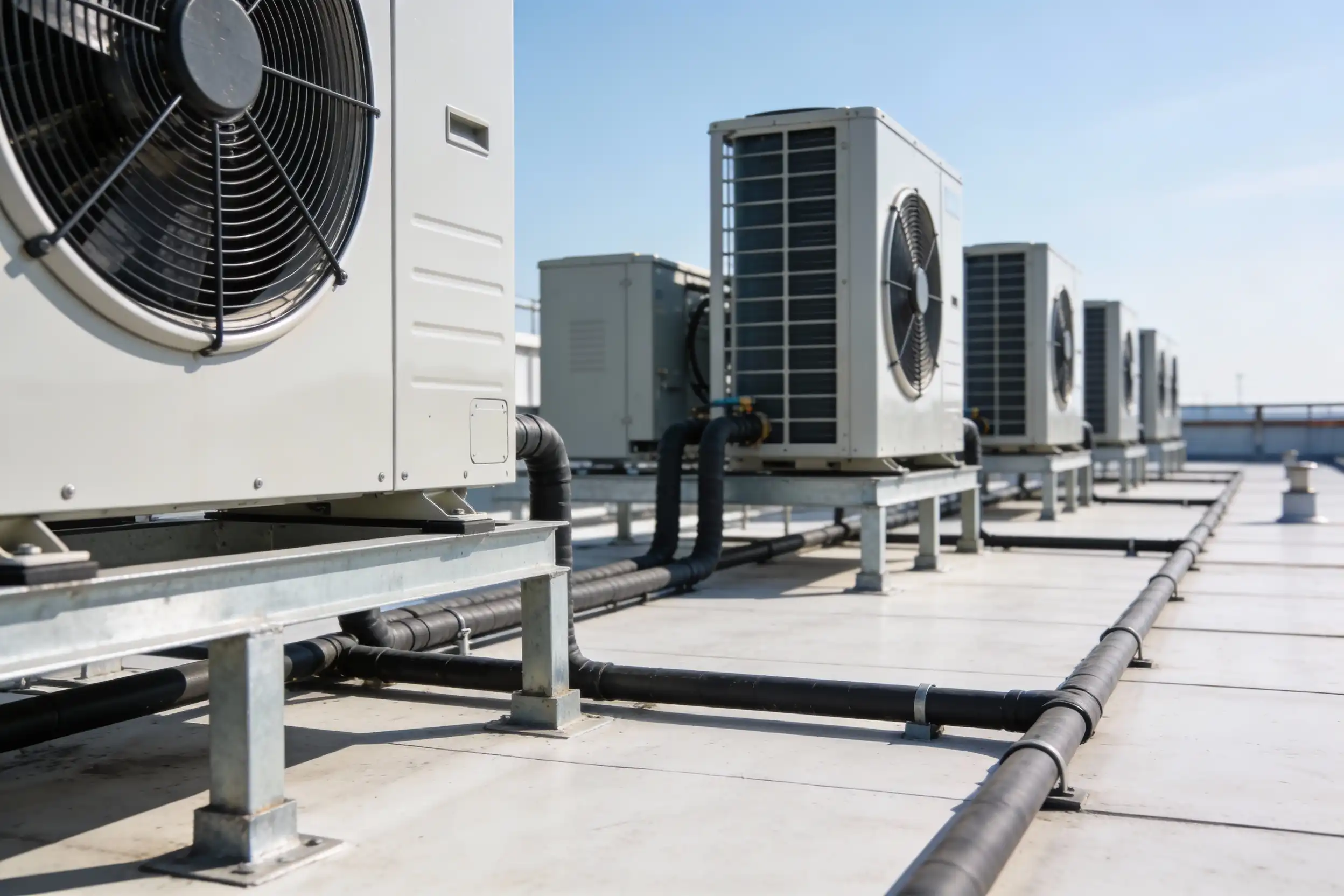
Before you look at bids, look at risk. An older rooftop unit, boiler, or chiller might still be running, but if it fails at the wrong time, the impact can be much larger than the repair bill itself. Production delays, tenant complaints, and safety concerns all add up.
- How many hours of downtime would it take before you lose revenue or disrupt operations?
- Which areas of the building are at risk if a system fails: offices, warehouses, kitchens, labs, or data rooms?
- Do you already have backup systems or is this equipment fully critical?
For high risk environments like warehouses, distribution centers, and restaurants, even a single failure can cause major disruption. In those cases, replacement or redundancy may be more cost effective than repeated emergency repairs.
Need help understanding your downtime risk? Our article on why HVAC downtime is a risk in warehouses and distribution centers and our piece on restaurant HVAC breakdowns can help you frame the conversation for your own facility. You can also reach out to our team for a system risk review.
2. Evaluate Age, Condition, and Type of Equipment
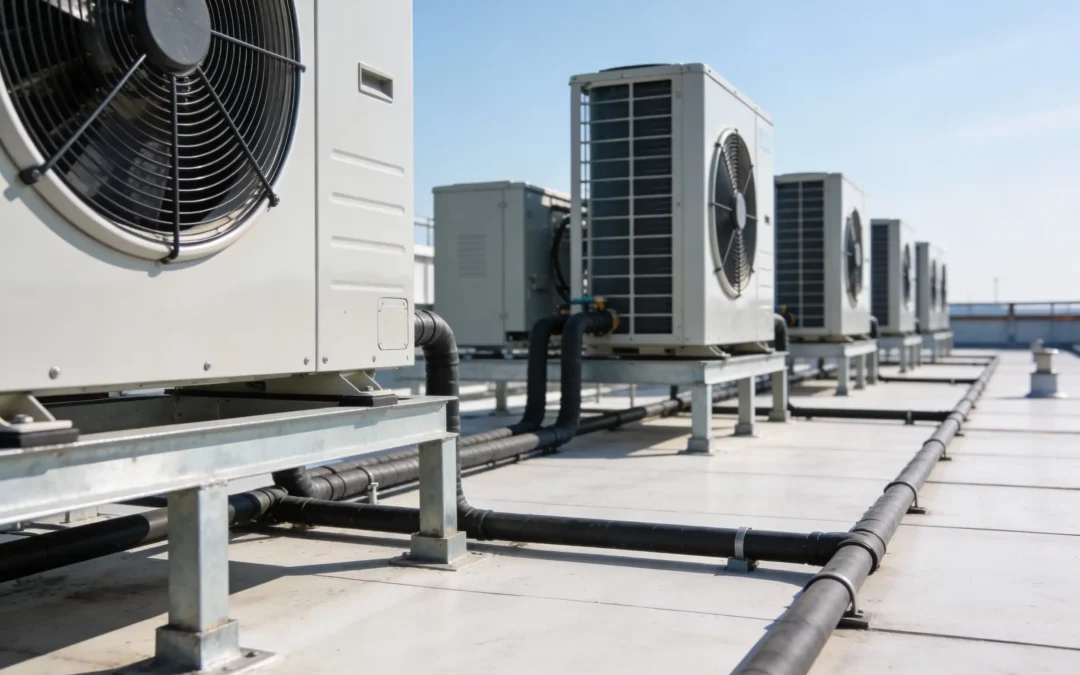
Age is important, but it is only one piece of the puzzle. A well maintained 15 year old unit is very different from a neglected 10 year old unit that has had constant issues. The type of equipment also matters, since boilers, chillers, and rooftop units have different lifespans and roles in your building.
- Document the age and model of each major unit: boilers, chillers, rooftop units, and air handlers
- Note any recurring issues such as lockouts, leaks, or nuisance alarms
- Look at the overall condition of the equipment, controls, and surrounding piping
- Consider how critical each unit is to safety, comfort, or production
Equipment that is both old and unreliable often belongs in a replacement discussion. Systems that are older but stable may still be good candidates for targeted repairs and better maintenance.
Want a clear picture of your mechanical inventory? Our HVAC-R Services team can survey your equipment and help you understand which assets are approaching end of life and which still have room to run.
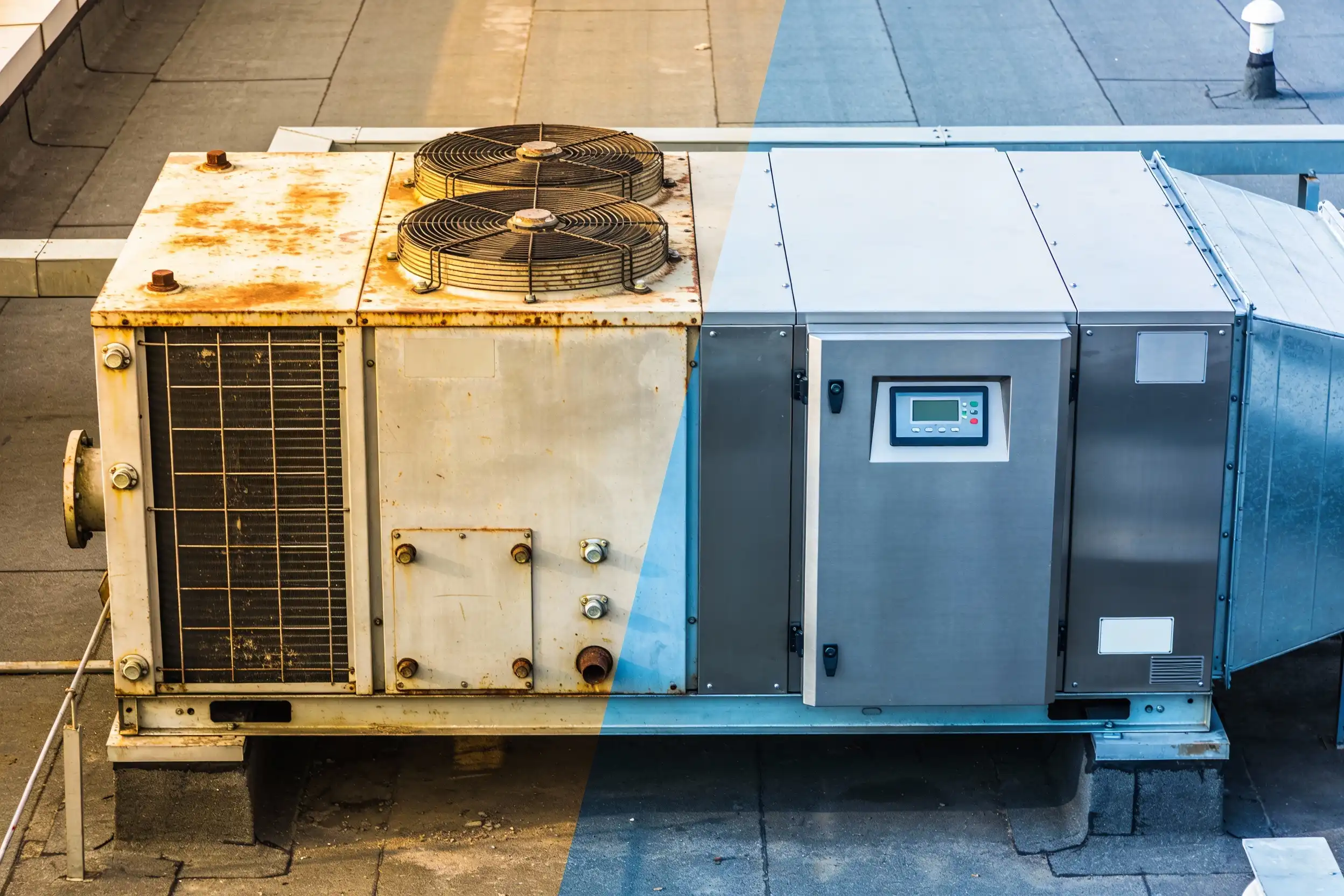
3. Look at Repair History and Maintenance Records
If you are trying to decide between repair and replacement, your service history is one of the most useful tools you have. Frequent emergency calls and patchwork fixes can show that an asset is costing more than it is worth.
- Review how often each unit has required repairs over the past 2 to 3 years
- Add up the total cost of parts, labor, and after hours calls for that equipment
- Note which failures impacted operations or tenant comfort
- Check whether the equipment has been under a consistent maintenance plan
Units with a long list of emergency calls and band aid repairs are often better candidates for replacement. On the other hand, if maintenance has been inconsistent, it may be worth stabilizing the system first before you decide.
Not sure how much neglect has already cost you? Take a look at our article on the cost of skipping maintenance on commercial HVAC systems, then consider whether a formal Maintenance Agreement could extend the life of your equipment.
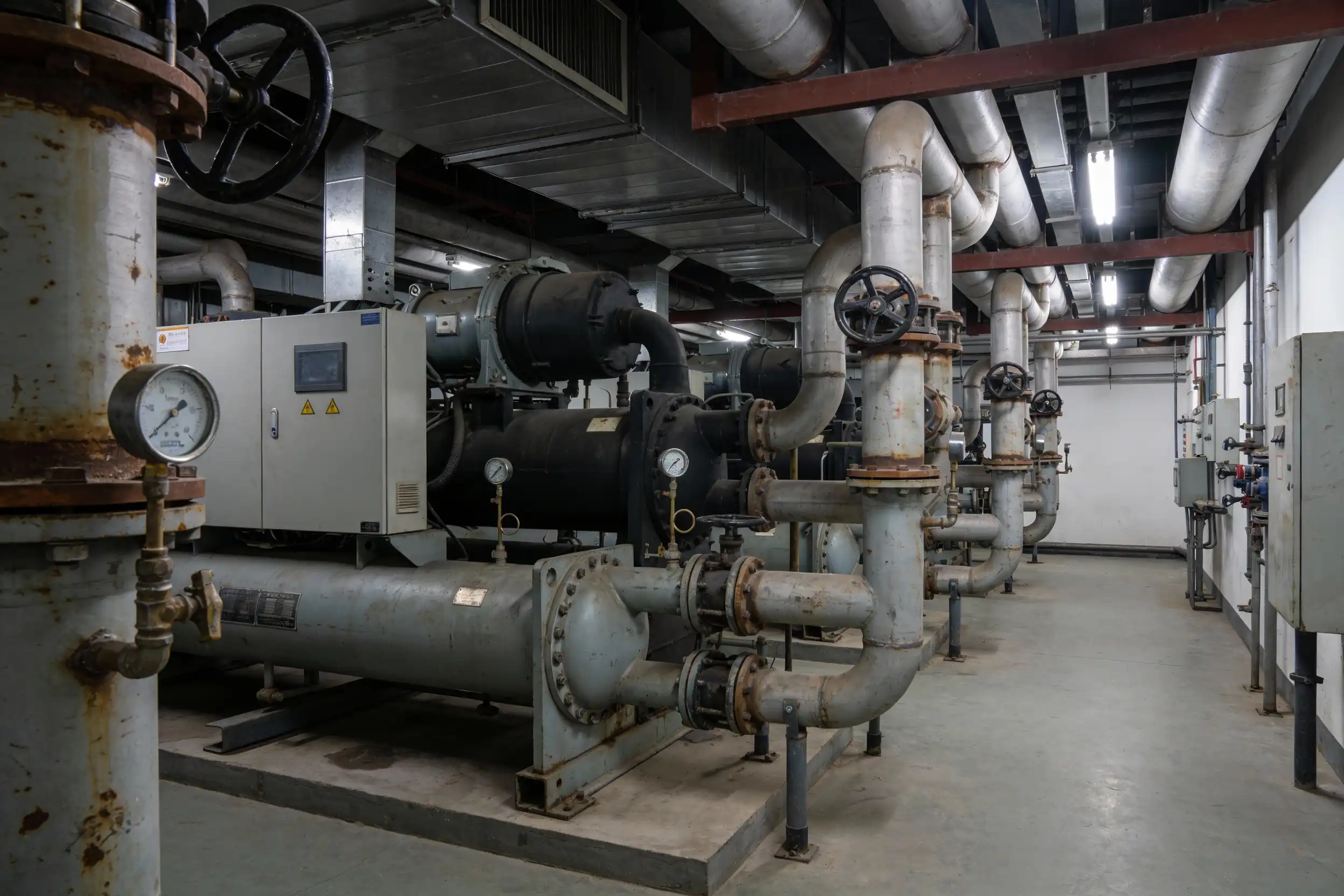
4. Compare Operating Costs and Energy Efficiency
Older HVAC equipment usually uses more energy than newer high efficiency models. If your utility bills have climbed even though your usage has stayed the same, aging units may be a big part of the problem.
- Track energy use over several seasons and compare it to prior years
- Identify which systems run the most hours and carry the largest loads
- Review manufacturer efficiency ratings against current standards
- Consider potential savings from newer technology, better controls, and right sizing
In many cases, the payback from lower utility bills and reduced emergency service can justify replacement, especially for large boilers, chillers, or constantly running rooftop units.
Looking for ideas that pay off quickly? Our guide on HVAC upgrades that deliver fast ROI for Indiana businesses outlines improvements that can be tied to both repair and replacement decisions. You can also contact us to run through options for your specific equipment.
5. Consider Comfort, Air Quality, and Safety Impacts
Mechanical decisions are not just about numbers on a spreadsheet. Occupant comfort, indoor air quality, and safety all play into the repair vs. replace conversation. Chronic hot and cold spots, drafts, or poor ventilation are often signs that a system is no longer performing the way it should.
- Document recurring comfort complaints and which zones they come from
- Note any indoor air quality issues such as stuffy rooms or lingering odors
- Consider whether equipment failures could affect OSHA or health code compliance
- Look at how closely your building can hold temperature and humidity under load
If existing equipment makes it difficult to maintain safe and comfortable conditions, replacement or a deeper system redesign may be the best long term answer.
Concerned about compliance and worker safety? Our article on how HVAC failure can jeopardize OSHA compliance explains why older systems can create risk. Talk with our team about which upgrades or replacements will make the biggest impact.
6. Factor In Emergency Risk and After Hours Support
Another key consideration is how prepared you are when something fails. If you have strong 24/7 support, you may be more comfortable running certain equipment longer. If you do not, an aging unit may represent too much risk for comfort.
- Assess how quickly you can get a technician on site during nights, weekends, or holidays
- Review how many emergency calls you have made in the past 12 to 18 months
- Decide which units absolutely cannot be down for more than a few hours
- Consider whether replacement is a better option than living with constant emergency calls
Sometimes, the biggest advantage of replacement is not efficiency at all. It is the peace of mind that comes from new, reliable equipment backed by strong service.
Need a safety net for critical HVAC assets? Read why every facility needs a 24/7 commercial HVAC emergency partner, and review our emergency service options for Indianapolis and Central Indiana facilities.
7. Build a Phased Plan Instead of a One Time Decision
In many commercial buildings, the right answer is not simply “repair everything” or “replace everything.” A phased plan lets you use capital wisely by targeting the worst offenders first while stabilizing other systems with maintenance and selective repairs.
- Rank equipment by age, condition, risk, and operating cost
- Identify units that should be replaced in the next 1 to 3 years
- Plan repairs and maintenance that will keep mid life equipment reliable
- Coordinate major replacements with piping, controls, and distribution upgrades
This type of plan turns mechanical spending into a strategy instead of a series of emergencies, and it can be aligned with your budgeting cycle and long term facility goals.
Ready to move from reactive to planned upgrades? Choice Mechanical Services can help you map out a multi year HVAC plan that combines smart repairs, targeted replacements, and strong maintenance. Reach out today to start that conversation.
Frequently Asked Questions
Is there a specific age when I should automatically replace HVAC equipment?
Age is a useful guideline, but it should not be the only factor. Some equipment fails early due to poor maintenance, while other systems run well past their expected life with proper care. Condition, repair history, and risk are just as important as the calendar.
How do I justify replacement to leadership or ownership?
Show the full picture: recent repair costs, projected energy savings, risk of downtime, and any comfort or safety concerns. Linking the decision to avoided emergencies and predictable operating costs usually resonates more than focusing on efficiency alone.
Can better maintenance delay the need for full replacement?
In many cases, yes. A structured maintenance agreement can stabilize aging systems, reduce emergency calls, and extend useful life. That extra time can be used to plan and budget for eventual replacements.
What if I am not sure whether a major repair is worth the cost?
When repair quotes start to approach a significant percentage of replacement cost, it is time to evaluate both options. A site visit from a commercial HVAC contractor can help you weigh payback, risk, and long term fit for your facility.
Make HVAC Decisions Based on Data, Not Guesswork
Choosing between repairing and replacing commercial HVAC equipment does not have to be a gamble. When you look at downtime risk, service history, efficiency, and long term plans together, the right option usually becomes clear.
Choice Mechanical Services partners with commercial and industrial facilities across Indianapolis and Central Indiana to evaluate existing systems and design practical paths forward that balance budget, reliability, and comfort.
Contact us today to discuss your aging HVAC equipment and build a repair vs. replace strategy that fits your facility.