Managing a multi-tenant office property means balancing comfort, energy costs, lease expectations, and system reliability all at once. When HVAC maintenance slips, the first signs usually show up as tenant complaints, uneven temperatures, rising utility bills, and service calls that seem to come out of nowhere.
A strong office building HVAC maintenance checklist helps property managers stay ahead of those issues. For office buildings in Indianapolis and Central Indiana, the goal is simple: keep tenants comfortable, reduce avoidable downtime, and protect the life of your HVAC equipment.
If you want a more structured plan behind your seasonal service, Choice Mechanical’s Maintenance Agreements are built for commercial properties that need consistent performance and dependable support.

Monthly HVAC Maintenance Tasks
Monthly checks help catch the small issues that turn into comfort complaints later. In a multi-tenant office building, even minor airflow or thermostat problems can create outsized frustration when different suites start calling with different temperature concerns.
- Inspect and replace air filters as needed
- Check thermostats in common areas and tenant spaces for accurate readings
- Inspect supply and return vents for blockage from furniture, boxes, or build-out changes
- Listen for unusual noise from rooftop units, air handlers, or fan sections
- Review condensate drains for signs of backup or standing water
Monthly attention keeps basic maintenance from turning into a tenant relations issue. If your office building already has recurring comfort complaints, our commercial HVAC-R services team can help identify whether the issue is maintenance, airflow, controls, or zoning.
Quarterly HVAC Maintenance Tasks
Quarterly service is where you start getting ahead of performance problems instead of reacting to them. This is also a good interval for office properties with changing tenant loads, conference-heavy floors, or suites with different operating hours.
- Clean evaporator and condenser coils
- Inspect belts, pulleys, and fan motors for wear
- Check refrigerant levels and inspect for visible leaks
- Tighten electrical connections and look for heat damage or wear
- Test economizers, dampers, and ventilation components
Quarterly inspections support energy performance and reduce the risk of emergency calls during busy leasing periods or extreme weather. If you are trying to lower operating costs while maintaining comfort, our article on smart commercial HVAC control strategy is a helpful next read.
Biannual and Seasonal HVAC Maintenance Tasks
Spring and fall are the right times to take a broader look at system readiness. Seasonal transitions are when hidden problems often show up, especially in office buildings with multiple tenants, varied sun exposure, and different comfort expectations from suite to suite.
- Calibrate thermostats and sensors before peak heating and cooling seasons
- Test startup and shutdown sequences for rooftop units and air handlers
- Inspect heat exchangers, burners, or electric heat sections before winter
- Review cooling performance and drain systems before summer
- Confirm schedules and setpoints reflect current occupancy patterns
Seasonal tune-ups are one of the best ways to reduce emergency service during the hottest and coldest weeks of the year. If you want to understand what inconsistent service really costs a commercial property, take a look at The Cost of Skipping Maintenance on Commercial HVAC Systems.
Office Building-Specific HVAC Considerations
Office buildings create HVAC challenges that do not always show up in warehouses or single-use spaces. Tenant improvements, conference rooms, server closets, varying office densities, and different lease expectations all affect how the system performs.
- Tenant comfort balance: One suite may feel warm while another feels cold, even when served by the same system
- Common area conditioning: Lobbies, corridors, and shared spaces often need different scheduling than leased offices
- After-hours use: Some tenants may require evening or weekend conditioning that others do not
- Controls drift: Thermostat overrides and schedule changes can slowly undermine efficiency
- Air balancing: Renovations and suite reconfigurations can throw off airflow over time
These are exactly the kinds of issues that make office properties feel harder to manage than they should be. If your building struggles with hot and cold calls, our team can help through HVAC-R diagnostics and service, and you may also benefit from reading Questions Facility Managers Should Ask Their HVAC Contractor.
Setpoints, Scheduling, and Tenant Communication
Many office HVAC problems are not mechanical failures at all. They come from old schedules, conflicting thermostat changes, or a lack of clear expectations around temperature settings. A maintenance checklist should include regular review of control strategy, not just physical equipment.
- Review occupied and unoccupied schedules each season
- Check tenant override settings and after-hours programming
- Confirm cooling and heating setpoints are realistic and consistent
- Document repeated complaints by suite or floor to identify patterns
Small schedule changes can make a noticeable difference in both energy use and comfort. If this is an area your property struggles with, our articles on summer HVAC schedules and setpoints and summer energy saving strategies for commercial HVAC systems can help you tighten up your approach.
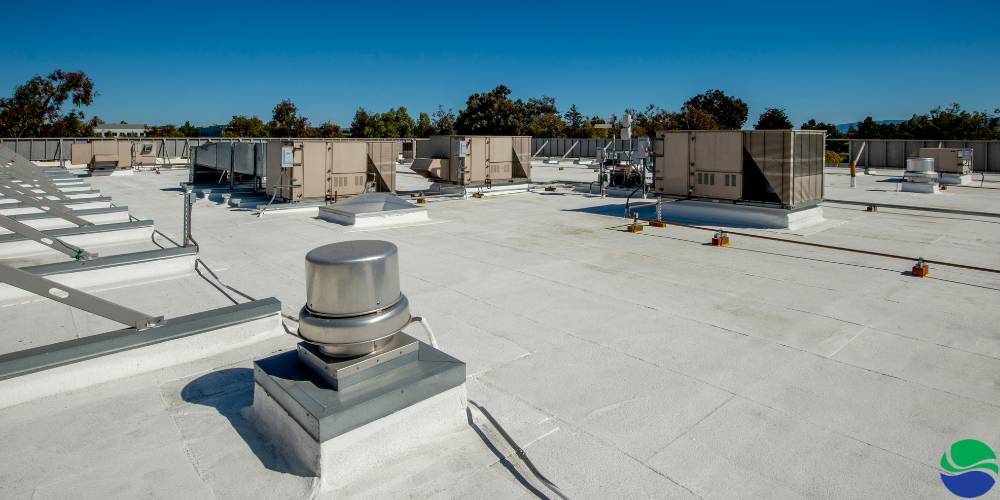
How Preventative Maintenance Protects Tenant Retention
Office building HVAC maintenance is not just about equipment. It directly affects tenant satisfaction, lease renewals, and your reputation as a property manager. Comfortable, reliable spaces are easier to lease and easier to retain.
- Fewer service interruptions during business hours
- More stable temperatures across leased spaces
- Better control of operating expenses and repair budgets
- Reduced risk of after-hours emergency calls
- Stronger documentation for ownership and asset management
When tenants trust that the building systems are being managed well, complaints go down and confidence goes up. If your property needs a dependable long-term service partner, Choice Mechanical Services works with commercial buildings throughout Indianapolis and Central Indiana to keep systems reliable and tenant-ready.
Frequently Asked Questions
How often should office building HVAC systems be serviced?
Most multi-tenant office properties benefit from monthly filter and basic operational checks, quarterly inspections, and seasonal tune-ups before heating and cooling demand peaks.
What causes repeated hot and cold complaints in office buildings?
Common causes include dirty filters, airflow restrictions, poor balancing, outdated schedules, thermostat overrides, and sensors that are out of calibration.
Should thermostats in tenant suites be checked during maintenance visits?
Yes. Thermostat calibration and schedule review should be part of a regular office building HVAC maintenance checklist, especially in buildings with multiple tenants and different operating hours.
Does preventative maintenance really lower costs for office buildings?
Yes. Routine service helps reduce emergency repairs, supports better efficiency, and extends equipment life. It also lowers the hidden cost of tenant discomfort and avoidable complaints.
Conclusion: A Better Maintenance Plan Creates a Better Office Experience
A solid office building HVAC maintenance checklist helps property managers stay organized, reduce surprises, and keep tenants comfortable through every season. For multi-tenant buildings in Indianapolis and Central Indiana, that kind of consistency matters.
Let Choice Mechanical help you build a proactive maintenance plan for your office property with scheduled service, better visibility into system health, and dependable support when issues come up.
Contact us today to talk through your building, your current maintenance approach, and the best next steps for keeping your office HVAC systems on track.