How Poor Air Balancing Creates Hot and Cold Spots in Commercial Buildings
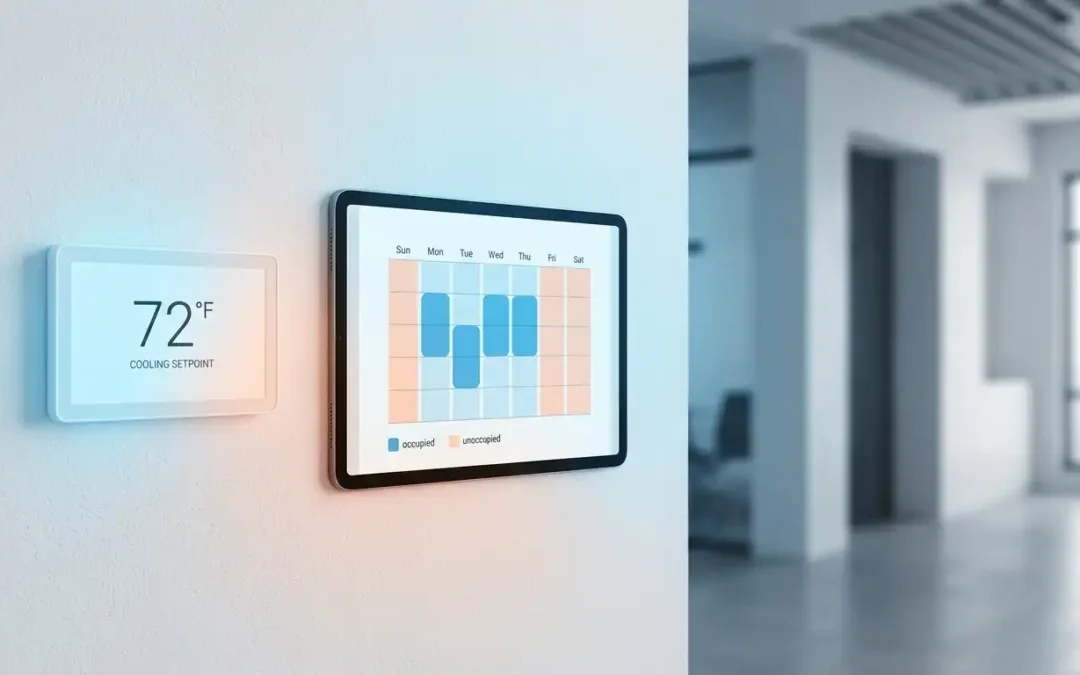
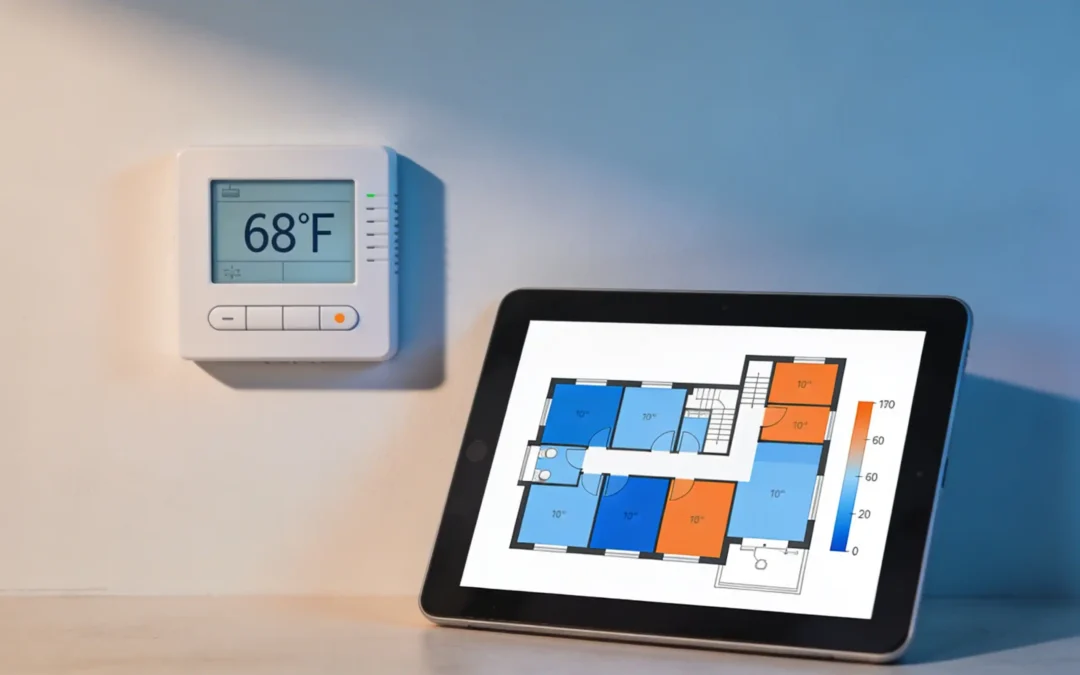
Hot conference rooms, cold offices, and drafty corners are more than comfort issues. In large commercial buildings, uneven temperatures are usually a sign that the HVAC system is not balanced correctly. When air distribution is out of tune, equipment runs longer, energy bills climb, and people get frustrated.
For facility managers in Indianapolis and across Central Indiana, solving hot and cold spots starts with proper air balancing and regular HVAC service, not just more thermostat changes.
Seeing uneven temperatures in your building? Choice Mechanical Services provides commercial HVAC-R service and system evaluations to help restore consistent comfort across your facility.
What Is Air Balancing in a Commercial HVAC System?
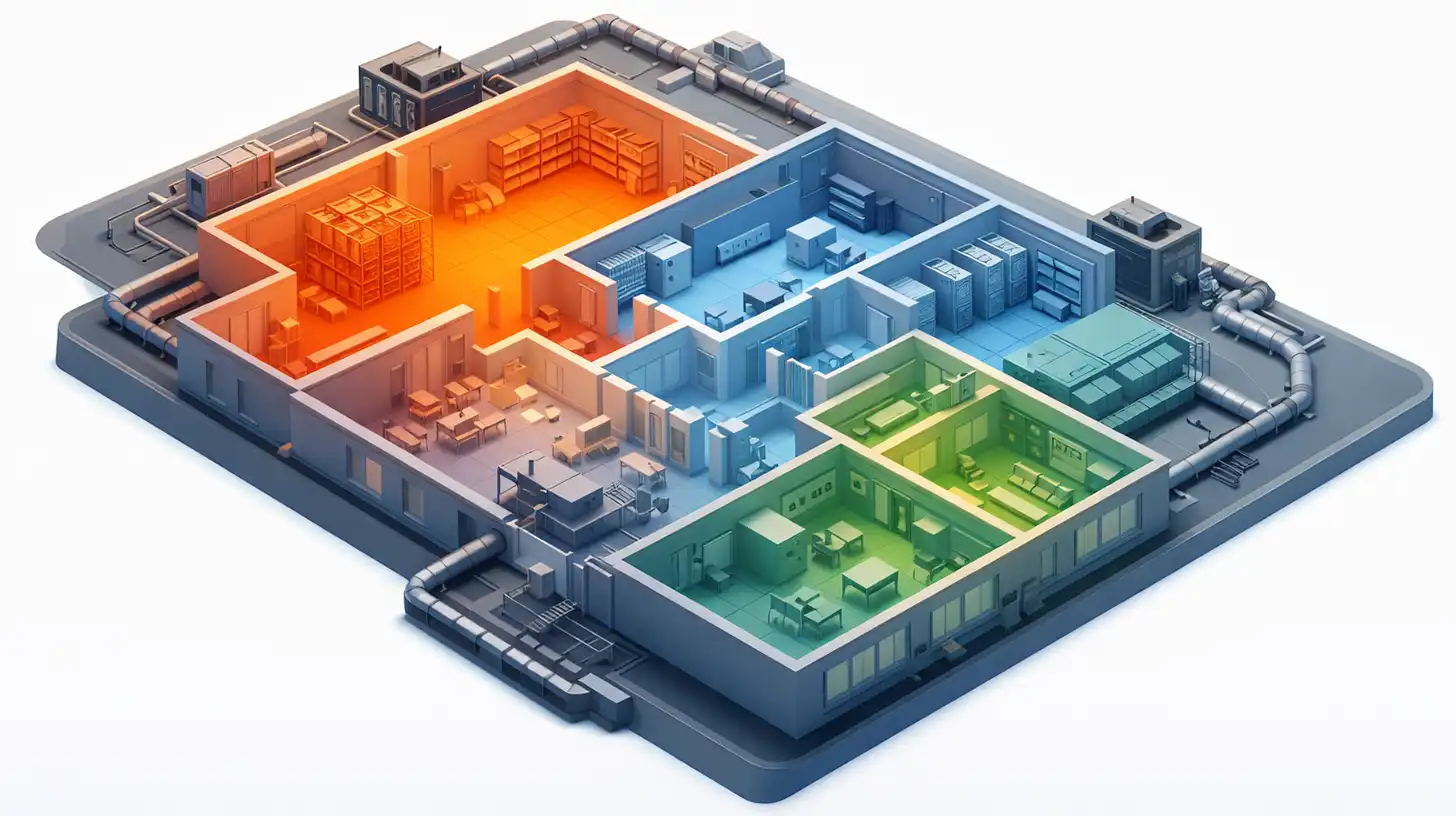
Air balancing is the process of adjusting airflow so that each zone in a building receives the right amount of conditioned air. When a system is balanced, supply and return air move the way the design intended. When it is not, some areas get too much airflow while others get very little.
- Supply registers deliver the correct volume of air to each zone
- Return air paths are clear so air can make its way back to the equipment
- Dampers, diffusers, and controls are set to match the space load
- Pressures between areas stay within an acceptable range
A balanced system feels steady and predictable. People are not constantly adjusting thermostats or using space heaters to compensate.
Need a fresh look at how your system is set up? Contact our team to schedule a commercial HVAC assessment and talk through air balancing options for your building.
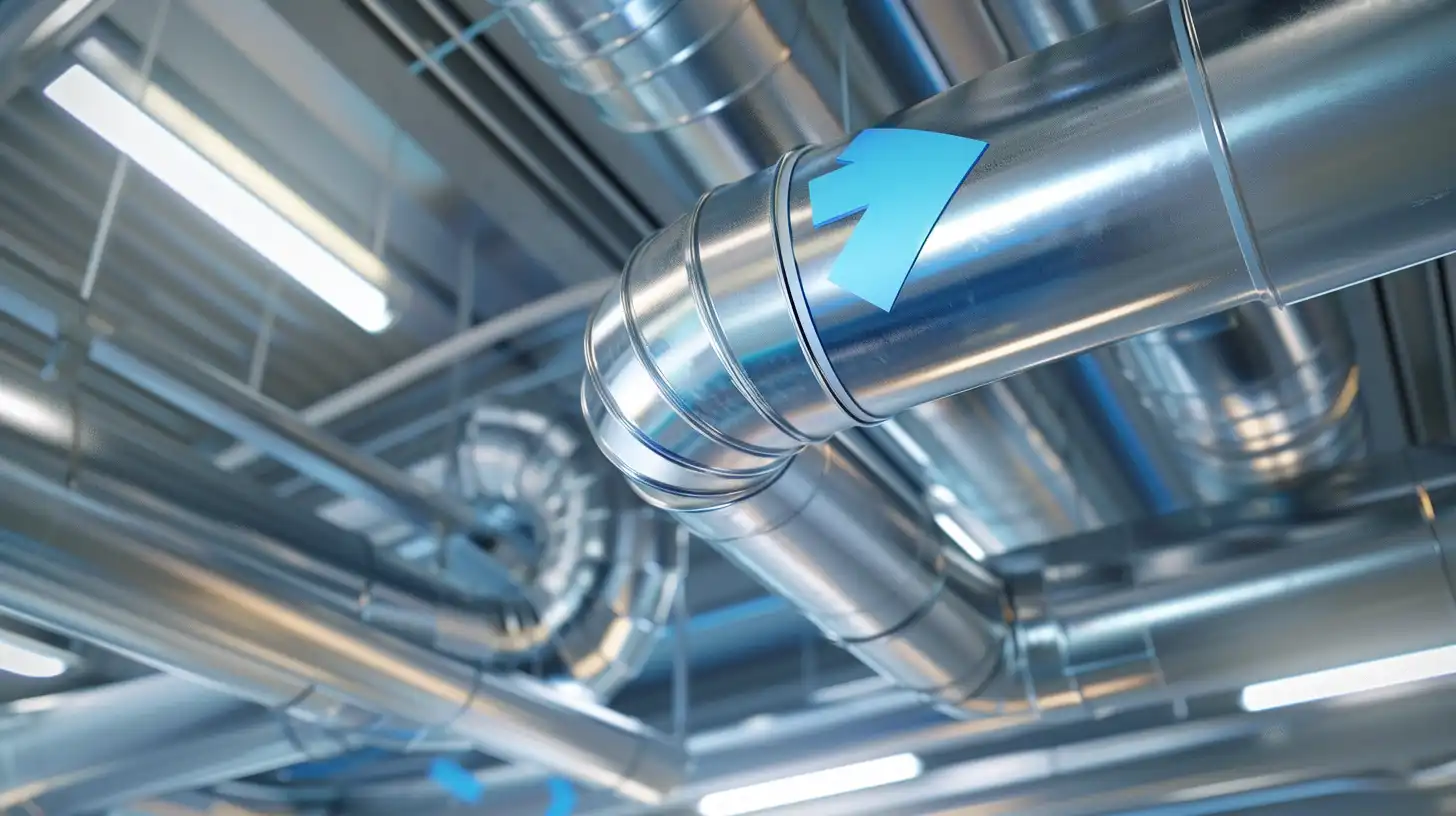
Common Signs Your Building Has Air Balancing Problems
Most facilities show the same set of clues when air distribution is off. These issues often show up long before there is a full equipment failure.
- Hot and cold spots in offices, meeting rooms, corridors, or open work areas
- Comfort complaints from the same zones over and over
- Drafts near certain diffusers while other areas feel stagnant
- Thermostats set far outside normal ranges in an attempt to compensate
- Spaces that are always uncomfortable at certain times of day
If you see these patterns, it is a strong hint that your system needs more than filter changes. Airflow needs to be measured and adjusted, not just guessed at.
Already fielding repeat comfort complaints? Our article on HVAC upgrades that deliver fast ROI for Indiana businesses covers zoning and control changes that often pair well with a balancing project.
How Poor Air Balancing Wastes Energy
Uneven airflow does not just bother occupants. It also forces your HVAC equipment to work harder than it should. When some areas do not reach setpoint, people lower or raise thermostats, and the system runs longer trying to catch up.
- Units run at full output to satisfy one problem zone while others are already comfortable
- Fans move more air than needed in some ducts while other branches are starved
- Equipment cycles too often, which adds wear and shortens component life
- Building operators try to mask issues with longer run times instead of fixing airflow
The result is higher utility bills, shorter equipment life, and greater risk of breakdowns during extreme weather.
Want to tackle energy waste directly? Learn how controls, zoning, and maintenance work together in our guide on reducing utility costs with a smart commercial HVAC control strategy, then ask about pairing those changes with air balancing.
Why Large Offices, Warehouses, and Mixed Use Buildings Struggle Most
Complex buildings in Central Indiana often combine offices, warehouse areas, labs, or light manufacturing under one roof. Each of these spaces has different loads and different airflow needs. If the original design was not followed closely, or if the building has changed over time, air balancing issues are almost guaranteed.
- Office zones may be tied to the same unit as storage or warehouse space
- New walls, doors, or tenant build outs can disrupt the original airflow paths
- High ceilings and racking in warehouses make stratification and poor mixing more likely
- Changes in occupancy or equipment loads can outgrow the original design
These problems rarely fix themselves. They usually get worse as the building ages and more small changes are made without revisiting the mechanical system.
Operate a warehouse or distribution center? See our article on controlling temperature fluctuations in large warehouses for strategies that combine balancing, destratification fans, and controls.
How Professional Air Balancing Works
True air balancing is more than closing a few diffusers. It is a measured process that uses instruments to confirm that each zone is getting the airflow it needs.
- Technicians measure airflow at key diffusers, grilles, and equipment
- Dampers and diffusers are adjusted to match design or revised airflow targets
- Supply and return flows are checked to maintain proper building pressure
- Controls and thermostats are verified so they match the new balance
In some cases, balancing also reveals deeper issues such as duct restrictions, failing fans, or problems with rooftop units, boilers, or chillers that need repair.
Ready to bring your system back in line? Our HVAC-R service team can combine balancing with system diagnostics so you get both comfort improvements and a clearer picture of equipment health.
The Role of Maintenance in Preventing Future Imbalances
Even a well balanced system can drift over time if it is not maintained. Dirty filters, stuck dampers, and fan issues all change how air moves through the building.
- Clogged filters reduce airflow and can starve distant zones
- Loose belts and failing motors reduce fan performance
- Dirt on coils and internal components changes system capacity
- Unserviced controls drift away from original setpoints
Regular maintenance helps keep your balance work intact. It also reduces the chance of an HVAC emergency that disrupts operations.
Want a structured plan instead of one off visits? Explore our commercial Maintenance Agreements and see how consistent service supports comfort, energy savings, and system life.
Frequently Asked Questions
How do I know if my building needs air balancing?
If you have recurring hot and cold spots, frequent thermostat changes, or regular comfort complaints from the same areas, your building is a strong candidate for a balancing review. Rising energy bills can be another clue, especially if your usage pattern has not changed.
Is air balancing a one time project?
Most facilities see air balancing as a project, but the results need to be supported by ongoing maintenance. When filters, coils, and fans are kept in good condition and controls are checked regularly, the building stays closer to its balanced state.
Will balancing require major ductwork changes?
Not always. Many problems can be solved with damper adjustments, diffuser changes, and control tweaks. In some cases, our mechanical and piping team may recommend limited ductwork modifications where the design or existing layout is clearly restricting airflow.
Does air balancing help with code or OSHA concerns?
Balanced airflow supports consistent temperatures and better indoor air quality, which can be important in facilities where worker comfort and safety are closely watched. For more on the safety side of HVAC performance, see our article on how HVAC failure can jeopardize OSHA compliance.
Get Ahead of Hot and Cold Complaints in Your Facility
Hot and cold spots are not just part of life in a large building. They are a signal that your HVAC system needs attention. With the right air balancing work and a solid maintenance plan, you can bring temperatures back under control, reduce energy waste, and give occupants a more consistent environment.
Choice Mechanical Services works with commercial facilities across Indianapolis and Central Indiana to diagnose airflow issues, perform air balancing, and support equipment through long term service plans.
Reach out today to schedule a walkthrough and find out what it will take to eliminate hot and cold spots in your building.