Why Temperature Zoning Matters in Large Commercial Buildings
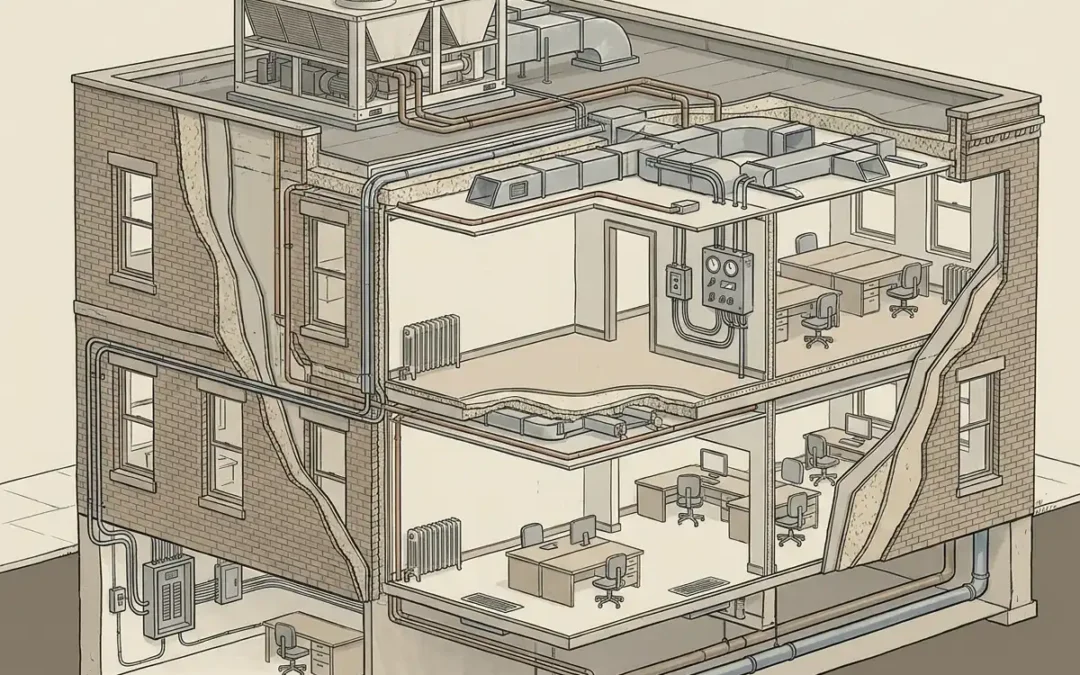
Keeping every corner of a large commercial building comfortable is difficult when the entire facility is controlled like one big room. Office suites, perimeter zones, warehouse aisles, loading docks, conference rooms, storage areas, and equipment rooms all behave differently. They take on heat differently, lose heat differently, and are occupied at different times. When one thermostat or one broad control strategy is forced to manage all of it, the result is usually the same: comfort complaints, wasted energy, and HVAC equipment that works harder than it should.
That is why commercial HVAC zoning matters. By dividing a building into separate areas with independent temperature control, you gain more precision, lower energy waste, better occupant comfort, and a much more flexible HVAC system.
Looking to upgrade your commercial HVAC zoning system in Indiana? Explore our commercial HVAC-R services designed to support large facilities across Indianapolis and Central Indiana.

What Is Commercial HVAC Zoning?
Temperature zoning divides a building into distinct areas with independent temperature control. Each zone has its own thermostat or sensor and its own way of modulating heating or cooling delivery. That may happen through VAV boxes, zone dampers, or dedicated equipment depending on how the system is built.
- A zone might be a single office, a perimeter bay, a conference room, a storage aisle, or an entire dock area
- Each zone can respond to its own load instead of being forced into a building-wide compromise
- Heating and cooling can be delivered where needed most without conditioning every area the same way
Without zoning, you are forced to pick one temperature and hope the rest of the building can live with it. In larger buildings, that usually means some areas are uncomfortable while other areas are being over-conditioned.
1. Thermal Loads Are Not Equal Across a Large Building
One of the biggest reasons zoning matters is simple: different parts of the building do not need the same thing at the same time. A sunny perimeter office may need cooling while an interior space still needs heat. A west-facing warehouse wall may absorb heavy afternoon solar gain while storage on the north side stays much cooler. A packed meeting room may create a local heat load that nearby empty offices never experience.
- Sun exposure changes dramatically by side of the building and time of day
- Occupancy density creates local hot spots in conference rooms, breakrooms, and training areas
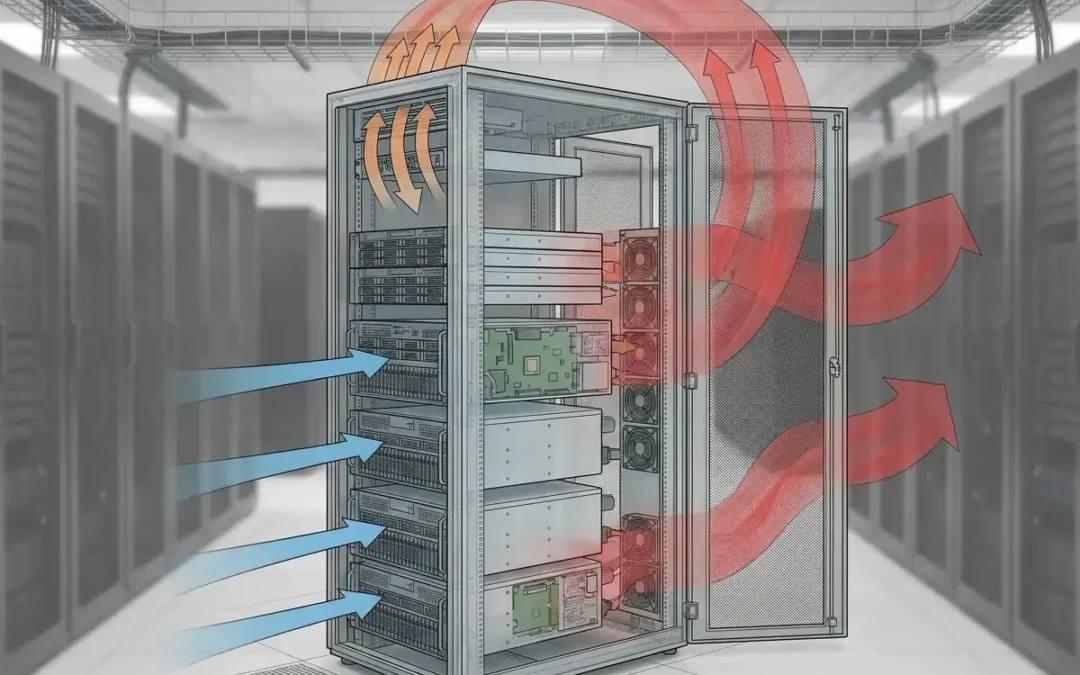
- Equipment loads from server rooms, copy rooms, charging stations, or packaging equipment change the needs of nearby zones
- Perimeter spaces and interior spaces often behave completely differently in the same hour
When one setpoint is trying to handle all of those conditions, the building ends up overcooling some areas and overheating others. That is where both comfort problems and energy waste start.
2. Zoning Stops You From Conditioning Empty Space
Large buildings are rarely occupied evenly. Some office areas empty out after 5 PM. Meeting rooms may sit unused most of the day. Warehouse storage aisles may have little traffic compared to active pick and pack zones. Without zoning, the HVAC system often conditions all of that space as if it were fully occupied the entire time.
- Empty offices continue receiving full conditioning after business hours
- Storage and low-traffic areas may be heated or cooled far more than necessary
- Weekend and night schedules often waste energy when zones cannot be controlled independently
- Zone-level setbacks allow unused spaces to drift while occupied areas stay comfortable
This is one of the most direct ways zoning reduces utility costs. Instead of applying one building-wide schedule, you can let each zone respond to how that space is actually used.
That also ties directly into smarter controls. You may also want to read How to Reduce Utility Costs with a Smart Commercial HVAC Control Strategy.
3. Better Comfort Improves Productivity, Retention, and Safety
Temperature complaints are not just annoying. In large commercial buildings, they become an operating problem. Office staff lose focus when they are too hot or too cold. Tenants get frustrated when they cannot control their own spaces. Warehouse workers deal with more fatigue and more handling errors when working conditions are uncomfortable.
- Office productivity drops when indoor temperatures are consistently uncomfortable
- Tenant satisfaction improves when occupied areas have more direct control
- Warehouse work zones benefit from targeted floor-level comfort instead of trying to condition the entire air volume the same way
- Large buildings with different use areas need different comfort strategies to support the people inside them
In multi-tenant office buildings, temperature is often one of the most common complaints. In warehouses, poor comfort can affect both safety and pace of work. Zoning helps reduce those problems because it matches control to the actual space instead of forcing one answer onto the entire building.
4. Zoning Helps Eliminate Simultaneous Heating and Cooling
One of the most expensive HVAC problems in large buildings happens when the system is cooling one area while reheating or overheating another. Without proper zoning, this becomes much more likely. A hot sunny conference room drives the system toward cooling while shaded or interior areas get too cold and start asking for heat.
- Single-zone control often forces one part of the building to suffer for another part to stay comfortable
- Poor zoning can increase unnecessary reheat and over-conditioning
- Zone-level control helps match real demand instead of overcorrecting across the whole building
- Better zoning works even better when paired with supply-air reset and smart control logic
This is one reason zoning matters so much in office buildings with VAV systems and perimeter exposure. It gives each area a better chance to operate based on its own conditions instead of being dragged around by another zone’s load.
5. It Helps Protect HVAC Equipment From Unnecessary Wear
When a system is constantly fighting load imbalances, equipment pays the price. Compressors run longer. Fans push against conditions they were never meant to handle continuously. Dampers, actuators, and reheat systems work harder than they need to. Over time, that shortens equipment life and increases repair risk.
- More stable zone demand reduces excessive runtime and cycling
- Fans do not have to work as hard to compensate for building-wide imbalance
- Compressors and heating components spend less time chasing uncomfortable zones
- Lower operating stress usually means longer intervals between major repairs
Zoning does not eliminate maintenance needs, but it does help the equipment operate more intelligently. That supports both equipment life and long-term operating cost control.
This also connects directly to the bigger maintenance picture. Read The Hidden Cost of Skipping Maintenance on Commercial HVAC Systems if you want to see how quickly building imbalance turns into real repair money.
6. Zoning Unlocks More Value From Smart Controls
All the smart control strategies facility managers want to use become more effective when they can be applied at the zone level. Scheduling, demand control, occupancy setbacks, economizer logic, and temperature reset strategies all work better when the system can respond to real conditions in specific parts of the building.
- Demand-control ventilation can respond to the actual occupancy of a meeting room instead of the whole floor
- Night setback strategies can protect only the zones that need conditioning while letting the rest drift
- Economizer and purge strategies can be applied more intelligently when zones behave differently
- Warehouse destratification can target the occupied work areas instead of wasting energy in unused volume
This is where zoning stops being just a comfort upgrade and becomes a real efficiency tool. It makes the rest of your control strategy more precise and more effective.
Ask us about custom maintenance plans that support zoning and smart controls.
7. Zoning Makes Warehouses More Practical to Control
Warehouses are one of the clearest examples of why zoning matters. Loading docks, shipping offices, bulk storage, pick modules, battery charging rooms, and break areas do not behave the same way. Trying to run all of that on one control strategy is a recipe for wasted energy and repeated complaints.
- Dock areas often need a very different response than storage areas
- Shipping offices and conditioned admin spaces should not be tied to high-bay floor conditions
- Battery charging and process areas may need their own temperature and ventilation strategy
- Fabric duct systems, separate unit heaters, radiant tubes, or ductless equipment can all help create practical zones within larger footprints
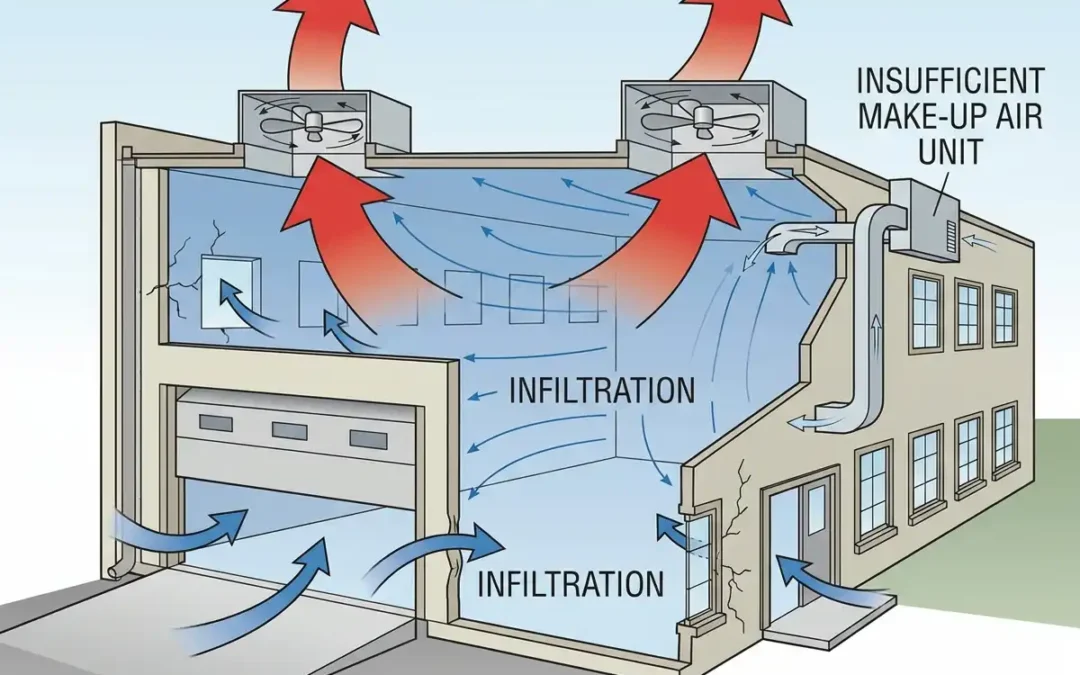
In large warehouses, zoning also works best when it is paired with airflow strategy. If your warehouse is also dealing with stratification or uneven delivery, read How to Control Temperature Fluctuations in Large Warehouses.
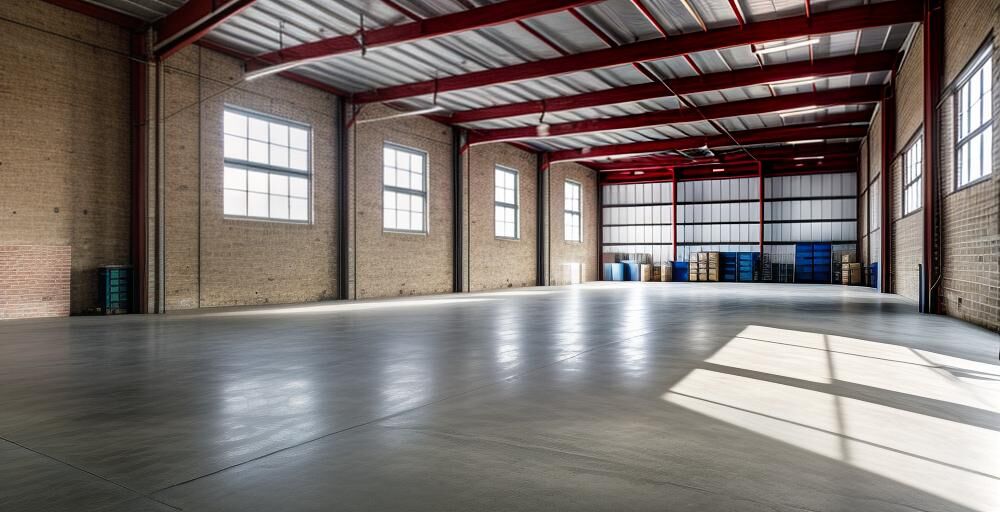
8. Zoning Gives Buildings More Flexibility Over Time
Buildings change. Tenants move. Departments shift. Warehouses get reconfigured. Office suites are renovated. One of the biggest long-term advantages of zoning is that it gives the HVAC system more flexibility as the building evolves.
- Zone-level control is easier to adapt than one monolithic building-wide strategy
- Tenant reconfiguration is easier to support when temperature control is already segmented
- Warehouse use changes can often be addressed with smaller zone adjustments instead of full system redesign
- Zoning helps future-proof the building against new occupancy and load patterns
That flexibility matters because large commercial buildings rarely stay static. A better-zoned building is easier to manage now and easier to adapt later.
9. Zoning Only Works Well When It Is Maintained Properly
A zoned HVAC system is only as good as the controls, dampers, sensors, and airflow behind it. If thermostats are out of calibration, dampers stick, or airflow is unbalanced, the zoning strategy starts losing value quickly.
- Zone thermostats should be checked and calibrated regularly
- Dampers and actuators need to be inspected for correct movement and response
- Airflow should be balanced so each zone gets what the controls are asking for
- Dirty sensors, ducts, or VAV components can undermine even a well-designed zoning layout
That is one reason zoning should always be paired with a real maintenance plan. The control strategy only saves money when the underlying hardware is still doing its job.
Choice Mechanical Services delivers expert zoning maintenance and HVAC support for businesses throughout Indiana.
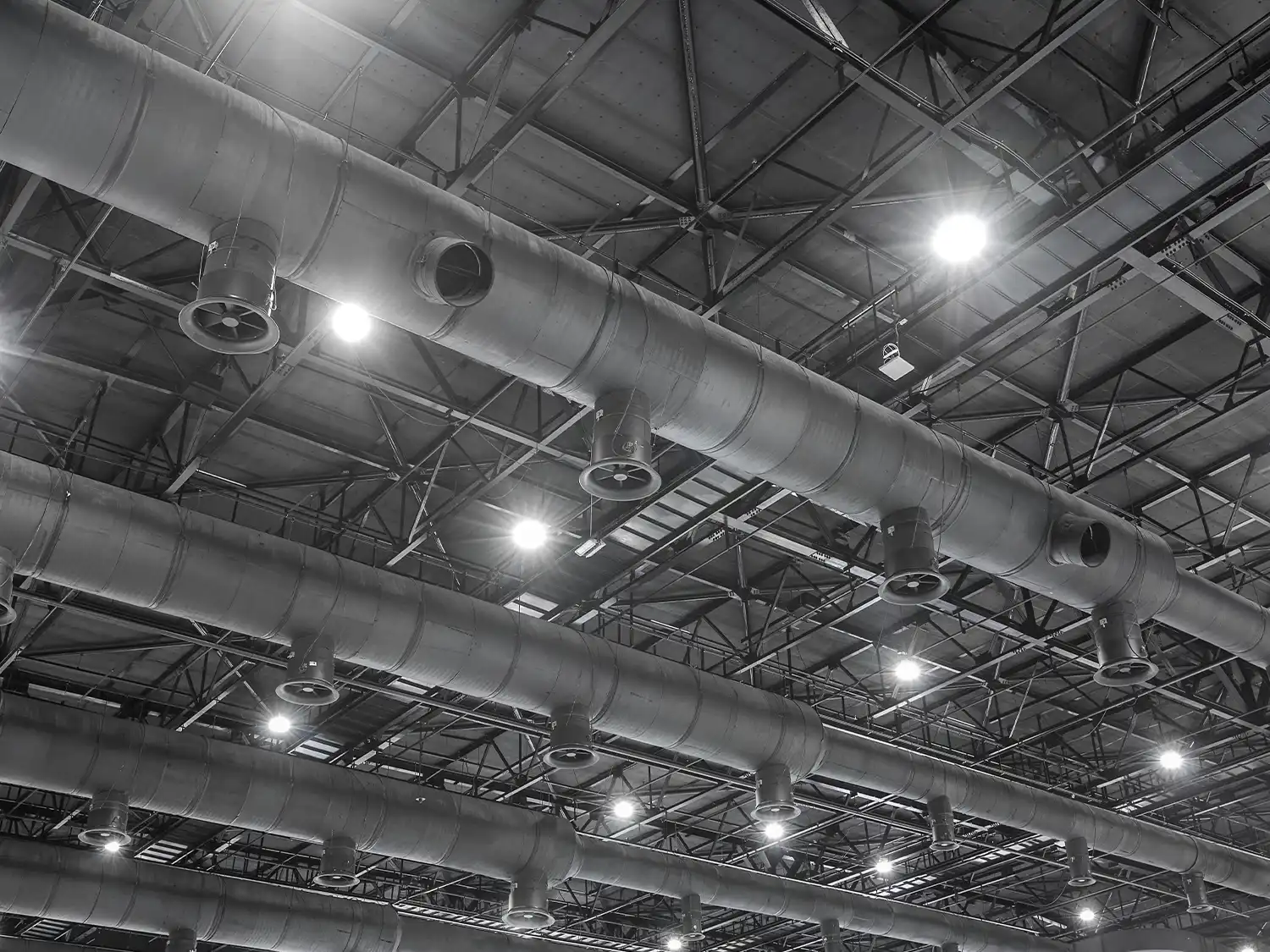
Take Control of Your Facility with Smarter Commercial HVAC Zoning
Commercial HVAC zoning matters because it turns your HVAC system from a blunt instrument into a more precise tool. It helps control energy waste, reduce comfort complaints, protect equipment, and give large facilities a more practical way to manage different spaces under one roof.
Whether you operate a warehouse, medical facility, office park, or mixed-use commercial building in Indiana, zoning can improve building performance in a way occupants notice and budgets appreciate.
Visit our homepage to learn more about our full range of commercial HVAC-R services, or contact us to schedule a zoning assessment for your facility.
Already using zoning? Protect your investment with a maintenance plan built for your building.
Frequently Asked Questions
Is HVAC zoning only for new construction?
No. Many existing buildings can be retrofitted with zoning controls, dampers, and smart thermostats. In many cases, it is a practical upgrade for improving comfort and reducing wasted energy.
How many zones should a commercial building have?
That depends on building size, layout, use, exposure, and occupancy pattern. Good zones group together areas with similar load profiles instead of forcing unlike spaces to share one control point.
Can zoning reduce HVAC repair costs?
Yes. By reducing unnecessary runtime, lowering building-wide imbalance, and helping equipment operate more efficiently, zoning can reduce wear and lower the chance of certain comfort-driven service issues.
Does Choice Mechanical design zoning systems?
Yes. We work with property managers, facility directors, and contractors to design, install, and maintain zoning systems tailored to a building’s layout and real-world use.