Restaurant HVAC Maintenance Checklist
Running a restaurant in Indianapolis or Central Indiana means managing tight margins, strict health standards, hot kitchen conditions, and constant pressure to keep guests comfortable. When restaurant HVAC maintenance slips, the damage spreads quickly. Dining rooms get uncomfortable, kitchens become harder to work in, walk-ins get stressed, grease and moisture build up, and small issues can turn into emergency breakdowns during the busiest part of service.
A strong restaurant HVAC maintenance checklist helps restaurant owners and managers stay ahead of those problems. The goal is not just to keep the air conditioner running. It is to protect food quality, kitchen safety, guest experience, energy efficiency, and uptime across the whole operation.
Looking to simplify your restaurant’s maintenance routine? Explore Choice Mechanical’s HVAC Maintenance Agreements built specifically for commercial kitchens and dining facilities.
1. Daily Restaurant HVAC and Ventilation Checks
In restaurants, daily HVAC awareness matters more than it does in most other commercial buildings. Kitchen exhaust, make-up air, dining room comfort, and walk-in performance all affect the business in real time. A short daily walkthrough can catch early warning signs before they become a service call in the middle of dinner rush.
- Confirm kitchen exhaust fans are running properly and listen for unusual noise or vibration
- Make sure the make-up air unit is operating with the hood system
- Check for slight inward airflow at exterior kitchen doors to confirm proper negative pressure
- Walk the dining room and confirm temperatures feel comfortable for guests
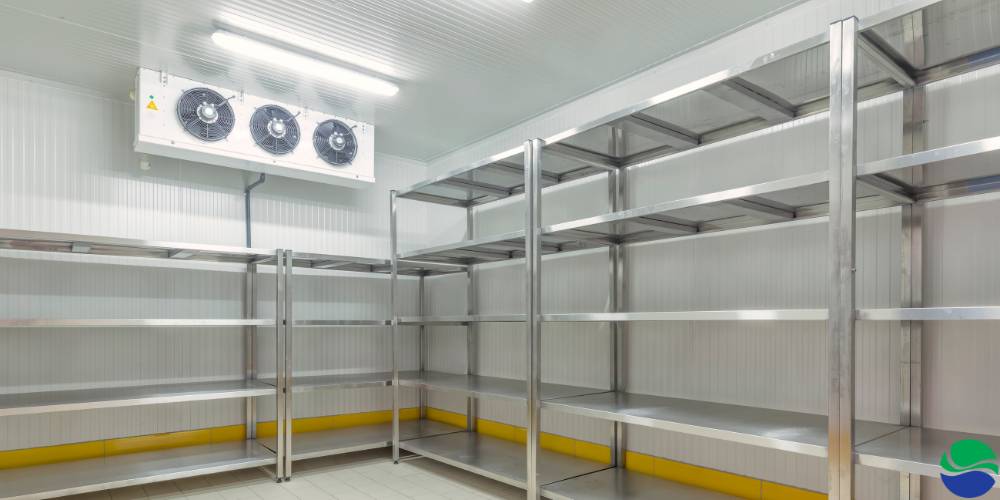
- Check walk-in cooler and freezer temperatures and note any drift or abnormal sounds
- Look for blocked diffusers, noisy returns, ice buildup, or failing door gaskets
These checks do not take long, but they help you catch the issues that often cause the biggest problems later. If something already feels off, you should not wait until the next scheduled visit. Contact our team if your restaurant is showing signs of airflow, cooling, or ventilation trouble.
2. Weekly Airflow, Filter, Drain, and Grease Checks
Weekly maintenance is where restaurants start separating normal wear from developing problems. Kitchens generate grease, moisture, and particulates at a rate most office buildings never experience. That means restaurants often need more attention to filters, drains, and airflow than a standard commercial building.
- Inspect HVAC and make-up air filters for dirt, grease, or airflow restriction
- Check hood grease filters and note whether they need degreasing or replacement
- Vacuum or wipe accessible return grilles and supply diffusers
- Inspect condensate pans and drain lines for standing water, algae, or blockage
- Clear debris from around outdoor condensers and rooftop units if accessible
- Verify the area around outdoor equipment stays clear of trash, leaves, and storage
Grease and moisture are some of the biggest reasons restaurant HVAC systems lose efficiency and become harder to control. Weekly attention helps prevent small restrictions from turning into drain backups, airflow problems, or compressor strain.
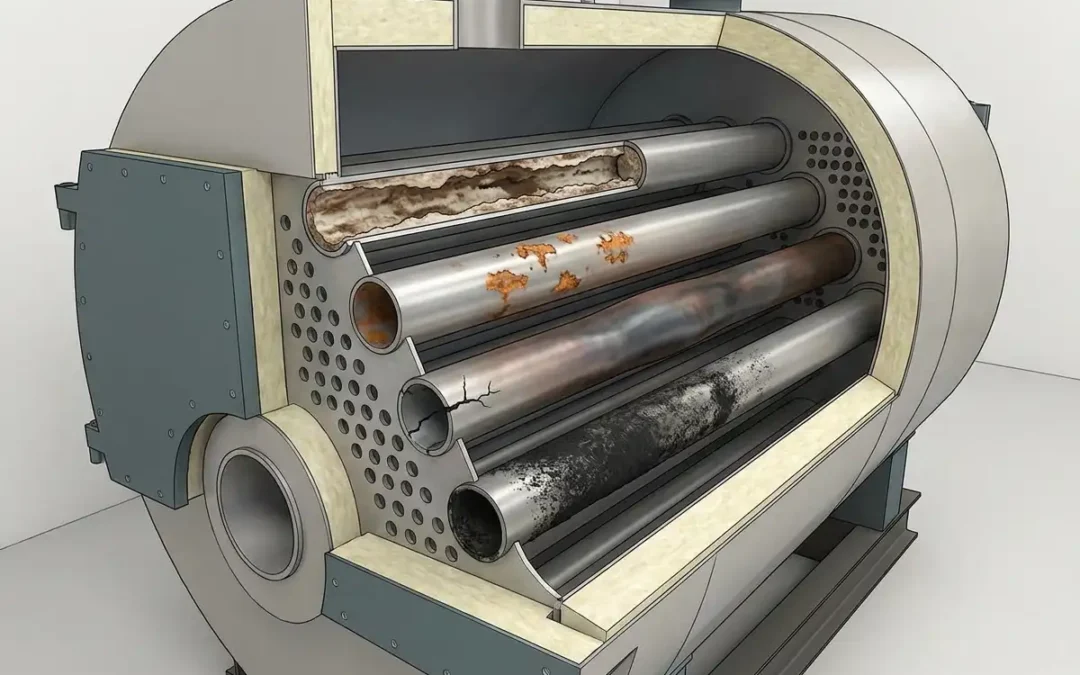
See what happens when restaurant HVAC issues are allowed to build, then let’s put a more reliable maintenance routine in place.
3. Monthly Mechanical and Refrigeration Checks
Monthly inspections should go beyond a quick glance. This is the right time to check the moving parts and refrigeration-related components that quietly wear down under restaurant conditions.
- Inspect fan belts for cracks, fraying, glazing, and proper tension
- Listen for bearing noise and check motors for unusual vibration
- Inspect condenser and evaporator coils for dirt or grease buildup
- Check refrigeration components for signs of short cycling, icing, or drainage issues
- Test thermostats and compare displayed temperatures to actual room conditions
- Review economizer and outdoor air damper operation if installed
Monthly checks are especially important for restaurants because so many systems overlap. A ventilation issue can affect kitchen conditions. A cooling issue can stress refrigeration equipment. A controls issue can quietly waste energy while the building still feels “mostly fine.”
4. Quarterly HVAC Maintenance Tasks for Restaurants
Quarterly service should be more detailed and performance-focused. This is when you want to look at the items that directly affect efficiency, reliability, and inspection readiness heading into the next stretch of operation.
- Clean condenser and evaporator coils thoroughly
- Inspect wiring, contactors, relays, and electrical connections
- Check refrigerant lines and operating conditions for signs of loss or restriction
- Inspect ductwork, flexible connectors, and insulation for damage or moisture issues
- Review exhaust and make-up air balance so the kitchen and dining areas are behaving correctly
- Check for grease accumulation in access points and coordinate deeper cleaning when needed
This is also a good time to look at how the restaurant is actually functioning. If exterior doors are harder to open, odors are hanging in the dining room, or the kitchen feels like it never cools down, pressure balance and ventilation likely need attention.
5. Semiannual and Seasonal Restaurant HVAC Service
Before heating season and before cooling season, restaurants should schedule a more complete professional service visit. This is where licensed commercial HVAC service helps protect your operation from seasonal surprises.
- Verify refrigerant charge and inspect for leaks
- Tighten electrical connections and inspect components under load
- Test combustion and heat exchanger integrity on gas-fired equipment where applicable
- Check safety controls, limits, and shutdown devices
- Calibrate sensors, thermostats, and control sequences
- Inspect belts and replace worn components before they fail in service
For restaurants, this seasonal step matters because peak summer and winter service periods leave very little room for failure. If a rooftop unit, make-up air unit, or kitchen support system struggles during mild weather, it is likely to break down when outdoor conditions become extreme.
Here’s what deferred maintenance can really cost a commercial operation. The smarter move is to service the system before the stress arrives.
6. Restaurant-Specific Ventilation and Pressure Balance Considerations
Restaurants need more than cooling and heating. They need the right relationship between exhaust, make-up air, kitchen pressure, and dining room comfort. When that balance is off, you start seeing operational issues fast.
- Grease and moisture infiltration: Airborne grease can coat filters, coils, and nearby HVAC components much faster than in other commercial spaces
- Kitchen negative pressure: The kitchen should generally pull slightly inward, not blow air outward into guest areas
- Dining room comfort: Dining spaces should stay comfortable without smelling like the line or feeling drafty from overcompensation
- Walk-in support: Hot kitchen conditions can make refrigeration equipment work harder and shorten its life
This is one reason restaurant HVAC should never be treated like standard office HVAC. The environment is harsher, the risk is higher, and the system interactions are more complex.
7. Hood, Exhaust, and Documentation Matter Just as Much as Comfort
A complete restaurant HVAC maintenance strategy is not just about cooling. It also includes the ventilation and documentation practices that help keep the restaurant safer and easier to manage over time.
- Schedule regular professional hood, duct, and exhaust fan cleaning
- Keep service records, inspection reports, and maintenance logs organized
- Track part replacements, repairs, and recurring trouble spots
- Review emergency procedures with managers so the team knows what to do when a failure happens
Clean documentation helps protect warranties, supports inspections, and gives owners a clearer picture of where equipment is trending. It also makes future decisions about repairs and replacement much easier.
8. Key Benefits of Preventative HVAC Maintenance for Restaurants
Restaurants do not have much margin for avoidable downtime. A preventative maintenance plan protects more than the equipment. It protects the business around it.
- Improved comfort for guests and staff
- Better ventilation balance in kitchen and dining areas
- Lower energy bills through cleaner, better-tuned equipment
- Fewer emergency breakdowns during peak service
- Longer life for rooftop units, refrigeration support components, and ventilation systems
- Stronger readiness for inspections and operational audits
Proactive service creates consistency, and consistency is a competitive advantage in food service. When emergencies do happen, our team is available 24/7 to help keep your operation moving.
Frequently Asked Questions
How often should a restaurant replace HVAC filters?
At minimum, filters should be checked monthly and often more often in high-volume kitchens. Grease, smoke, and particulates can load filters much faster than in a standard office environment.
Can HVAC issues affect food safety?
Yes. Poor airflow, excess heat, humidity buildup, and refrigeration strain can all affect food quality, storage conditions, and inspection readiness.
What systems are most important to maintain in a restaurant?
Rooftop units, exhaust fans, make-up air units, thermostats, drains, filters, and walk-in support equipment all play a role. The kitchen and dining room have different needs, so both sides of the building have to be considered together.
Does Choice Mechanical specialize in restaurant HVAC service?
Yes. We provide tailored maintenance agreements and emergency HVAC support for restaurants, cafes, and food service businesses across Indianapolis and Central Indiana.
Conclusion: Don’t Let HVAC Issues Hurt Your Bottom Line
Your restaurant HVAC system supports far more than indoor comfort. It affects food safety, guest satisfaction, staff working conditions, energy use, and whether your doors stay open during the busiest times of the week. A more detailed restaurant HVAC maintenance checklist gives you a better shot at avoiding the breakdowns and compliance issues that hurt restaurants the most.
With Choice Mechanical Services, you get expert support, practical service planning, and commercial kitchen experience tailored to the realities of restaurant operations.
Contact us today to get started on a smarter maintenance plan and keep your restaurant running smoothly all year long.