The Cost of Skipping Maintenance on Commercial HVAC Systems
When facility budgets tighten, preventative HVAC maintenance often ends up on the chopping block. On paper, that can look like an easy way to reduce spending. In practice, it usually creates a much more expensive problem. Deferred maintenance raises energy use, increases emergency repair costs, shortens equipment life, and makes downtime more likely at the worst possible time.
For commercial properties across Indianapolis and Central Indiana, maintaining HVAC equipment is not just about comfort. It is about protecting uptime, controlling costs, and avoiding preventable disruptions that hurt operations long after the repair invoice is paid.
Looking for a smarter way to protect your equipment? Explore our commercial HVAC Maintenance Agreements built for long-term reliability and performance.
1. Skipping Maintenance Creates an Energy Tax
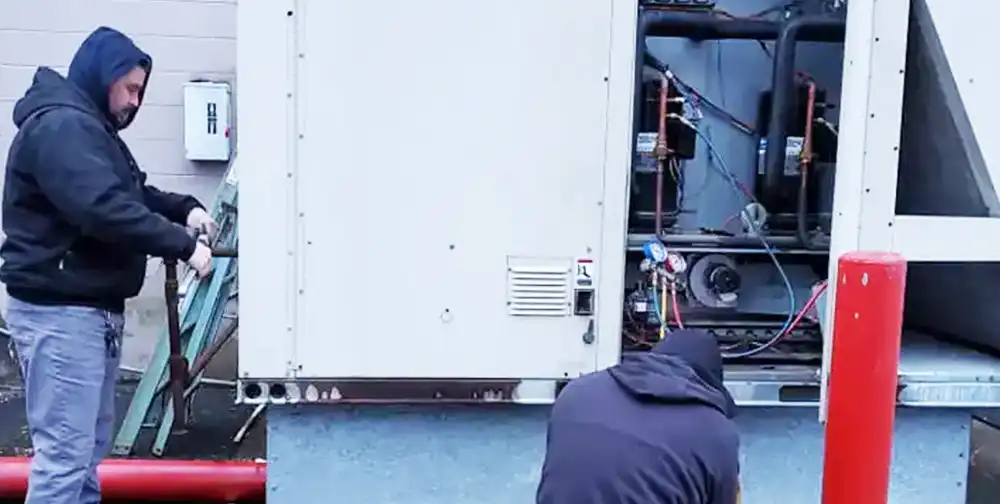
A neglected HVAC system has to work harder to deliver the same result. Dirty condenser coils, fouled heat exchangers, clogged filters, slipping belts, and drifting controls all add friction to the system. That extra strain does not stay hidden for long. It shows up in summer utility bills, longer runtimes, and equipment that never seems to shut off.
- Dirty coils reduce heat transfer and force compressors to run at higher head pressure
- Clogged filters and higher static pressure make fans work harder
- Failed economizers and bad schedules can waste cooling when the building does not need it
- Neglected systems often use 10 to 30 percent more energy than well-maintained ones
That kind of waste adds up fast in a commercial building. Even when comfort seems acceptable, the system may be burning through far more electricity than it should just to hold setpoint.
That is why Indianapolis businesses trust Choice Mechanical to keep commercial systems running efficiently year-round. Want to lower avoidable HVAC energy costs? Let’s build a maintenance plan around your building and your equipment.
2. Reactive Repairs Cost Much More Than Planned Maintenance
When maintenance is skipped, repairs become reactive instead of planned. That changes everything. A repair that could have been handled during a normal visit now shows up after hours, under pressure, with premium labor, rushed parts, and an operations team waiting for answers.
- Emergency labor rates are higher than standard scheduled service
- Parts may need expedited shipping or emergency sourcing
- Technicians often start from scratch instead of working from a documented trend
- One small missed issue can create collateral damage in connected components
This is how a simple maintenance item turns into a much larger repair. A worn belt ignored during a planned visit can become a motor failure on a weekend. A refrigerant issue that should have been corrected in spring can become a summer emergency in a critical space. Over time, reactive maintenance often costs three to five times more than planned service for the same asset.
With a proactive maintenance plan, minor issues are caught early instead of being allowed to turn into urgent problems. Want to avoid surprise breakdowns and premium repair costs? Let’s put a plan in place before the next failure chooses the timing for you.
3. Neglect Shortens Equipment Life and Forces Early Replacement
Commercial HVAC equipment is built with an expected service life in mind, but those timelines assume regular maintenance actually happens. Without it, rooftop units, chillers, boilers, and cooling towers tend to wear out years early. That does not just increase repair costs. It pushes capital replacement forward before ownership planned for it.
- Compressors, motors, and bearings fail sooner under constant strain
- Scale, fouling, and airflow restriction accelerate internal wear
- Repeated overheating and poor cycling erode long-term reliability
- Neglected equipment can lose 30 to 50 percent of its expected service life
This is where deferred maintenance starts damaging the capital plan. Replacing a major asset years early changes the entire budget conversation. What looked like savings in the operating budget often turns into an unplanned capital hit later.
If you are already thinking about replacement timing, this is a good time to review your service history and condition data before the system makes the decision for you. We can help you evaluate your equipment, identify weak assets, and build a smarter replacement strategy.
4. Downtime Often Costs More Than the Repair Itself
The repair invoice is rarely the biggest number tied to an HVAC failure. The larger cost is usually what happens to the business while the system is down. That is especially true in facilities where comfort, temperature control, ventilation, or humidity directly affect operations.
- Office buildings can lose productivity when spaces become too hot or too cold
- Retail and restaurant environments may lose customers, revenue, and inventory
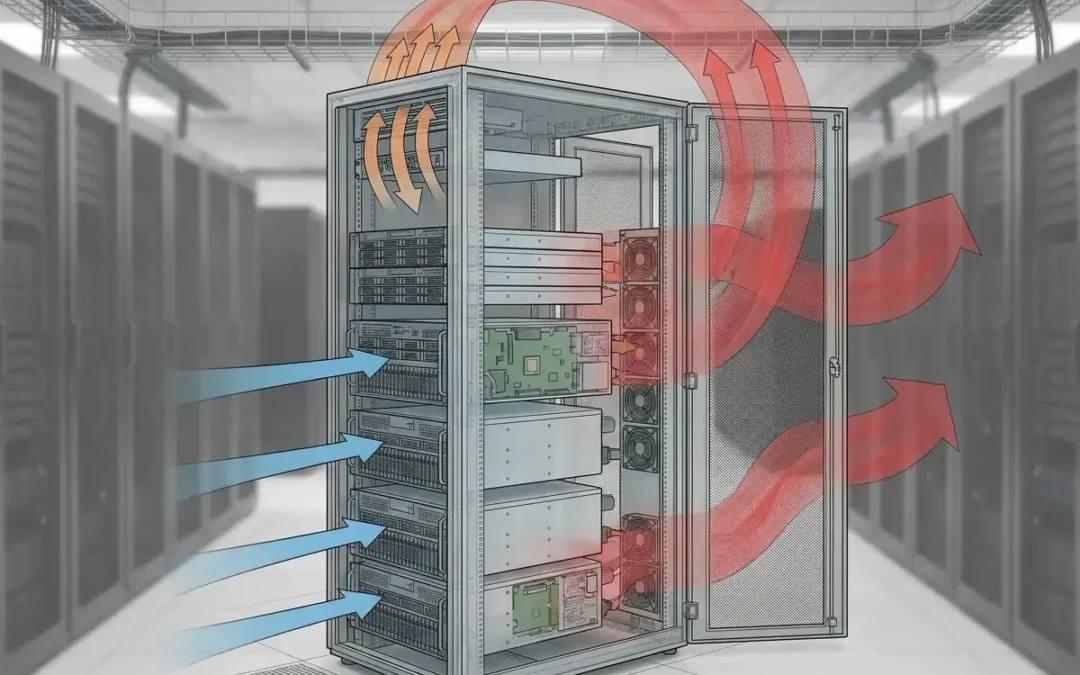
- Data rooms, labs, and process areas may face much higher downstream losses from thermal events
- Multi-tenant buildings may deal with complaints, lease friction, and damaged trust
For many facility managers, this is the real hidden cost of skipped maintenance. The issue is not just that the system broke. It is that the timing disrupted the business, the occupants, or the product inside the building.
That is also why routine maintenance and emergency readiness should be treated as part of the same strategy. If a failure still happens, response speed matters. Let’s create a maintenance approach that reduces both the chance of failure and the business risk when something does go wrong.
5. Maintenance Protects Warranties, Documentation, and Compliance
Many commercial HVAC warranties depend on documented maintenance. If the system fails and the service history is incomplete, the owner may end up paying for repairs or replacement out of pocket. Maintenance also supports the records facility managers need for internal reporting, vendor accountability, and in some settings, regulatory or insurance requirements.
- Warranty claims may be denied if service records are missing or inconsistent
- Refrigerant issues can create compliance risk if leaks are not tracked and corrected properly
- Poor humidity control, drainage issues, and dirty systems can create IAQ and mold exposure problems
- Missing documentation makes it harder to defend decisions and plan future capital work
With Choice Mechanical, service is documented and archived so your team has a clearer record of what was done, what was found, and what may need attention next. That kind of visibility makes budgeting, compliance, and planning much easier than digging through scattered invoices after a failure.
6. Deferred Maintenance Damages Comfort, Reputation, and Tenant Trust
Some of the cost of skipped maintenance never shows up on a repair invoice at all. It shows up in complaints. Hot and cold calls increase. Zones become harder to control. Conference rooms run warm in the afternoon. Staff start overriding thermostats. Tenants lose confidence that the building is being managed well.
- Uneven temperatures create recurring occupant frustration
- Systems with poor maintenance often struggle more during peak heating and cooling season
- Controls drift and schedules stay outdated when no one is reviewing them
- Comfort complaints slowly become a property management issue, not just an HVAC issue
That matters because HVAC performance affects how people experience the building every day. In office, retail, and multi-tenant spaces, reliability and comfort are part of the service you are providing whether you think of it that way or not.
Frequently Asked Questions
How often should a commercial HVAC system be serviced?
Most systems should be serviced at least twice a year, once before cooling season and once before heating season. Facilities with higher demand, critical spaces, or older equipment often benefit from quarterly visits.
What is usually included in a commercial HVAC maintenance plan?
Plans often include filter changes, coil cleaning, belt inspection, refrigerant checks, motor review, electrical diagnostics, condensate drain service, control checks, and full system performance review.
Can maintenance really lower utility bills?
Yes. Systems in good condition use less energy because airflow, heat transfer, and controls all work the way they should. Maintenance also helps catch control errors that can quietly waste energy all season long.
Is maintenance still worth it for a smaller commercial building?
Absolutely. If the HVAC system supports business operations, tenants, staff comfort, or sensitive equipment, routine maintenance helps avoid bigger expenses later regardless of building size.
Maintenance Is Not a Line Item to Cut Lightly
The cost of skipping maintenance does not disappear just because the service was delayed. It usually comes back in a more expensive form: higher utility bills, more reactive repairs, shorter equipment life, more downtime, and harder capital decisions later.
For commercial facilities in Indianapolis and Central Indiana, preventative maintenance is one of the smartest ways to control cost while protecting system performance. At Choice Mechanical Services, we help clients turn HVAC from a source of surprises into a more predictable, better-managed asset.
Explore our Maintenance Agreements or get in touch to build a custom plan that protects your facility, your equipment, and your bottom line.